Colorado immigrant advocate, family responds to birthright citizenship Supreme Court decision

Immigrant families living in Colorado are celebrating in the wake of the United States Supreme Court decision to uphold birthright citizenship for U.S.-born children with undocumented parents.
"It brought me great joy because now we have a bit more relief. We can breathe," said Judith Padilla.
Padilla, who emigrated to the United States from Mexico roughly 20 years ago, is a mother of seven children, three of whom were born after she moved to the United States.
"Colorado is my home. It is my family," she said.
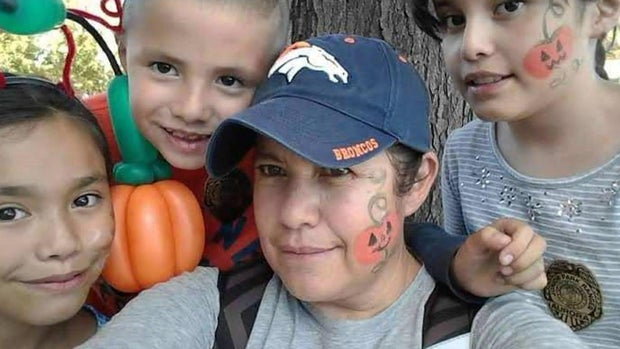
For her family, birthright citizenship was not just a legal status for her children, she says, it also provides them a pathway to a better life.
"When my first daughter was born here in Colorado, she had a medical condition. So, the privilege of her being a U.S. citizen meant having the opportunity to access Medicaid and medical care, and thus avoid emergency situations," said Padilla.
CBS Colorado spoke to Padilla at the Village Exchange Center in Aurora on Tuesday, just a few hours after learning the Supreme Court struck down President Donald Trump's Executive Order to eliminate birthright citizenship, which he signed on the first day of his second term.
The Executive Order would have prevented children who are born in the United States from gaining birthright citizenship in cases where neither parent was a U.S. citizen or a lawful U.S. resident.
"We were all afraid—pregnant women were afraid, but we, the residents, were also afraid, because we didn't know what was going to happen or when they would carry it out," said Padilla.
"It was clearly unconstitutional," said Ian Farrell, a law professor with the University of Denver. "The 14th Amendment is one of the clearer and straightforward parts of the Constitution and has not really seriously been questioned for 130 years."
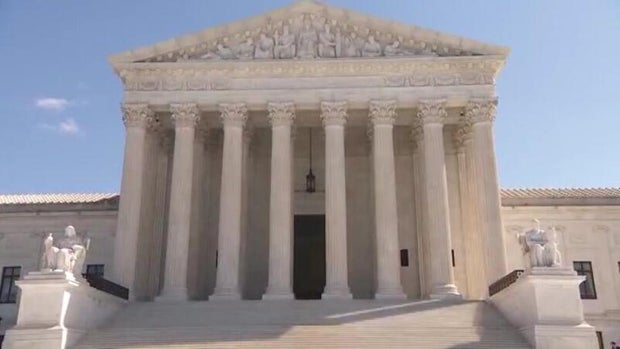
A majority 6-3 ruling on the Supreme Court agreed and upheld birthright citizenship. While Justice Brett Kavanaugh concurred with striking down Trump's executive order, he was in agreement with the three dissenting justices that the Constitution does not inherently guarantee birthright citizenship.
"The fact that four justices of the Supreme Court interpreted the citizenship clause so narrowly and contrary to the text of the Constitution, contrary to precedent, contrary to history, I think, is indicative of the tension that immigration is creating at the moment," said Farrell.
Despite the close decision, Padilla hopes this is a step forward in community acceptance and that encourage more people to better understand the challenges immigrants continue to face.
"We are people who come here to work; we are raising our children and supporting the community through volunteer work," said Padilla. "The only thing I ask is that you have some empathy for us."
Trump responded to the Supreme Court's ruling, calling the decision "Too bad for our country," and wants Congress to start the process of ending birthright citizenship.


