Colorado facility raising record number of orphaned bear cubs
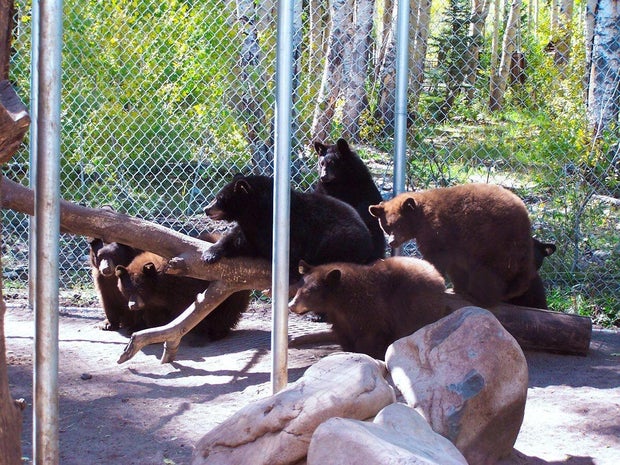
A facility in south-central Colorado is caring for 47 bear cubs which are the result of state's "worst year of human-bear conflict on record," according to a state agency.
The Frisco Creek Wildlife Rehabilitation Center receives about 20 orphaned cubs in an average year, according to Colorado Parks and Wildlife (which operates it). In its 15 years of operation, Frisco Creek has had as few as four orphaned cubs and as many as 40.
The increase parallel the record number of reported bear sightings or conflicts in Colorado this year: 10,820 as of late September, more than double the previous year's total.
The number of bears euthanized by CPW as a result of conflict with humans has also more than doubled, per CPW. The agency says it is forced to euthanize bears that break into homes. Sometimes that leaves cubs behind.
"Most wildlife officers will tell you that killing a bear is one of the worst things they ever have to do, and we constantly hear how grateful they are to have a place to send the orphan cubs," stated Frisco Creek Facility Manager Michael Sirochman. "We will continue doing everything we can at Frisco Creek to meet that need and provide that second chance."
In other cases, the animals are struck by vehicles on Colorado roads.
But this year has been tough for another reason: More bear cubs are simply being orphaned because the mother abandons them. Per CPW, that is a more prevalent problem this year due to the lack of food. Historic drought, late spring freezes and several large wildfires are to blame.
CPW called it a "widespread food failure."
"Each year, we collect staff survey data on natural bear food fall conditions around the state, and 2026 will go down as the worst statewide results we've seen since we started surveys in 2008," stated Mark Vieira, CPW's Carnivore and Furbearer Program Manager. "While a final data summary is not available yet, many parts of the state reported complete food failures in most common bear food sources like acorns, serviceberries, chokecherries and plums."
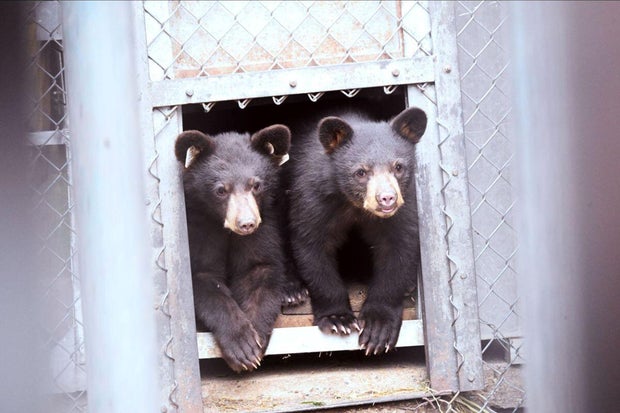
It started in mid-April this year. A six-pound cub arrived from Evergreen. Most arrivals at Frisco Creek are, typically, young cubs.
This year, however, many yearlings in poor condition have arrived.
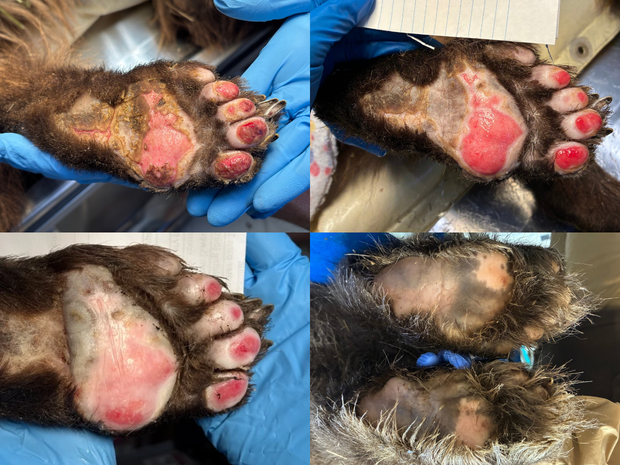
One of those yearlings sustained burn injuries to his paws in the Aspen Acres Fire near Beulah this summer.
"This bear had significant burn injuries to all four paws, but they were already showing signs of healing," CPW Field Veterinarian Dr. Jane Riner stated in a press release. "Because he had survived the worst of it and we had a headstart, we had high hopes for a successful outcome. We were able to use special wound dressings to provide protection from infection and a multi-wavelength light therapy to accelerate the healing process. He showed incredible improvement, and within nine days, we were able to discontinue bandaging and get him comfortably back on his feet."
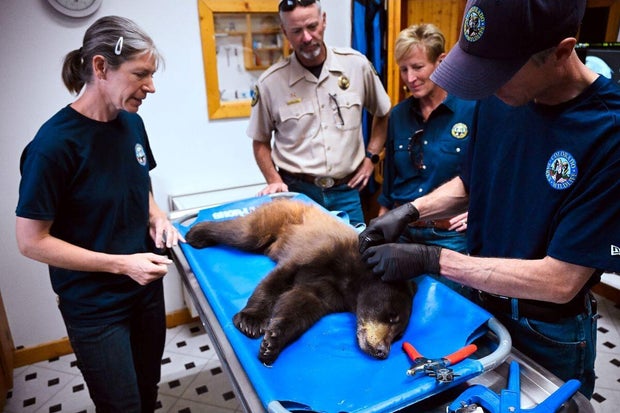
This yearling bear weighed only 31 pounds when he was brought to Frisco Creek in mid-July, according to CPW. He now weighs 120 pounds.
"We were very pleased how tolerant he was of our frequent bandaging," stated Frisco Creek seasonal employee Ashley Lestone. "Wild animals in care will often immediately attempt to remove bandages or other foreign objects from their body, but this bear seemed content to leave everything alone and give his paws some much needed rest."
The burns are now completely healed and the yearling is preparing for hibernation. CPW's current plan is to release him in late November when he is ready to "den up" for the winter.
Also Included in the bunch was a bear dealing with a broken leg. A Custer County Sheriff's deputy picked up the injured cub along a highway. At that time, the cub was malnourished, dehydrated and limping. Thanks in part to a successful surgery, the cub is very likely to be returned to the wild.
"We are very pleased with the healing progress so far," stated Frisco Creek intern Elyana Pollard. "Her limp has disappeared, and she seems to be getting around normally and pain-free. In addition, she was able to reach a healthy weight, and is now quite chubby, fluffy and ready for hibernation. While we will be keeping her at the facility through the winter months to ensure her leg is properly healed, we are hopeful that she will be fully healed and ready for release come spring."
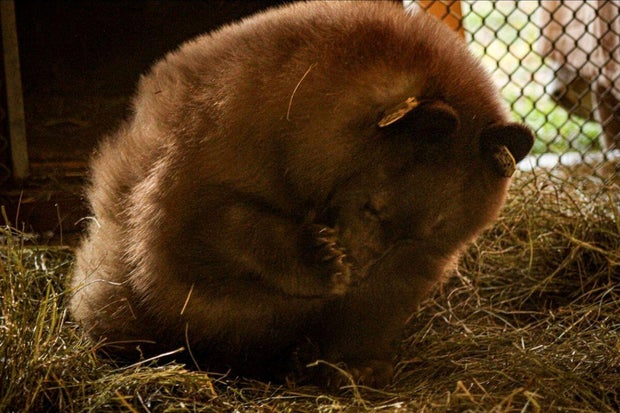
The 47 bears at Frisco Creek this year have come from all over the state. Twenty-one have come from CPW's Southeast Region, 18 from the Northeast, seven from the Southwest and one from the Northwest. Many more Northwest cubs went to a private rehab facility in Silt, the Pauline S. Schneegas Wildlife Foundation, per CPW.
Frisco Creek is located in the San Luis Valley and staffed by CPW personnel and volunteers.
"Fortunately, this year we did not have any bobcats, mountain lions or red foxes, so all mammal pen space has been available and dedicated to housing cubs. We were also able to finish modifications to several pens that were set up for other species in the past and were not very useful for bear cubs. This has allowed us to take in a record number of cubs this year."
Sirochman looks forward to a return to more average totals - around 20 cubs or less - while hoping that the recent spike doesn't become the new normal.


