Colorado emergency room, maternity units close as hospitals statewide hemorrhage money
The Colorado Hospital Association is warning of further cuts to services, saying the state's hospitals lost $4 billion on Medicaid and Medicare last year and saw a 60% increase in uncompensated care and a 13% increase in operating costs.
Banner Health closed its emergency department in Loveland this month, and last week, Delta Health became Colorado's second hospital in five months, after Arkansas Valley, to close its obstetrics unit. Half of rural Colorado is now considered a maternal care desert.
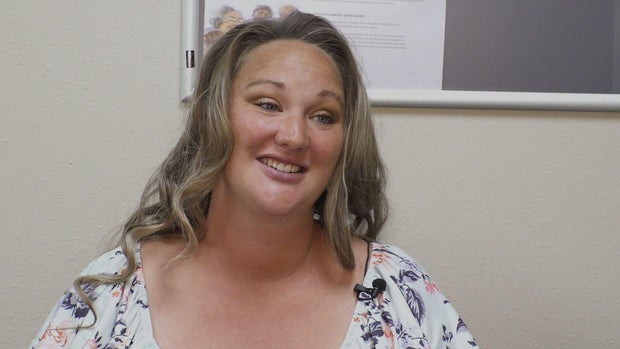
Erica Quain planned to give birth at Stork's Landing, Delta Health's Labor and Delivery Unit. She found out two weeks before baby number two's due date that it was closing.
"How can they close? That's like closing the ER," she said.
The next closest hospital is at least a half hour away. Quain's first baby had a life-threatening complication that required quick thinking by Delta Health's delivery team.
"They saved his life and I'm forever grateful to them for that," she said as she fought back tears. "I need them to deliver this baby."
Delta Health CEO Jon Cohee says the hospital lost half its family practice obstetricians and couldn't attract new ones because it couldn't afford the latest robotic equipment used for gynecologic surgeries.
"It's probably the toughest decision I've had to make in my health care career," he added.
For the last five years, Cohee says, the hospital has been in the red by more than $1 million a year.
He warned that "this is just the tip of the iceberg."
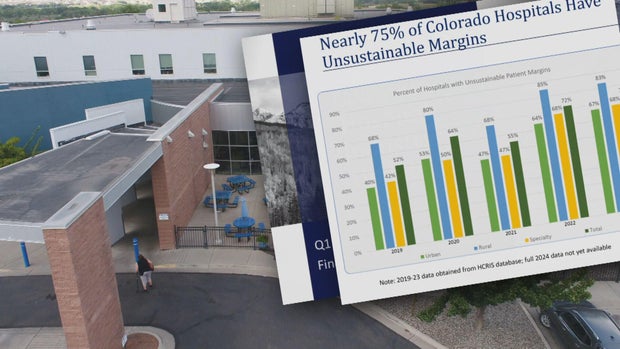
Delta Health isn't alone. According to the Colorado Hospital Association, nearly 75% of hospitals in rural and urban Colorado have unsustainable operating margins. It blames state lawmakers in part, pointing to nearly 350 new state laws in five years that impact hospitals, including new reporting mandates on everything from charity care to complaint resolution. They also include new patient notifications on multiple issues, from facility fees to provider qualifications, and new rules on carbon emissions, staff name tags and more.
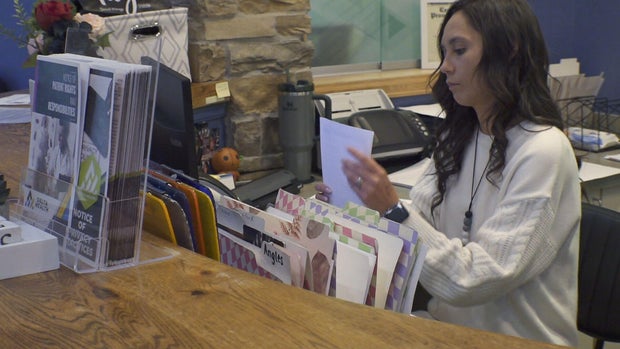
"Those unfunded mandates just cripple a hospital. Because we have people chasing that, then you can't have staff doing exactly what it is that they should be doing, which is taking care of patients," says Cohee.
The legislature has also expanded the number of services covered by Medicaid and requires hospitals to screen uninsured patients for Medicaid eligibility and provide discounted care and bill forgiveness after three years.
"You take all those and add them all together, hence the struggle," Cohee says.
It's not just the state. The Hospital Association says President Trump's Big Beautiful Bill Act will reduce funding for hospitals in Colorado by nearly $10.5 billion over the next ten years and increase the number of uninsured patients due to new Medicaid eligibility rules.
While the bill includes money to help rural hospitals, federal law limits the number of rural designations in geographical areas. Delta Health is one mile too close to Montrose Hospital to qualify as "rural", causing it to lose out on millions of dollars in grants and prescription drug discounts.
"My hope is that everybody takes a breath and just let's health care be," says Cohee. "Leave us be for two to three years."
He says much of the equipment at Delta Health is at least 20 years old and starting to break down. The hospital has been renting an industrial sized air conditioner for $17,000 a month because it doesn't have the $500,000 to buy a new one. Cohee says the nurse call system is also on its last leg and will cost $700,000 to replace.
State Rep. Matt Soper, who serves Colorado's 54th District, has lived in Delta all his life and is on Delta Health's board of directors.
He says, "I worry about the hospital every day."
Soper says saving the hospital is about saving lives: "When I walk through the grocery store and someone says, 'Hey Matt, thank you for the work you've done to keep Delta open,' and I know, in the back of my head, we're just barely hanging on, it brings tears to my eyes. We will do whatever it takes to keep health care here, but it may not exist the way it does today."
That's what worries Erica Quain. Her doctor induced her a few days early, and she and baby Colton are doing well, but she fears the maternity ward is just the first domino to fall at the hospital.
"After women move their OB care, they often move their whole family's care," she explained.
Cohee isn't throwing in the towel.
"The message I would give to the community is, we haven't and won't ever give up. I lost my mom and dad early. They died way too young. They didn't have the access to the care they needed, so I know how much it hurts to not have that," he shared. "That's really what keeps me going in health care."
He hopes to eventually reopen the maternity ward after the Delta Hospital Foundation raised money for the robotic equipment used in gynecologic surgeries.
While the community approved a sales tax increase for the hospital, 75% of Delta Health's patients are on Medicaid or Medicare, so they lose money on 7 out of 10 patients. Cohee says commercial carriers also shortchange rural hospitals.
Congressman Jeff Hurd says he is trying to help Delta Health get a "critical access" designation, which would improve Medicare reimbursement. Hurd also plans to work on regulations that ensure the hospital can access some of the $50 billion for rural hospitals in the Big Beautiful Bill Act.
State lawmakers also recognize the crisis facing rural hospitals. They passed a bipartisan bill this year that provides up to $90 million over the next five years for rural health care providers. Meanwhile, Governor Polis pushed for a law that requires a fiscal analysis of all health care legislation, and he says he won't sign any bills that raise health care costs going forward.