Drought conditions improve in Colorado: Here's what that means for insects this fall

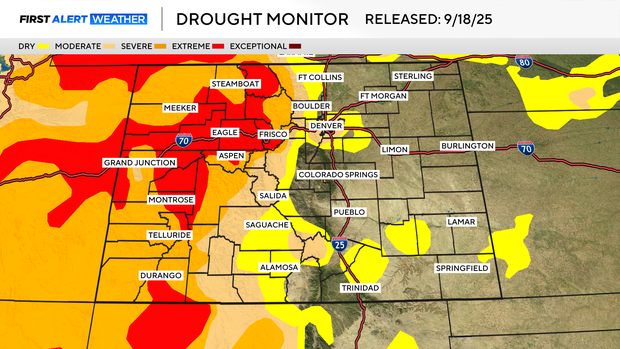
There's some encouraging news in this week's U.S. Drought Monitor update: conditions are improving across Colorado, thanks to recent rounds of rainfall.
Most notably, the area of extreme drought has decreased by nearly 9%, a significant drop. Even more good news? This update doesn't include the widespread mountain snow and rain that fell on Thursday. That much-needed moisture will show up in next week's report, which could bring even further improvement.
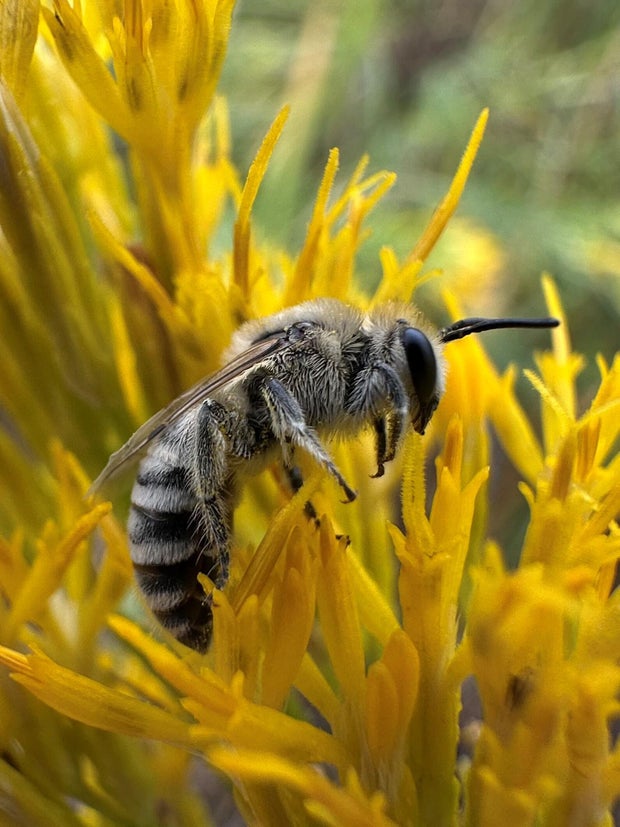
According to Lisa Mason, Horticulture Specialist and Entomologist with CSU Extension in Arapahoe County, the drought hasn't just impacted crops and landscapes; it's taken a toll on pollinators as well. "When there is a drought, there are very few floral resources available," said Mason. "That's hit honey bee colonies really hard."
As cooler weather settles in, many people wonder what happens to all the bugs, bees, and butterflies we saw buzzing around all summer.
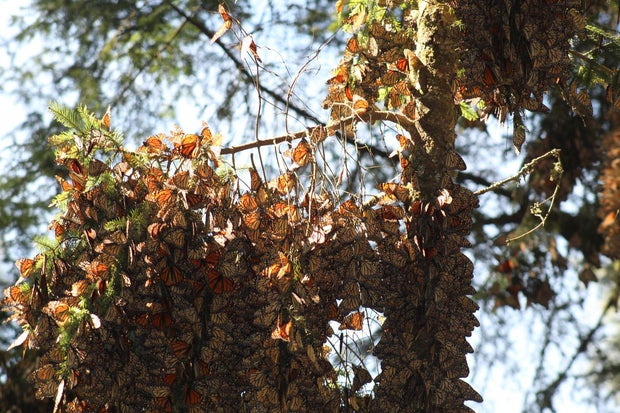
Monarch butterflies, for example, migrate thousands of miles to warmer climates in Mexico. But how do they know where to go? Mason explains that monarchs use a combination of internal navigation tools, including a magnetic compass, a circadian clock, and the position of the sun. It's an incredible journey, especially considering that none of the butterflies making the trip have ever been there before. "The Monarch butterfly has four generations in a year," she said. "That last generation, the fourth generation, turns around and migrates south all the way to a very specific part of Mexico, where there's a special microclimate."
While butterflies head south, honey bees stay put, and they stay warm. Inside the hive, bees form a tight cluster around their queen, keeping temperatures over 90 degrees by feeding on stored honey and beating their wings to generate heat. "Beekeepers should make sure they have at least 80 pounds of honey stored," Mason advised, "so they can beat their wings and keep their hives nice and toasty all winter long."
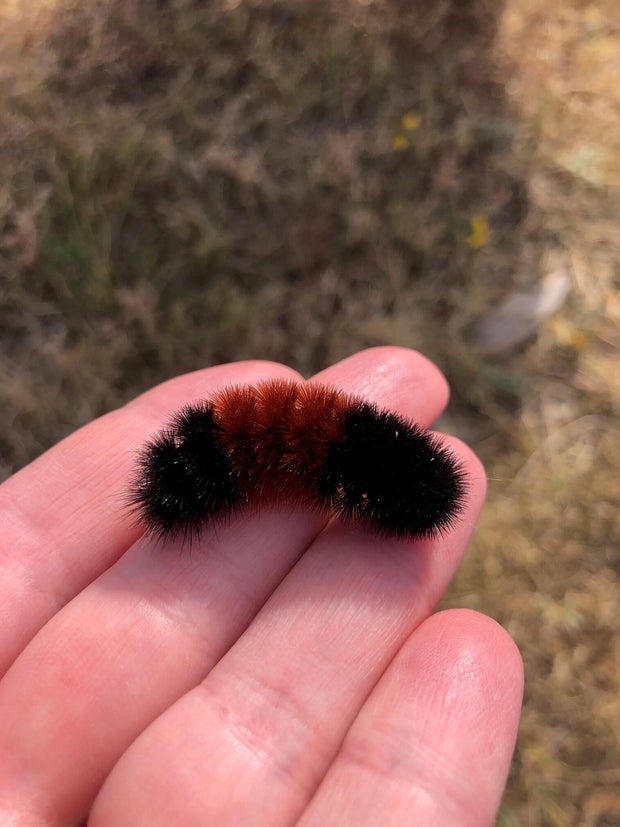
Other insects, like woolly bear caterpillars and queen bumblebees, hunker down for winter in leaf litter or just below the surface of the soil. Some overwinter as adults, hiding under bark, in rock crevices, or tucked into the dried stems of garden plants.
According to Mason, how you prepare your garden for winter can have a direct impact on insect survival, including pollinators.
Leave the leaves: That layer of leaf litter provides essential shelter for many overwintering insects.
Don't cut everything back: Letting perennials stand through the winter creates habitat for overwintering species like native bees.
Rethink "tidy": What may look like a messy garden could actually be a thriving winter refuge for beneficial insects.