MS misdiagnoses raise concerns, Colorado doctors warn of unnecessary treatment risks

A recent revelation by actress Christina Applegate that she does not have multiple sclerosis has sparked conversations about the frequency with which misdiagnoses occur. Colorado doctors say pinpointing the disease can be complicated, and misdiagnosis rates are high.
Colorado has one of the nation's higher rates of multiple sclerosis, or MS, and specialists at the Rocky Mountain MS Center at the University of Colorado are working to better understand the disease and improve diagnostic accuracy.
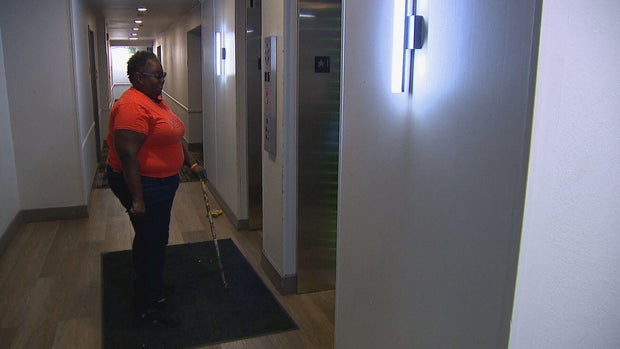
For Marissa Poppens, living with MS means never knowing what each day will bring.
"From the moment I wake up, I never know if it's going to be a good day or a bad day," Poppens said.
Her life changed in April 2015 when, at 30 years old, she woke up paralyzed from the waist down.
"Once they did an MRI, they found a bunch of lesions on my brain and spine that was affecting my mobility," Poppens said.
She was diagnosed with multiple sclerosis, a chronic disease in which the immune system attacks the central nervous system, disrupting communication between the brain and the rest of the body. Today, Poppens relies on a cane and walker to get around. She said managing her symptoms often requires multiple medications.
"MS is so unpredictable," Poppens said. "Sometimes I'm doing fine with my five medications, and sometimes it's eight or more."
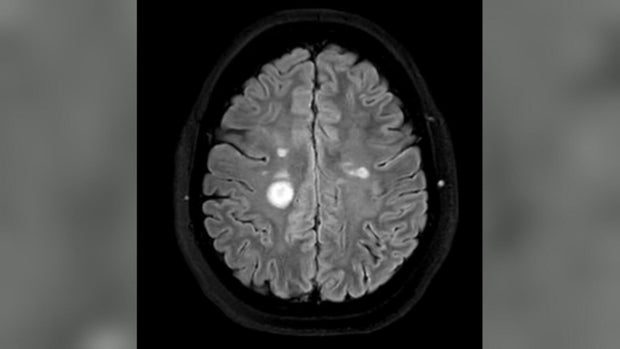
Even after receiving her diagnosis, Poppens said getting treatment was difficult. Insurance issues left her without treatment for a year, and she eventually lost her job and much of her independence.
"I was scared at first, and then concerned," she said. "Like, what is my future going to hold? How am I going to navigate life now that I have this diagnosis?"
That is why Dr. Anna Shah, a neurologist at UCHealth University of Colorado Hospital, says it is important to get a second look to confirm the diagnosis. She adds that diagnosing MS can be challenging because symptoms such as fatigue, numbness and vision problems can overlap with other medical conditions.
"It's not as simple as something like a diagnosis of diabetes, where you do a singular blood test and then you get your answer of whether you have it or not," Shah said.
Shah said that, in her experience, about 10% to 15% of new patients she evaluates may have been misdiagnosed previously.
Unlike some other conditions, doctors cannot confirm MS with a single test. Specialists must evaluate a patient's symptoms, medical history, neurological examinations and imaging results to determine whether the disease is present.

"With MS, we kind of think about these complexities that come into play, which is looking at clinical symptoms that someone may have, as well as looking at more evidence of MS," Shah said.
The risks of an incorrect diagnosis are real and, in some cases, deadly. Shah warned that an incorrect MS diagnosis can have serious consequences, particularly for patients who are prescribed medications that alter the immune system.
Many MS treatments work by modifying or suppressing immune activity to reduce attacks on the central nervous system. However, some of those medications can increase the risk of infections and other complications.
"In MS, the issue is the immune system is doing all the wrong things, and so most of our medications are primarily focusing on changing how the immune system functions," Shah said.
She emphasized that patients who do not have MS could face unnecessary health risks from those treatments.
"So when we think about it in that context, it can be really quite dangerous if that's not the diagnosis you have," Shah said.
For Poppens, who has spent more than a decade navigating the challenges of MS, the possibility of an incorrect diagnosis underscores the importance of getting answers before beginning long-term treatment.
Specialists recommend seeking a second opinion from a neurologist who specializes in MS when a diagnosis is uncertain, particularly before starting medications that affect the immune system.
For patients like Poppens, an accurate diagnosis is about more than finding the right treatment. It is about understanding what the future may hold while managing a disease that can change from one day to the next.


