After charges were dropped for a violent Colorado offender, lawmakers say they plan to take closer look at competency laws

Colorado lawmakers say they plan to take a closer look at the state's competency laws and changes made last year under House Bill 1034.
The renewed scrutiny follows mounting public criticism -- and pushback from local district attorneys and law enforcement -- after charges were dropped against a violent offender who was then released back into the community due to the law's requirements.
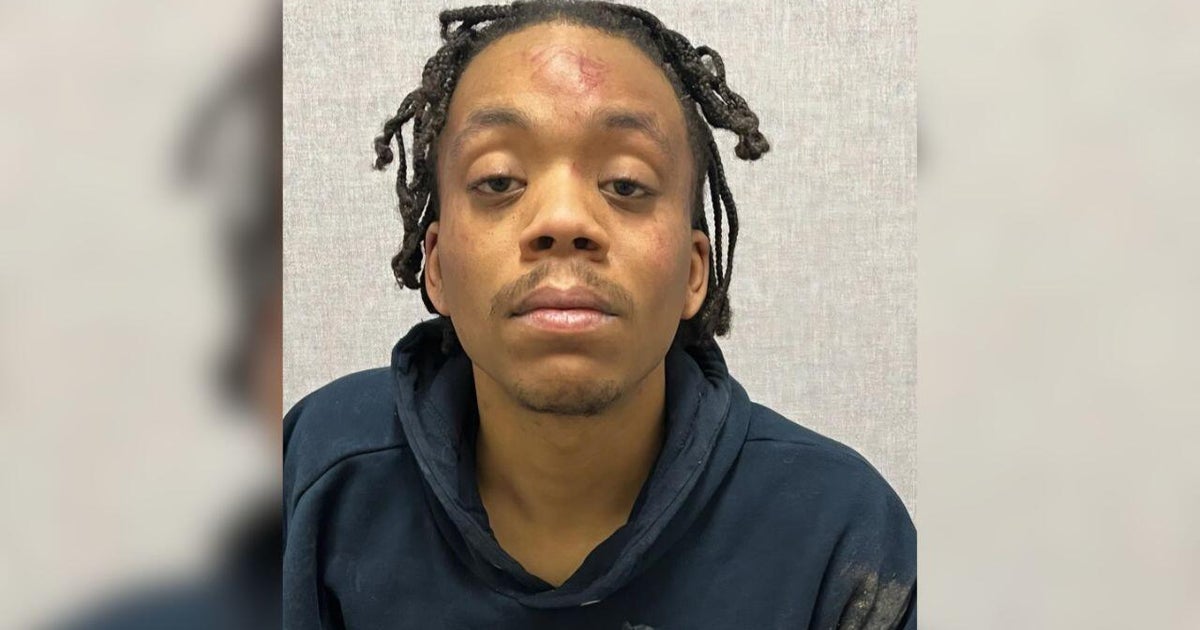
Weld County officials say their hands were tied in the case of Debisa Ephraim, a man with a history of assault, burglary and theft arrests. He was charged with attempted murder earlier this year but later released after being declared incompetent and not restorable.
"He was brutally beaten after he was already unconscious," said Griselda, whose brother, the victim in the case, was hospitalized for weeks. She asked that his name not be published.

"He had to learn to talk again, walk again, do all the basic functions," she said.
Despite the severity of the attack, the case was dismissed under current Colorado state law. Griselda said she was unaware such a law even existed.
"I think many Coloradans are still not aware," she added.
Weld County District Attorney Michael Rourke said the case was dismissed in compliance with House Bill 1034, which was passed in 2024 and signed into law by Gov. Jared Polis.
"This law mandates the dismissal of charges when a defendant has been found incompetent and not restorable," Rourke said. "This is the law, and we follow the law."
The case drew national attention after Elon Musk questioned the release on social media. In response, Gov. Jared Polis called the situation "unacceptable" and suggested that Rourke could have done more, pointing to alternative legal mechanisms.
But Rourke said the governor's statement was "completely inaccurate."
Polis cited Title 27, a civil commitment statute, which allows for involuntary detention or treatment if a person poses a danger to themselves or others and has a mental health disorder.
Rourke said Ephraim didn't meet the legal criteria.
"There is a very specific definition of 'mental health disorder,' and this defendant didn't meet that definition," he said. "We couldn't civilly commit him or utilize our 72-hour emergency mental health hold."
Rourke said the statute needs to be expanded.
"The civil commitment statute is entirely too narrow to be used in this way," he said. "I think we all knew this was coming."
State Sen. Judy Amabile, who sponsored HB 1034, says state and federal law already required someone who is deemed incompetent and unlikely to be restored to be released from jail, but added that charges could be dropped.
"It was to ease this transition into the civil system," Amabile said.
She added that the state must revisit who qualifies for civil commitment, as some individuals -- such as those with intellectual or developmental disabilities, Alzheimer's or traumatic brain injuries -- are currently excluded.
"Those conditions are not considered mental illness under Colorado law, so they do not qualify someone for civil commitment in a state mental health hospital," Amabile said. "What we've failed to do is set up an alternative path for people in that situation."
Amabile says that's something they are looking at.
"Other states do use a different methodology for deciding on whether you meet criteria for a commitment," she said. "And there's basically three things. There's danger to self or others, and... or two things, and there's also gravely disabled. And gravely disabled means you cannot take care of yourself, and that lack of ability to do that is a danger. And so, some states have these things connected, and so we're looking at what other states are doing, and we're looking at ... what would make sense for Colorado. But I will say that one of the big drivers of all of this is that there aren't enough places for people to go."
Griselda said the impact of the law on victims' families is unacceptable.
"When we expect the law to defend and protect us, and our DAs are saying their hands are tied -- that they must let these people go -- that just sounds insane," she said.
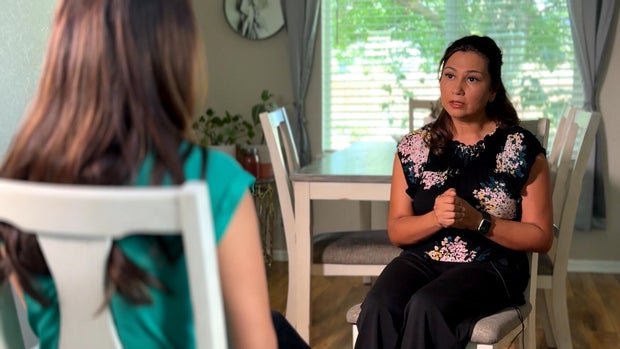
"He is loose in the community," she added. "Whether he approaches my family or somebody else's and does something horrific -- it's scary to think about what's next."
After Rourke publicly disputed the governor's original comments, Polis issued an updated statement:
"I support local governments in using every tool they can to protect public safety, and have made state staff available to work on options in partnership with local governments to ensure dangerous individuals are not released into the community. I also support updating statutes where necessary. Individuals who pose a risk to our communities or themselves should not be released back onto the streets. There are several mechanisms to prevent that -- and I support more. I look forward to continuing our working partnership with the legislature, local leaders, law enforcement, district attorneys and others to further strengthen options to protect public safety."
CBS Colorado reached out to the Colorado State Public Defender office as well as Ephraim's attorney directly and did not hear back.