Class Helps The Helpers Cope With Tragedy
By Kathy Walsh
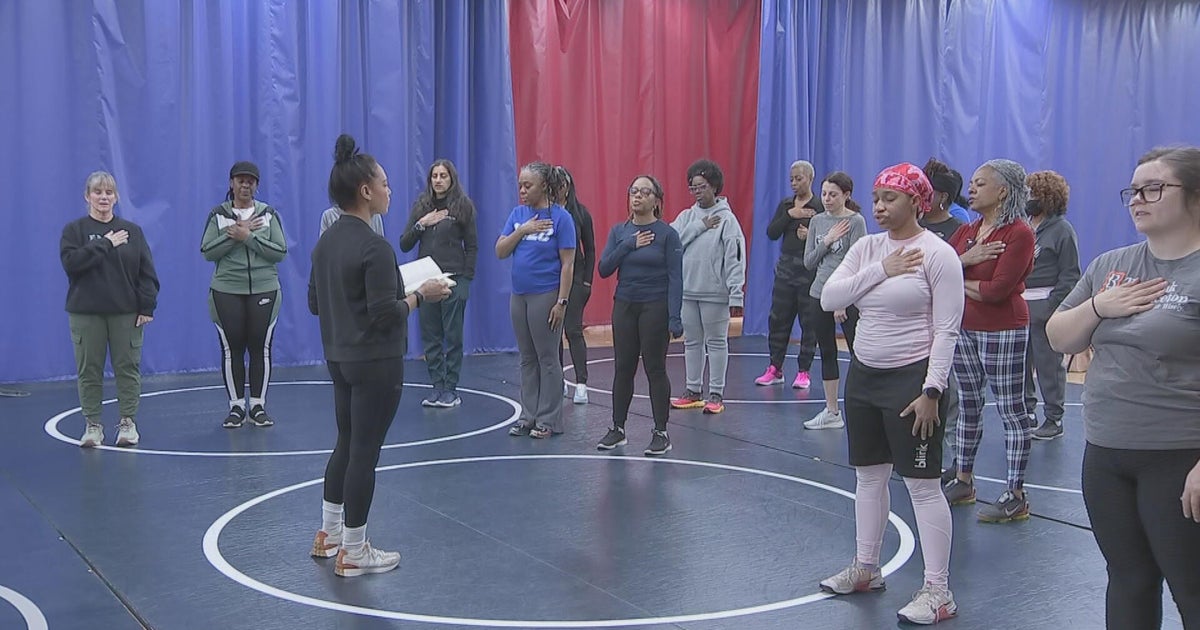
DENVER (CBS4) - Emergency responders come to the aid of people in horrible circumstances. But who helps the helpers when the memory of an emergency comes back to haunt them? It turns out, there is resiliency training. The class teaches them how to make the best of seeing the worst.
When Melissa Keel first became a trauma nurse, she tried not to take tragedies to heart.
"I would be there for the patient, but I would come home and I could go to sleep," Melissa told CBS4 Health Specialist Kathy Walsh.
But after Melissa had her daughter, Cali Joy, any emergency involving a baby got personal.
"I've had some harder days dealing with babies that have come in that haven't been breathing and we've had to help them do that," said Melissa.
That's why Melissa signed up for the resiliency training. It's taught by Mike Grill of Centura Health. Grill is a retired firefighter and author of the textbook, "First Service First Responder."
"You're working shift hours, you see really horrific stuff," Grill told about a dozen students.
The one-hour class is about coping; teaching first responders how to handle adversity. Melissa was joined by her husband, Sean, a Littleton firefighter and EMT, also in the business of suffering and loss.
"Over time, that's going to wear on me. I just want to make sure that I don't get burned out or I just know how to deal with that," said Sean Keel.
Grill tells his students it's okay to be bothered by what they see. But he stresses the importance of taking care of yourself and turning post-traumatic stress into post traumatic growth.
"You can succumb or you can surmount," said Grill.
Grill says asking for help is imperative.
"It's really, really important to understand that your family is one of your strongest social support mechanisms," said Grill.
The Keels know that reaching out may be the key to bouncing back. And Grill says the tools he shares offer a sort of immunization for emergency workers from post-traumatic stress. He says you can't eliminate the stress on the job, but you can learn to manage it.
Kathy Walsh is CBS4's Weekend Anchor and Health Specialist. She has been with CBS4 for more than 30 years. She is always open to story ideas. Follow Kathy on Twitter @WalshCBS4.