Despite price tag, Colorado town happy to shift to electric lawn equipment under new state regulation

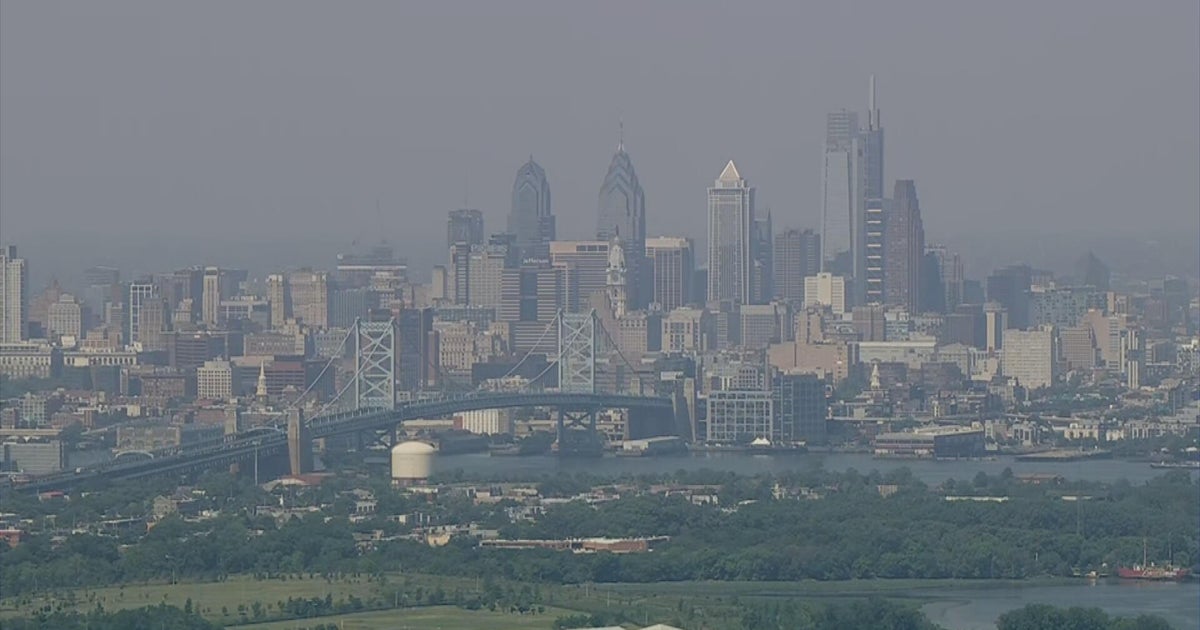
The Environmental Protection Agency has designated the Denver metro area as "severely" out of compliance with ozone air quality standards.
The state says emissions from gas-powered lawn and garden equipment account for about 11% of total air pollution across Colorado's Front Range.
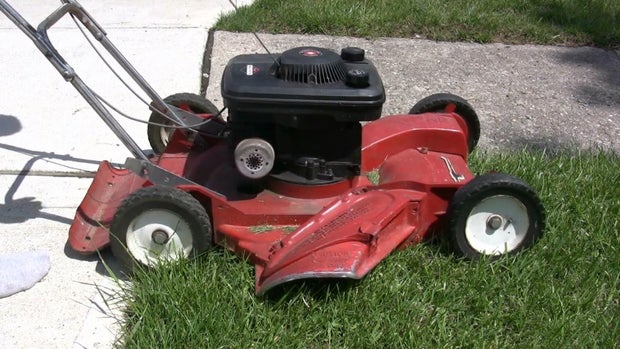
Colorado typically sees its highest pollution levels in the summer months.
It's why the Colorado Air Quality Control Commission has adopted a new regulation that will impact communities across the region.
The streets in some parts of Colorado are quieter this summer, thanks to a new law restricting the use of small gas-powered lawn equipment on public land.
"It's a lot quieter. We get compliments, actually, at our downtown site ... the homeowners there have told us how quiet it is with the backpack blowers," said Bob Maloney, manager of parks operations and maintenance for the town of Castle Rock.
Brian Doyle spends his summers on the town of Castle Rock's lawns.
"We just blow off the grass after you finish mowing, when it gets on the sidewalks, and help clean up the area. Make it look nice," Doyle said.
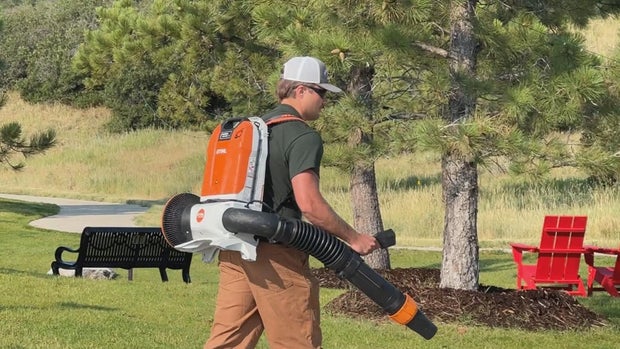
This summer, he's not using the gas-powered equipment he used to.
"It's super loud. And it's, it's, it'll kind of wake up the neighbors," Doyle said. "The electric's a lot nicer."
The rule restricts state entities from using gas-powered lawn equipment under 25 horsepower in summer, and in areas that don't meet ozone air quality standards, like the entire metro area and North Front Range. Local and federal government entities face the same restriction for equipment under 10 horsepower.
Contractors providing lawn services for government entities must also comply.
"Those push lawn mowers, leaf blowers, trimmers and other equipment. They may be small, these types of small equipment, but they produce a shocking amount of pollution," said Kirsten Schatz, advocate with CoPIRG Foundation.
The nonprofit CoPIRG worked to pass the policy, which is the first of its kind in the nation.
"Exposure to ozone at the levels that we experience here in our region of Colorado are associated with asthma attacks, lung damage, cardiovascular disease and even premature death. So it's important that we do what we can to clean up our air," said Schatz.
Towns like Castle Rock had to transition by June 1.
"Just on the parks side, we purchased 15 string trimmers, about 15 backpack blowers, a couple edge stick edges for our sidewalks, and four chainsaws and a walk-behind mower," said Maloney.
A town spokesperson says the town ordered 104 tools, 190 additional batteries to support use of the tools, and 66 battery chargers.
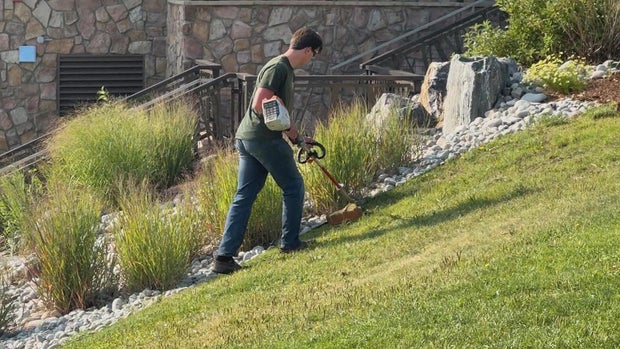
Including those batteries and chargers, the town spent $117,556 on the electric equipment, but a federal grant from the Energy Efficiency Block Grant Program covered the hefty price tag.
Castle Rock workers say the equipment is easier to use.
"The gas powered, it's difficult. You got to keep fueling up at the gas station. Stuff with this, you just pull a battery in the morning and put it in your truck and you're good to go," said Maloney.
"When you're using gas, are you breathing in fumes?" CBS Colorado's Olivia Young asked Doyle.
"Yes, yes, always, always. It's like it's dripping on you, or it'll be smelling. It's just, it's kind of just a nuisance. It's kind of not very fun," Doyle responded.
The requirement is in place for June through August, the months with the highest ozone violations.
"I love it. I think it works great," Doyle said. "I think there's a lot more pluses to the electric than the actual gas."
But with Brian's endorsement, the equipment may stick around all year.
"I'll be honest, just with the feedback I've gotten from my guys. I think we'll continue just to use the electric here and outside the window of June, July and August," said Maloney.
Schatz says this year the state is taking a supportive approach to enforcement. She encourages entities outside of government and individuals to transition to electric equipment as well.
"Ultimately, we should stop using equipment that produces such a shocking amount of harmful pollution and harmful noise. But right now, we're at a place where state and local governments are leading the way in cutting this harmful form of pollution, and that's really great to see. And then we have to figure out what the best way is to get there so we can get to the point where we have cleaner and quieter lawn equipment across the board," said Schatz.