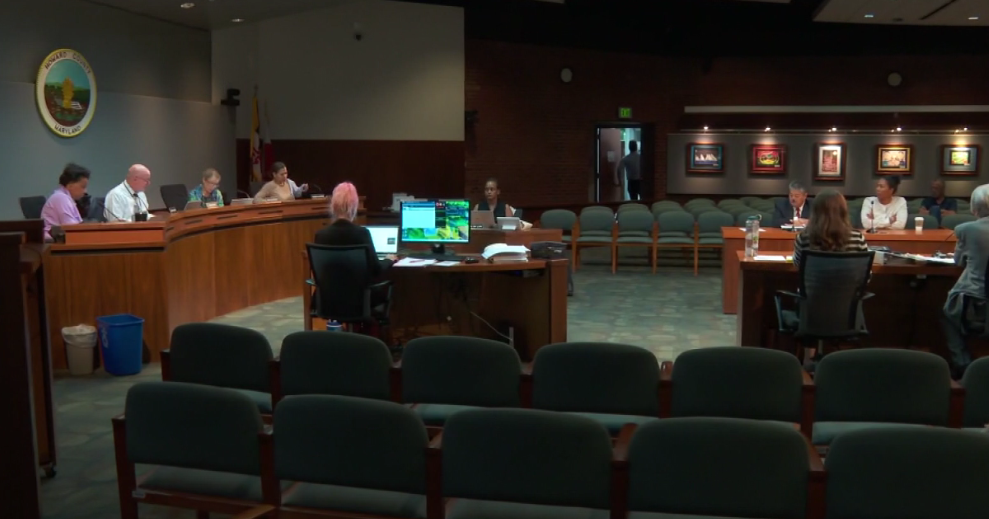
Survivors of Camp Amache Say Historic Designation Will Help Preserve History
(CBS4)- A Japanese Internment Camp in Colorado will become a National Historic Site under a bill President Joe Biden is expected to sign. The Granada War Relocation Center, or Camp Amache as it became known to 7,500 Japanese Americans in the 1940s, has been virtually erased from the landscape.
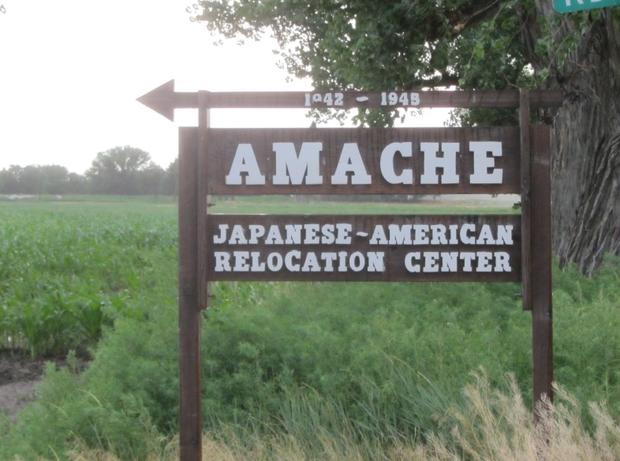
But Senators Michael Bennet and John Hickenlooper along with Congressman Ken Buck and Joe Neguse are making sure it will not be erased from history.
Their bill also folds Camp Amache into the National Parks System, making it eligible for funding to help with a restoration that, until now, volunteers have done with donations.
The lawmakers met with survivors and descendants of Amache to celebrate the bill's passage.
"But the memory of Amache is not only for the survivors and the descendants to bear, it's a responsibility of every American to remember what happened there so it can never happen again," said Bennet.
The bill's passage comes on the 80th anniversary of an order by former President Franklin D. Roosevelt that created incarceration camps like Amache.
"Today we celebrate the good in America and recognize the bad and important to do both," said Buck.
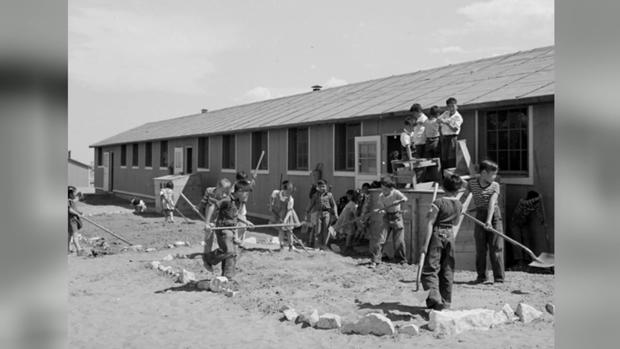
The good is evidenced in the work of Granada High School Principal John Hopper and his students who have restored parts of the camp.
The bad is seared in the minds of survivors like Ken Kitajima, "Our family lost almost everything we owned."
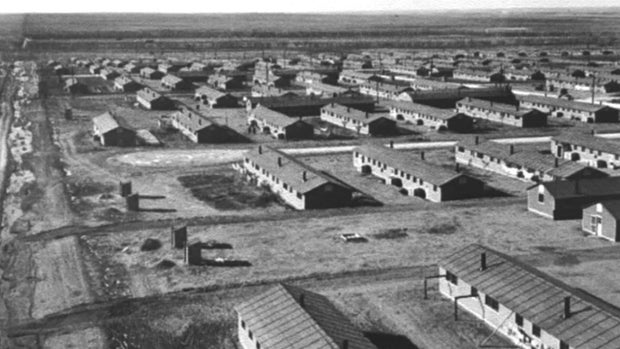
Carlene Tinker entered Camp Amache when she was 3 years old, "I was an enemy alien, not because of what I did but because of what I looked like, I looked like the enemy."
Calvin Hada, whose parents were imprisoned at Amache, says the trauma was passed from survivor to descendant, "I got my love of country from my father and my mother, so I guess that's a testament to the healing process."
Stacey Shigaya choked back tears as she talked about the lasting impact Amache had on her parents, "They had to navigate the road of being proud of being Japanese but also being shameful of being Japanese and feeling that shame and that lasted their whole lives. What I didn't get from my parents because of their incarceration, was the gift of who they really were. And that, I will never get back."
Secretary of Interior Deb Haaland told survivors and descendants their stories are ones we all need to hear, "You not only bear the burden of this history but you also bear the burden of sharing it."
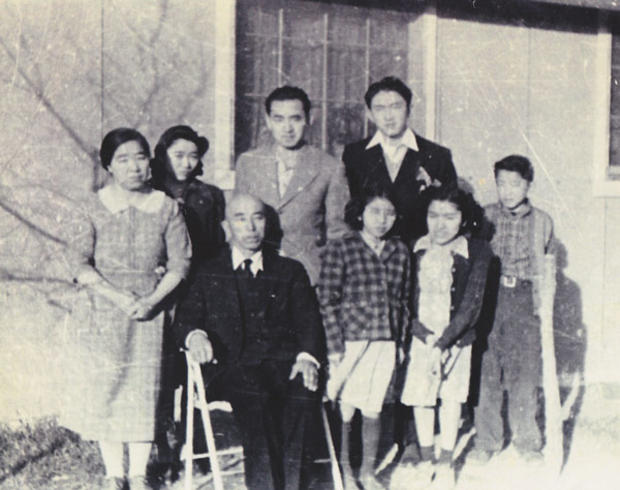
Despite what his country did to him, Kitajima, a 91-year-old Navy veteran, still loves it, "This preserves through National Parks Project that history of Amache as a true historic site for all who lived in the greatest country in the world."
The National Historic designation literally puts Amache on the map so people will visit it and understand the significance of what happened there.