Body cameras doing translation for law enforcement in one Colorado mountain town, improving roadside communications

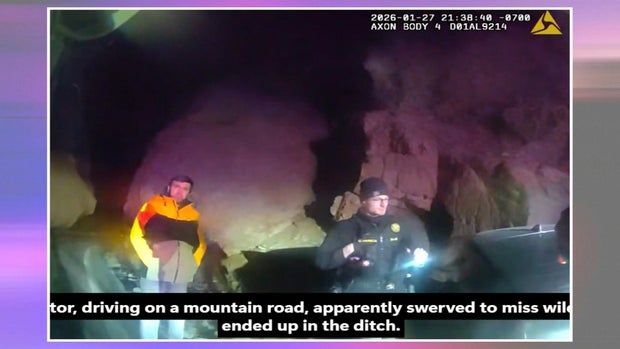
Two men stood by the side of a Colorado road in Idaho Springs. Their vehicle was off the lanes and in a ditch, which took some explaining to the Idaho Springs Police when they arrived. Problem was, the two -- who were headed to Black Hawk -- spoke Russian, not English.
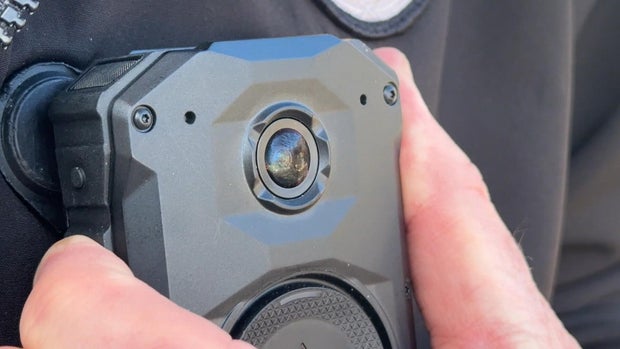
"Translation," said the speaker on the body camera unit when asked. The officers asked the men what happened. It translated it to Russian and asked the men what happened. One of them replied in Russian. The camera picked it up and translated it, reading it back to the officers.
"Driving towards Black Hawk. I don't know which one it is. What is it called in Russian? A deer," said one of men, explaining how they'd swerved to avoid and animal and ended up in a ditch.
Communication problem solved.
"Being able to just press a button on their body camera and then communicate -- have their hands free, communicate back and forth with that person. It just makes everything quicker, easier and safer," said Idaho Springs police chief Nathan Buseck.
The tiny Idaho Springs department with six employees had been using a phone-in service to reach interpreters. That took time and ties up officers' hands while using the devices to get interpretation. Buseck said people would talk to the phone, not the officers and there was less engagement. At times they'd be along noisy Interstate 70 having trouble hearing.
"People feel connected and we can see that on the video. When you see something and it translates it right to the person. You can see the reaction from the people," he said.
The change came along with a software upgrade from the body cam contractor. It's been a big help.
"There are times when our officers are actually seeing people's face light up when they see 'Wow, I'm actually talking to somebody and they're understanding me and I'm understanding them,'" said Buseck.
The only shortcoming he's seen so far is that the system does not operate where there is no cell service. That was the case with the phone-in service as well. But the chief says it works well in town.
As of yet, there's been no major emergency that has happened when the new system is tested when time is crucial. But he sees the need.
"There are times when we're flagged down. People are flagging us down. 'Hey pull over there's an emergency,' and I forsee a time when we're going to have this camera and be able to communicate with someone who doesn't speak English, what that emergency is."