Aurora deploys mobile speed cameras to slow Colorado drivers

Starting Tuesday, Colorado drivers may notice mobile enforcement cameras in neighborhoods across Aurora. The Aurora Police Department launched two devices to help combat what APD calls one of the city's most persistent complaints: speeding.
The cameras are located at 1400 South Dunkirk Street and 1700 South Sable Boulevard.
Each camera will move every 2 to 4 weeks based on results.

The first 30 days -- Nov. 18 through Dec. 17 -- will be a warning-only period, with no fines issued. Citations begin after that.
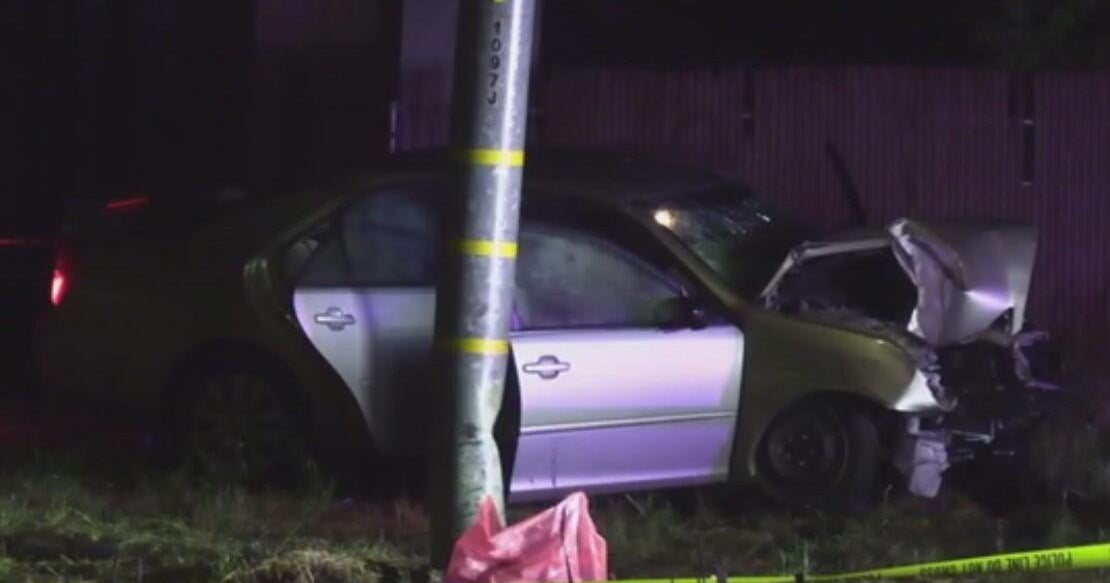
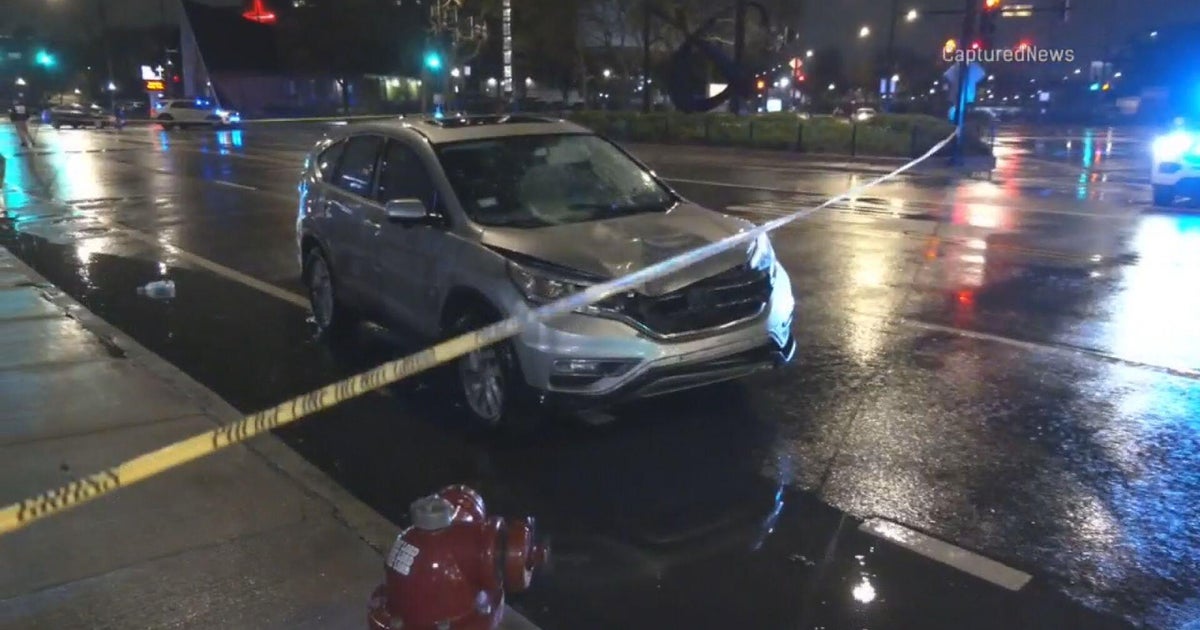
APD says the program is designed to reduce speed-related crashes, which continue to be a major concern. In 2024, the city recorded 7,561 crashes and 50 traffic deaths. So far this year, there have already been more than 6,200 crashes and 47 fatalities, and the year isn't over.
Lt. Chris Amsler, the commanding officer of APD's Traffic Section, says speeding tops the list of neighborhood frustrations.
"We've been hearing a lot of concerns about people speeding in residential areas. It's a constant complaint that we get, and our city council members get," he said.
But staffing traditional police enforcement in every neighborhood simply isn't possible.
"We would need thousands of police officers to do that," Amsler said. "It's just not realistic for us to be able to staff traffic enforcement like that."
Aurora tried a speed-enforcement pilot program last year using manned vans, but the program struggled. Low staffing, blurry photos, and high operating costs sent them back to the drawing board.
As of 2023, officers are no longer required to be stationed at cameras while in use.
"With these new devices, they're actually unmanned. We don't have to worry about a person sitting there running the cameras. We can run this program 24/7, 365 days a year," Amsler said.
Images are still reviewed by a real person. A vendor first checks that the plate and driver are clearly visible, then each violation goes to a city employee for a second review before a ticket is issued.
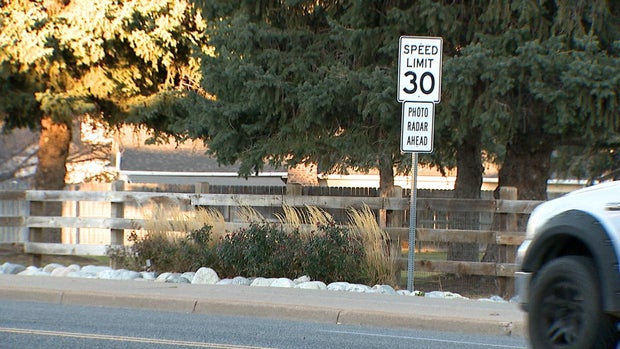
Before drivers reach a camera, state law requires warning signs at least 300 feet in advance. The devices look like a large traffic-control box positioned along the roadway.
Amsler says drivers will likely know they've been caught by a flash.
Each device monitors one direction and can capture three to four lanes of traffic.
For the next month, drivers who trigger the cameras will receive a written warning in the mail.
Starting Dec. 17, citations will cost $40 in residential areas and $80 in school zones. Drivers caught going 25 mph or more over the limit will get a court summons.
Although Aurora's previous pilot program cost the city more than expected, APD says this version is structured to pay for itself.
"We're hoping the program will pay for itself through the violations that are paid," Amsler said. "Any excess money will go to traffic safety initiatives and traffic calming programs."
That includes things like speed humps or roundabouts.
APD says effectiveness will be measured by whether speeds decrease at a camera site.
"If we're not generating citations, we know it's been successful," he said.
Across from one of the new camera locations sits Aurora Kids Learning Center, and the owner says cameras aren't what this street needs. Director Louiza Oprea says Sable Boulevard has been dangerous for years.
"The worst speeding is early morning, late at night, and when schools dismiss around 3:15," she said.
"Kids are crossing the street by themselves. Parents are at work. And speeding is always an issue."
Oprea says she and neighbors petitioned the city twice for speed bumps or a four-way stop near the center.
She says cameras won't stop a tragedy. She says the area needs physical changes, not just citations.
"It's not going to prevent an accident. Speed bumps would. Roundabouts would. Something that forces drivers to slow down," she said.
Drivers who want a camera placed in their neighborhood can submit a request through the city.