Amendment 83 would create a constitutional right to hunt and fish in Colorado

In Colorado, hunting and fishing are not only about recreation but also about conservation, the chief means of keeping wildlife populations in check.
For decades, we've had a law on the books stating, "The state shall utilize hunting, trapping and fishing as the primary methods of effecting necessary wildlife harvests."
But over the last two years, some state lawmakers and animal rights activists have called those methods into question. They've pushed to make hunting and fishing optional conservation methods, to outlaw beaver trapping, and ban mountain lion hunting.
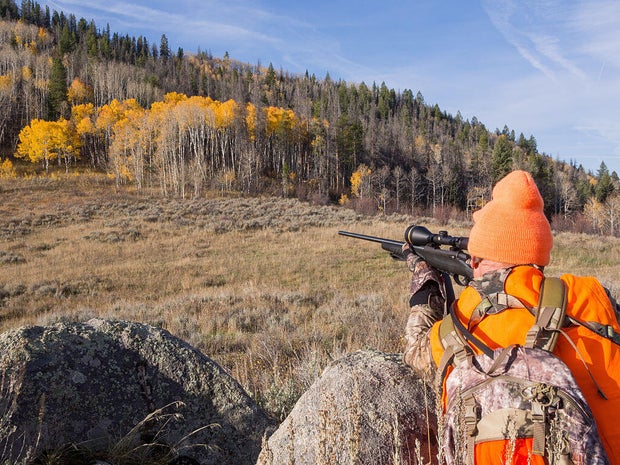
Hunters, anglers and conservationists are now pushing back with Amendment 83. It would give Coloradans a constitutional right to hunt and fish and specify that hunting and fishing are the preferred means of managing fish and wildlife populations in Colorado.
Opponents say it will restrict the state's ability to put guardrails on hunting and fishing and undermine regulations already in place.
The amendment specifically says the right to hunt and fish does not apply to "nongame species, endangered species or any species that is illegal to hunt under federal law" and does not "authorize trespass on private property".
It also says it doesn't limit the state's ability "to regulate hunting, fishing and wildlife management if the law is necessary for sound scientific wildlife conservation and management, public safety or to preserve the future of hunting and fishing opportunities for all species statewide."
Opponents say what's "necessary" is open to debate.
The law, they say, uses vague language to create legal loopholes. For example, it guarantees the right to hunt and fish by "traditional methods," but it doesn't define what those are.
Opponents say it could be used to repeal bans on leghold traps, bear baiting and wildlife killing contests. They also worry it will give hunting and fishing preference over other forms of outdoor recreation, resulting in more places being closed off to hiking and mountain biking, for example.
But proponents say those arguments are red herrings. They say the amendment doesn't repeal any current laws or regulations and doesn't elevate hunting and fishing over hiking and biking.
Twenty-four other states have similar laws, they say, and none have resulted in the repeal of existing restrictions.
Opponents say it's not for a lack of trying, pointing to North Carolina where the constitutional right to hunt was used to challenge regulations around hunting migratory birds and hunting deer with dogs.
If Amendment 83 passes, they say, it's all but certain to end up in the courts where decisions about wildlife management will be made by judges, not scientists.
If it fails, proponents say decisions will be left to the whims of politicians and activists, not Colorado Parks and Wildlife.
They say the state's economy also depends on hunting and fishing, which generate billions of dollars and employ thousands of people as well as provide funding for habitat restoration and species recovery.
They've raised nearly $2 million, largely thanks to a pro-hunting group from Wisconsin called the Theodore Roosevelt Conservation Alliance.
Opponents, including several animal rights groups, have raised about $6,800.


