What's the age of your brain? Neurotechnology study by Colorado doctor has the answer.
Two years after Colorado passed a first-in-the-nation law to ensure our private thoughts remain private, Congress is now following suit.
A bill in the U.S. Senate aims to protect our neural data or brain waves. It comes as neurotechnology rapidly advances.
Big-tech companies have developed devices that can restore partial vision, translate thoughts into words, and allow paraplegics to move cursors with their minds.
While most of those devices are still being tested, there are dozens of others you can buy online.
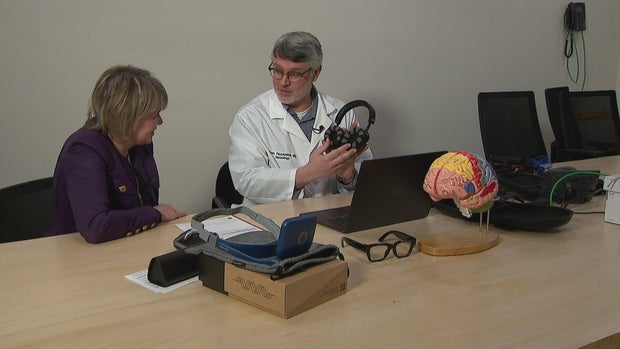
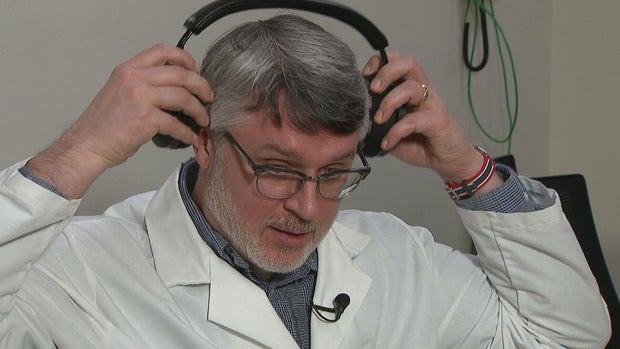
From headphones that can tell the age of your brain to a headband that can help rewire your brain, consumer neurotechnology devices are unraveling the mysteries of the mind, and Dr. Sean Pauzauskie is among those probing their potential.
"The more you can map out the function of the brain, the more you can change it," said Pauzauskie.
A neurologist at UCHealth, he's using devices - including headphones embedded with medical-grade brain sensors - to study everything from amnesia to dementia to epilepsy.
"We are learning there are patterns in the brainwaves and in the data that help predict when a seizure is about to start," said Pauzauskie.
Pauzauskie says the wearable devices allow him to track seizures as they happen and, using artificial intelligence, decode brain waves to predict and even prevent seizures, "In terms of health and public safety, these could be a game changer."
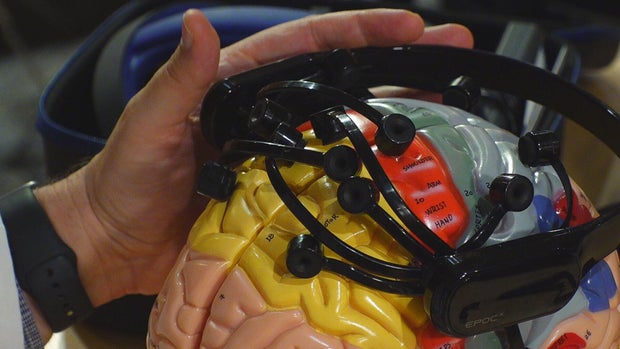
AI has done what humans couldn't do - decipher encrypted patterns in our brain waves, patterns that change as we age.
Pauzauskie is hoping to flag those changes early so he can slow - perhaps even prevent - dementia and Alzheimer's in some patients.
"If your measured brain age was higher than your biological age, then you might be a candidate for intervention," said Pauzauskie.
Interventions include the Muse, which highlights specific regions of the brain and, using electrical stimulation and neurofeedback, rewires the brain to help with everything from depression and anxiety to addiction and phobias.
Pauzauskie is studying it for brain fog. By using real-time brain activity, he can see its effectiveness.
There are devices that use music to regulate mood, light to increase creativity, and glasses and a wristband that allow for hands-free use of your phone and computer. There are even sensory shoes that promise to stimulate the mind and body.
"It's really the proliferation of these tools and different options that are going to drive the insights, both medical and wellness, when it comes to the future of brain health and really human flourishing when it comes to the brain," says Pauzauskie.
But the ability to identify specific brain wave frequencies associated with specific conditions also raises ethical concerns, especially when private companies have access to that brain data.
Pauzauskie, who is the Medical Director of the Neurorights Foundation, led the passage of Colorado's law, which expands the state's privacy act to cover brain data.
He is now working on similar bills in other states and helped draft the Management of Individuals' Neural Data - or MIND Act - at the federal level.