Federal Reserve raises interest rates for the first time since 2023
The Fed increased its benchmark rate by 0.25 percentage points to battle resurgent inflation driven by soaring energy prices.
Watch CBS News
The Fed increased its benchmark rate by 0.25 percentage points to battle resurgent inflation driven by soaring energy prices.

Whether you have a balance on a credit card or are thinking about buying a car or a home, the increased interest rate by the Federal Reserve may impact your financial goals.
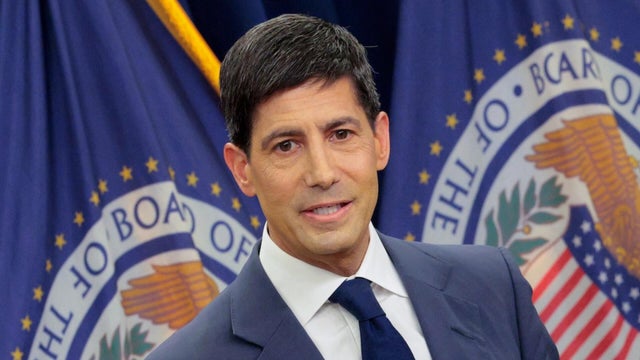
Announcing the first interest rate hike since 2023, Federal Reserve Chair Kevin Warsh says the decision comes at a time when the economy appears to be strengthening.
The Federal Reserve raised interest rates for the first time since 2023 on Wednesday, reversing course as the Iran war drives up global energy prices and fuels inflation.
The report comes at a pivotal moment for the Federal Reserve, which is scheduled to meet next week to decide whether to hike interest rates.
Strong hiring last month was driven by gains in education and in leisure and hospitality, with the nation's jobless rate remaining steady at 4.1%.

The Personal Consumption Expenditures index was unchanged from June, highlighting stubborn inflationary pressures.
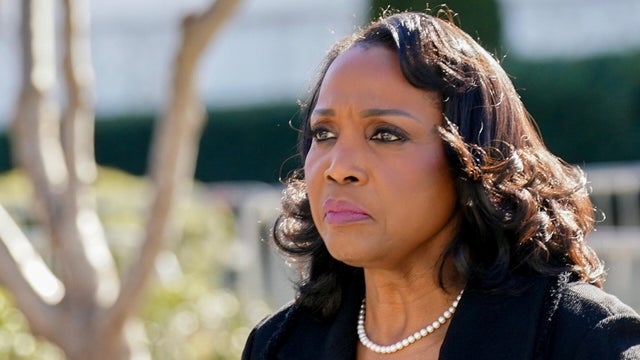
The White House has informed Lisa Cook, a member of the Federal Reserve Board of Governors, that President Trump is considering firing her.
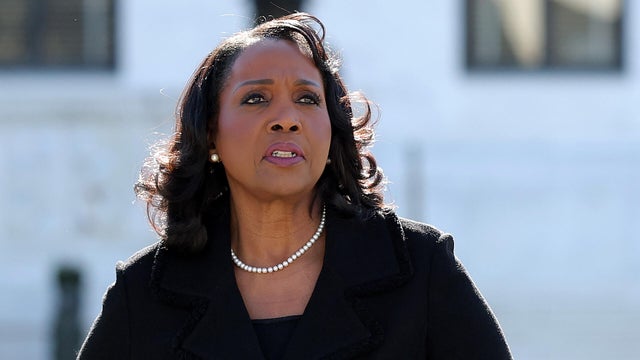
The Supreme Court allowed Lisa Cook to continue in her post as a member of the Federal Reserve Board of Governors while legal proceedings over President Trump's attempt to fire her continue.
The U.S. Supreme Court issued a split ruling on major cases regarding the president's ability to fire and hire members of independent executive boards at will, ruling the president does have that authority - except in the case of the Federal Reserve, which it held is uniquely independent.
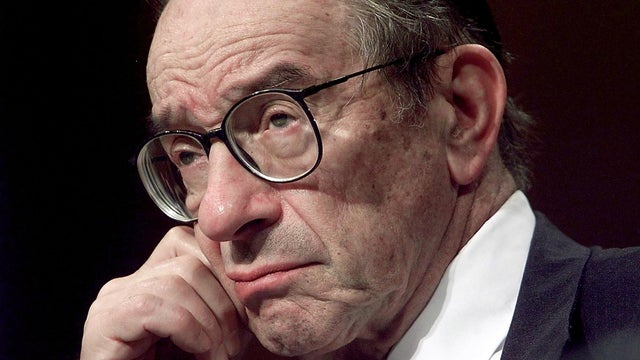
Alan Greenspan's lengthy reign at the Federal Reserve coincided with a period of stability from the mid-1980s until 2007.
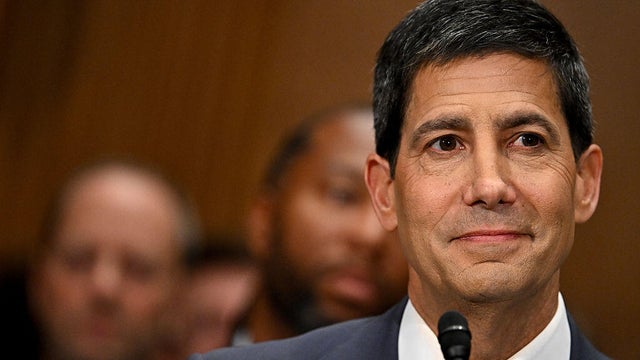
New Fed Chairman Kevin Warsh is stepping in at a critical juncture for the U.S. economy, with inflation at its highest level in more than three years.
The policy meeting comes after the government said inflation had risen to a three-year high. As CBS News Business Analyst Jill Schlesinger explains, the Federal Reserve is expected to keep interest rates stable.
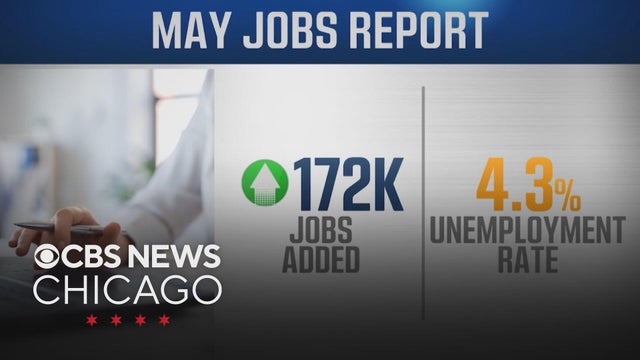
After a stronger than expected May jobs report, despite rising inflation and economic pessimism, the Federal Reserve is unlikely to cut interest rates as President Trump has demanded.
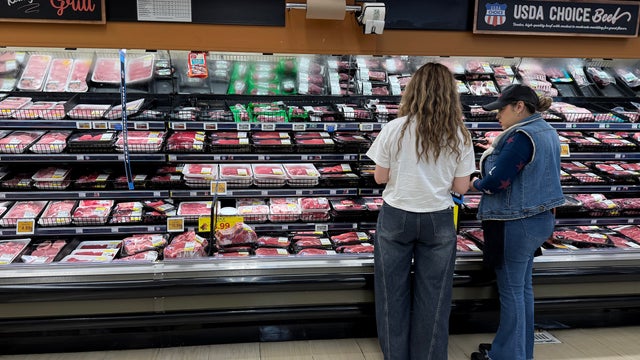
The personal consumption expenditures price index, the Federal Reserve's preferred gauge of inflation, jumped due to higher energy costs.
CBS News Business Analyst Jill Schlesinger has a breakdown of what the Fed is expected to do, and what it could mean for borrowers and savers.
For now, fed policymakers left short-term interest rates where they are, between 3.5-3.75%.

Fed officials are grappling with a host of economic challenges, from stubborn inflation to a slowing job market.
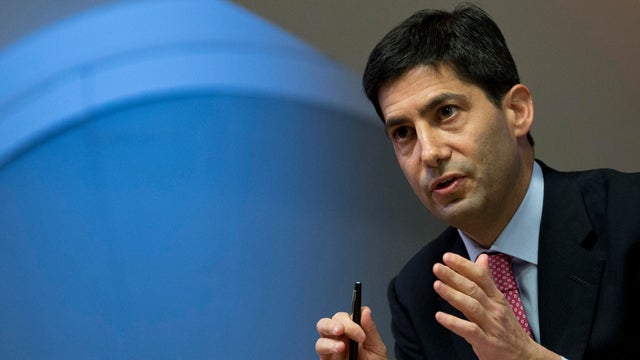
President Trump says he is nominating Kevin Warsh to be the next chair of the Federal Reserve, filling a powerful economic policy role as the president pushes for lower interest rates.
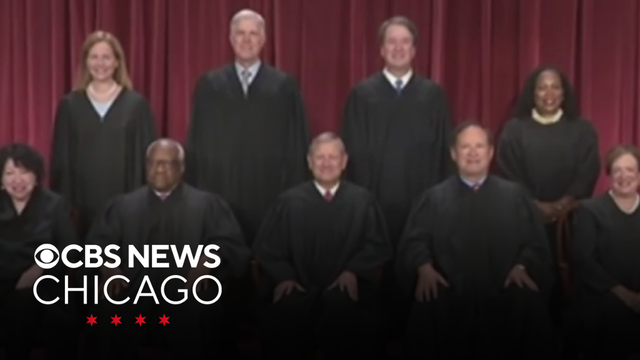
The U.S. Supreme Court heard oral arguments Wednesday in a high-stakes case that could have a major impact on the independence of the Federal Reserve. At issue is the legality of President Trump’s attempts to fire Lisa Cook from her post on the Board of Governors of the Federal Reserve.
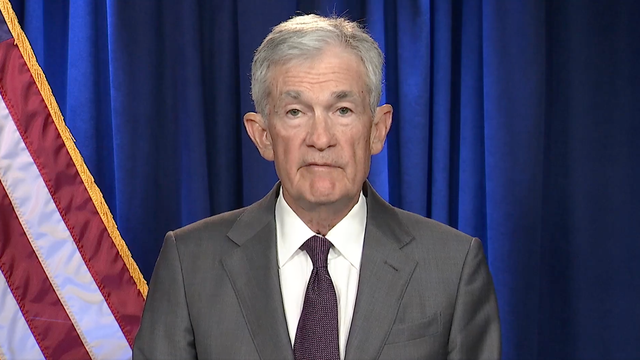
The subpoenas threatened a criminal indictment related to Jerome Powell's testimony before the Senate Banking Committee in June 2025, according to the Fed chair.
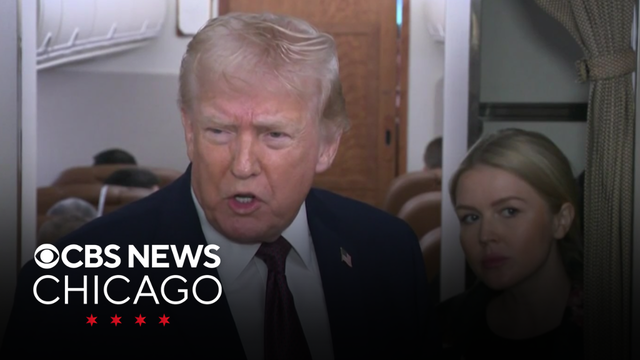
Meanwhile, Federal Reserve Chairman Jerome Powell is now facing a criminal investigation. Bradley Blackburn reports.
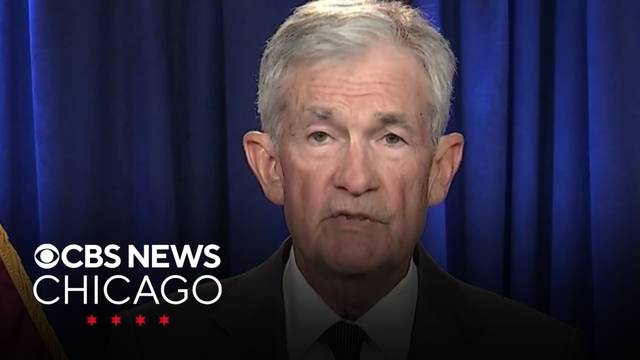
Federal prosecutors claim Powell lied to Congress when he testified last year about the cost of the renovation of the Fed’s D.C. headquarters.
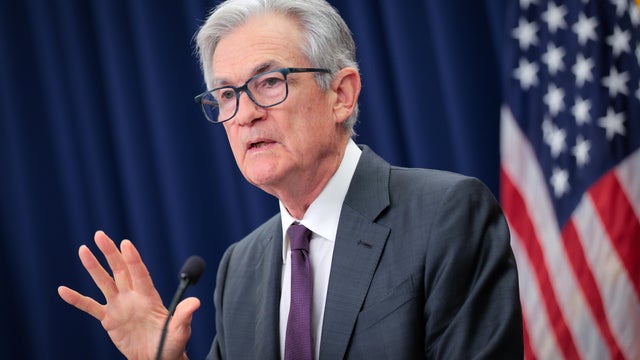
The Federal Reserve is grappling with economic issues including higher inflation and a slowing labor market.

The Federal Reserve is meeting to discuss a potential interest rate cut, with policymakers divided on the path ahead. As Lisa Rozner reports, this is happening as many Americans struggle to keep up financially.