Dow posts biggest gain of the year after Democrats sweep Congress
The Dow soared nearly 1,600 points, as Wall Street analysts predicted that political gridlock would limit Congress's ability to pass major tax and spending packages.
Watch CBS News
The Dow soared nearly 1,600 points, as Wall Street analysts predicted that political gridlock would limit Congress's ability to pass major tax and spending packages.
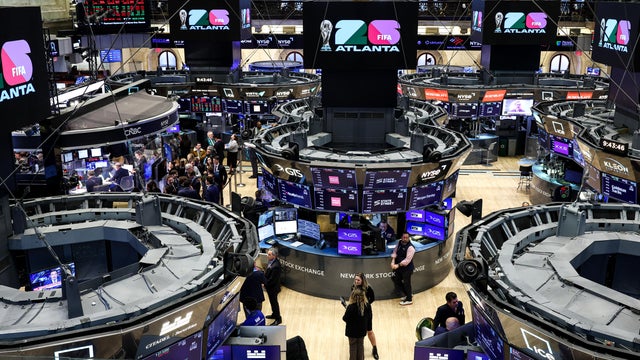
U.S. financial markets rebounded after shedding more than 1,200 points in earlier trading on Tuesday.

Higher tariffs will be imposed on more than 60 U.S. trading partners starting next week as the Trump administration passed their self-imposed deadline.
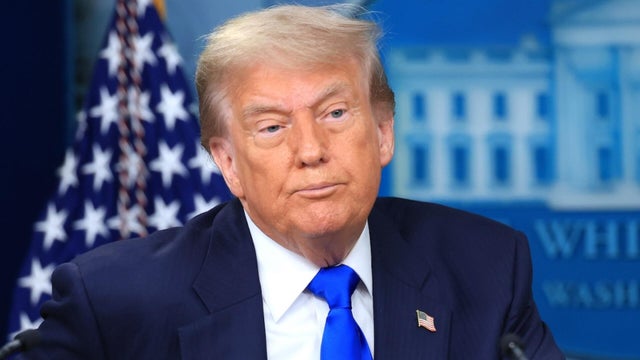
Markets fall on Monday after President Trump threatened 14 U.S. trading partners with steep tariffs starting August 1.

The U.S. labor market is growing slower than expected, with only 37,000 private sector jobs added in May, far below expectations of over 100,000 jobs, according to the ADP jobs report. Small businesses and manufacturing lost jobs.
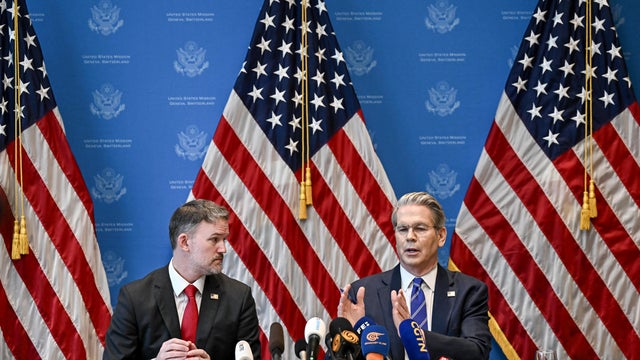
Stocks closed higher Monday as the U.S. and China moved to de-escalate their trade war, with investors eager for signs of a lasting agreement.

Stocks continued to tumble in the U.S. Friday as financial markets suffered their biggest two-day drop since 2020.

Stocks suffered their worst crisis since COVID in March 2020, as the Dow Jones plunged more than 2,200 points on Friday, over concerns about the fallout from President Trump’s tariffs. The NASDAQ and S&P lost nearly 6 percent. Posting on social media as he went golfing, the president called this “a great time to get rich.” But in a rare move, President Trump is calling on the Federal Reserve to cut interest rates. Fed chairman Jerome Powell warned on Friday that tariffs could do long-term harm to the economy.

Stock futures are pointing to another major drop in U.S. financial markets as global trade war risks rise.

Nasdaq also sinks more than 1,000 points as investors fret over the potential economic impact of President Trump's latest tariffs.

As the stock market recoiled from Pres. Donald Trump's announcement of reciprocal tariffs on what he called "Liberation Day," many average Americans feared for the cost of goods, their retirement savings, and the economy. So what do these tariffs mean for you and your wallet?

The Dow Jones Industrial Average dropped over 1,600 points Thursday while the Nasdaq sank more than 1,000 points as the stock market recoiled from President Donald Trump's announcement of reciprocal tariffs worldwide.

President Trump’s sweeping tariff plan sent shockwaves through Wall Street, with the Dow Jones dropping more than 1,000 points in the first 30 seconds of trading on Thursday, fueling fears of a recession.

The Dow Jones Industrial Average plunged over 1,400 points, or 3.5%, shortly after stock market trading opened Thursday in the wake of President Donald Trump announcing sweeping global tariffs Wednesday.

U.S. financial markets look set to crater in early as trade, with Dow future down nearly 1,300 points.
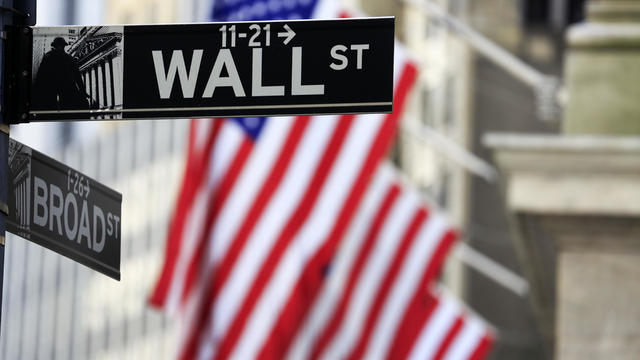
U.S. markets tumbled for a third consecutive trading day amid recession fears and tensions in the Middle East.

Stocks in the U.S. plunged for a third consecutive trading day, with the Dow Jones Industrial Average tumbling more than 1,000 points, amid growing fears of an economic downturn sparked by a sharp slowdown in hiring and weakening consumer spending.

Stocks in the U.S. fell for a third consecutive trading day, with the Dow Jones Industrial Average tumbling more than 1,000 points, amid growing fears of an economic downturn sparked by a sharp slowdown in hiring and weakening consumer spending.