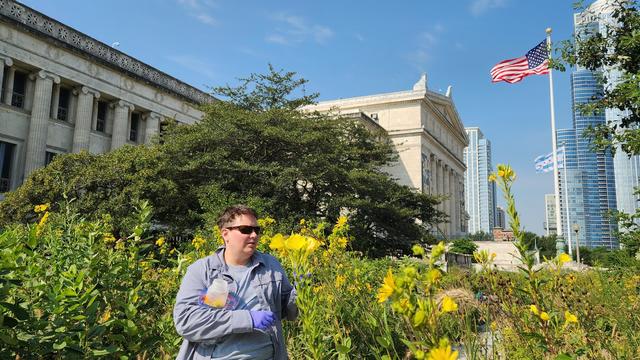
Celebrating queer botany during Pride Month in Chicago
From bisexual flowers to transgender weeds: the growing practice teaches that queerness is a natural part of all life.
Watch CBS News
From bisexual flowers to transgender weeds: the growing practice teaches that queerness is a natural part of all life.
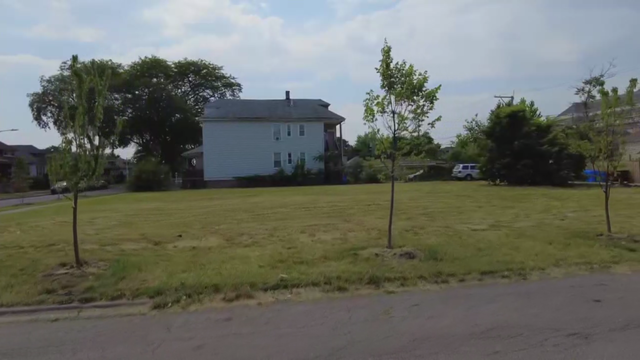
Neighborhoods without green space are more greatly impacted by climate change, and that is exactly what leaders of Our Roots Chicago are working to address.
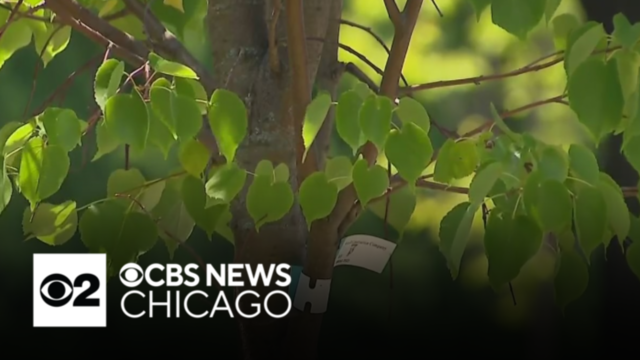
The Our Roots Chicago initiative is an effort to combat climate change by planting trees in disinvested neighborhoods. CBS 2 Climate Watch reporter Tara Molina reports.

Our Roots Chicago is planting thousands of trees in Chicago communities to fight climate change. CBS 2 Climate Watch Reporter Tara Molina reports.
Many headed out to the Crown Fountain at Millennium Park, the city's public pools, or other spots to cool off Monday afternoon. The city was also looking out for those with limited options. CBS 2's Tara Molina reports.
Also in HealthWatch in countries where women gain more gender equality, men eat more meat.
As temperatures rise, new research shows critical limits for how heat affects the body may be lower than previously thought. Humidity is a big factor.

When temperatures soar high, many rely on the heat index for safety alerts. The heat index tells us what conditions feel like on our skin. Environmental correspondent David Schechter reports.

Chicago residents want to see the state push for energy without a heavy carbon footprint.

Scientists who monitor the Great Lakes say Lake Michigan is warming by about one degree Fahrenheit every 20 years.
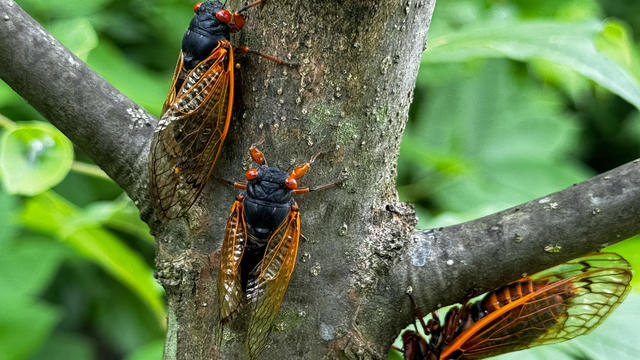
Periodical cicadas used to reliably emerge every 13 or 17 years — but spring arriving sooner interferes with the bugs' internal alarm clocks.
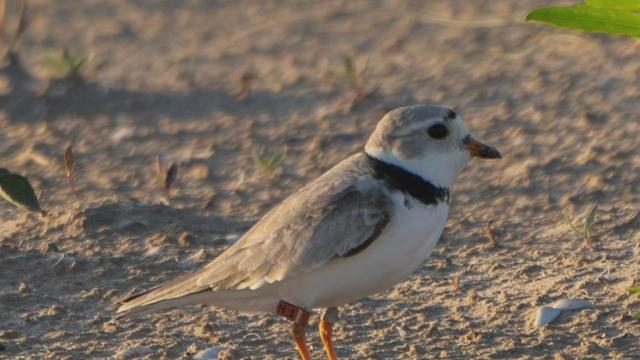
Another piping plover, believed to be female, returned to Montrose Beach on Wednesday, giving observers hope that there might be a love connection in the works.
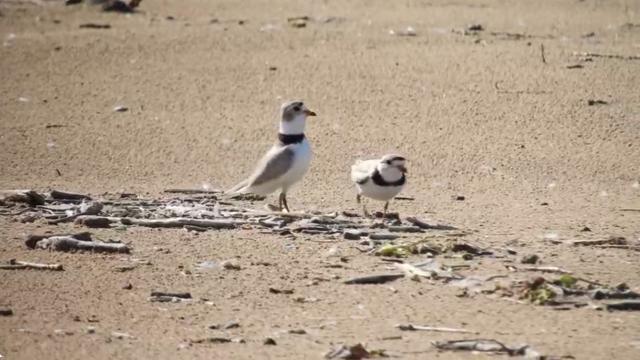
Their numbers dropped to only 13 pairs in 1990, but with the help of organizations like the Piping Plover Group, there are around 70 nesting pairs in the Great Lakes today.

A process called cryopreservation allows cells to remain frozen but alive for hundreds of years. For some animal cells, the moon is the closest place that's cold enough.

Their numbers dropped to only 13 pairs in 1990, but with the help of organizations like the Piping Plover Group, there are around 70 nesting pairs in the Great Lakes today. CBS 2's Tara Molina reports.
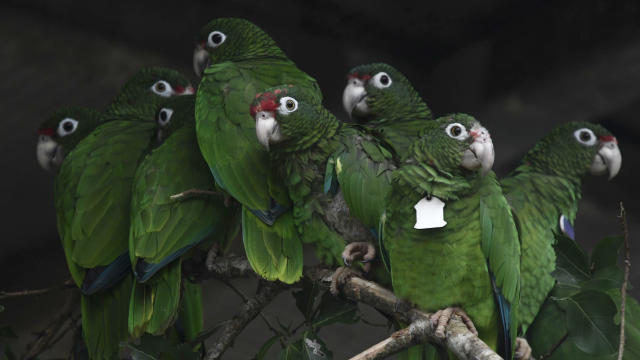
Scientists are using a range of tools to protect the endangered wildlife that could disappear in coming decades.

More than 100 nations, including the United States, have agreed to protect 30% of the world's oceans by 2030.
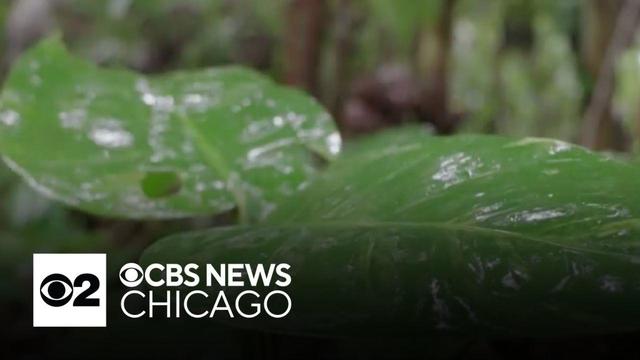
The small ecosystem in Puerto Rico where the study was conducted illustrates the consequences for the climate as a whole.
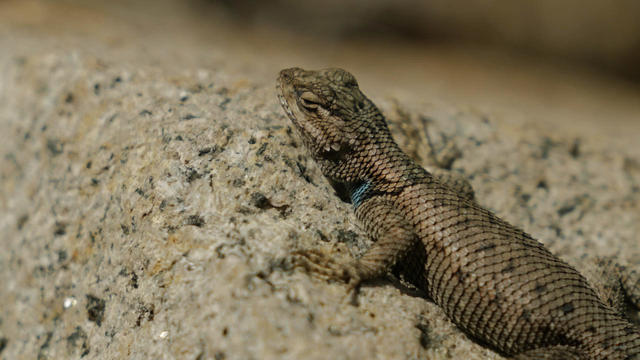
A disappearing lizard population in the mountains of Arizona shows how climate change is fast-tracking the rate of extinction.
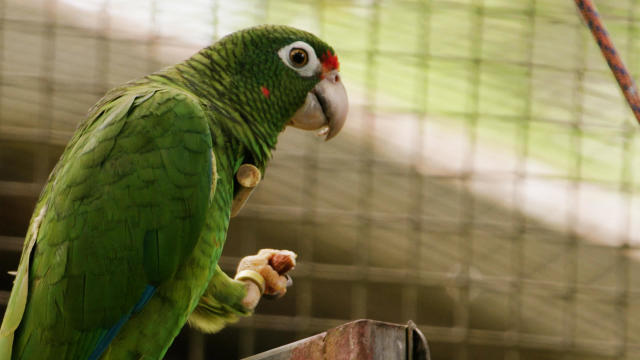
Hurricane Maria nearly wiped out an endangered parrot in Puerto Rico, highlighting the grave threat climate change-fueled storms pose to endangered species.
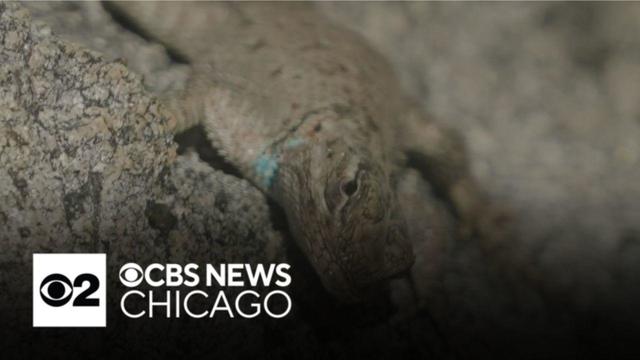
Leading up to Earth Day, CBS 2 shows you the dedication, creativity, and heart of people trying to protect life on Earth. National Climate Correspondent David Schechter has a sneak preview of his special airing on the stream.
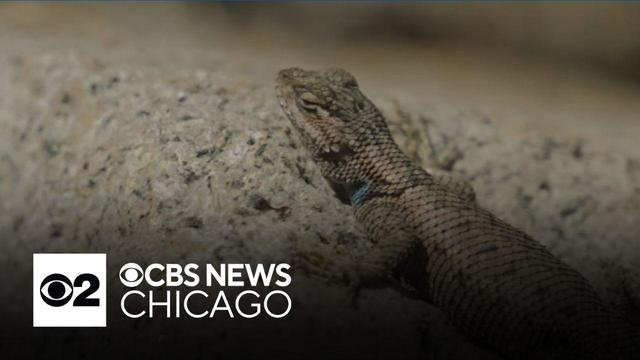
A million species on Earth are threatened with extinction, according to the United Nations, and one of the reasons is climate change. One scientist has been following a unique lizard getting forced out of its home to help tell the story about climate change and the future of our planet.
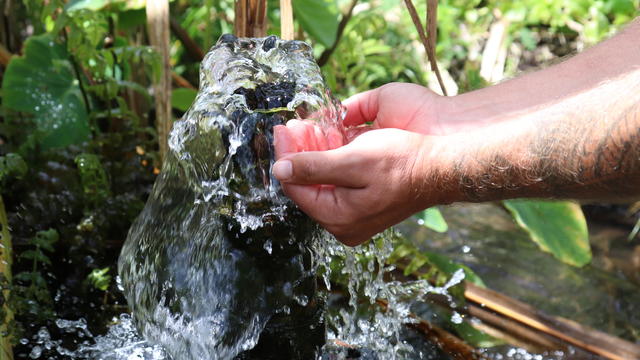
The island home to Hawaii's capital may be surrounded by ocean, but years-long drought conditions, tourist activities and contamination are jeopardizing the island's only source of freshwater.

The effects of climate change can be felt everywhere, from the severe weather across the U.S. this week to the shortened winters of recent years, but the biggest impact from climate change might be happening in some of the smallest towns in America. A new book by CBS national correspondent Jonathan Vigliotti aims to tie names and faces to the impact of climate change. It’s called “Before It’s Gone: Stories from the Front Lines of Climate Change in Small-Town America.”
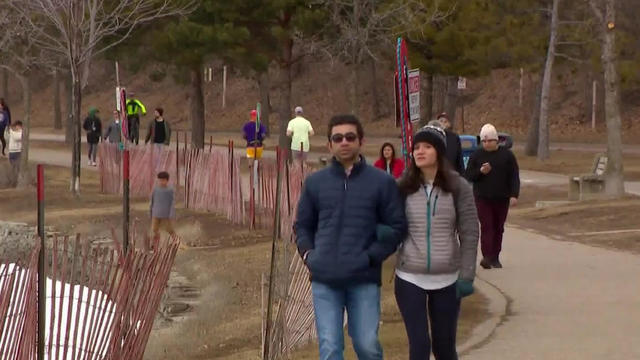
Because of climate change and the carbon being released, pollen really is everywhere. In fact, between 1990 and 2018, there was a 21% increase in pollen. CBS News' Dave Malkoff reports.