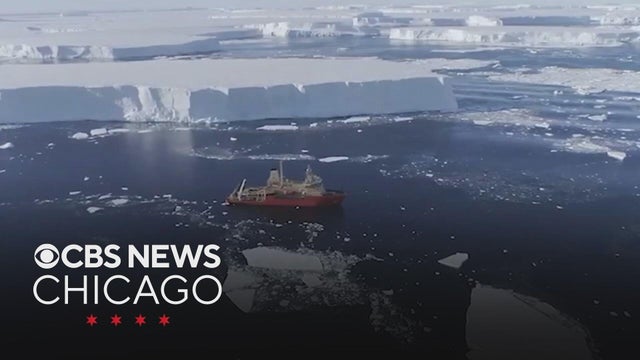
"Doomsday Glacier" melting "more aggressively" than previously thought
Scientists say the planet's widest glacier, the Thwaites Glacier in West Antarctica nicknamed the "Doomsday Glacier," is melting "more aggressively" than previously thought.
Watch CBS News
Scientists say the planet's widest glacier, the Thwaites Glacier in West Antarctica nicknamed the "Doomsday Glacier," is melting "more aggressively" than previously thought.
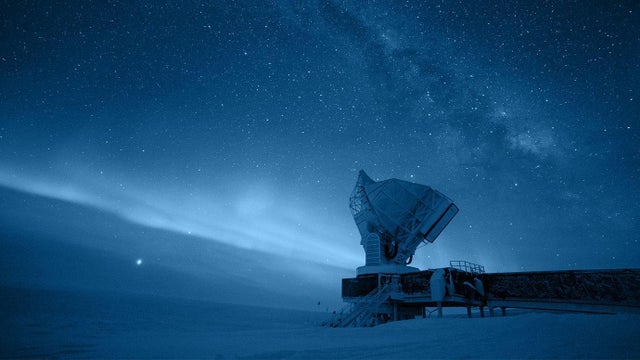
An effort led by University of Chicago researchers has led to the development of the sharpest and clearest map ever of mass in the universe.
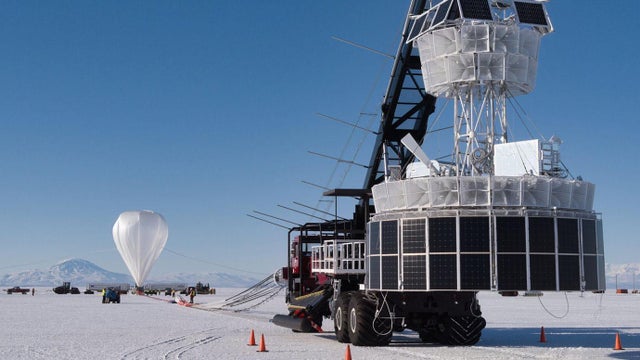
University of Chicago researchers have begun examining data collected by a device transported by a NASA balloon that flew over Antarctica for 23 days.

Scientists are delving into a frozen file of prehistoric secrets—and it's all packed in a chunk of ice.
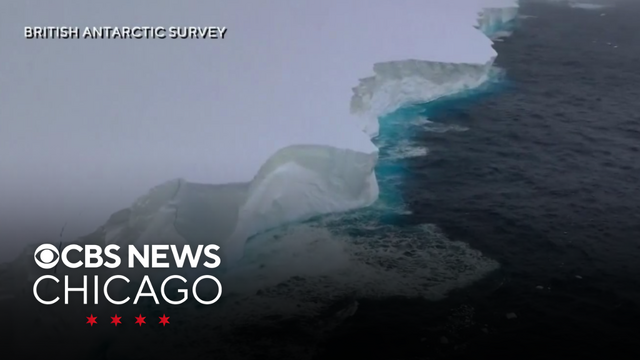
The iceberg broke off from Antarctica in 1986, and has been drifting in the southern Atlantic for years.
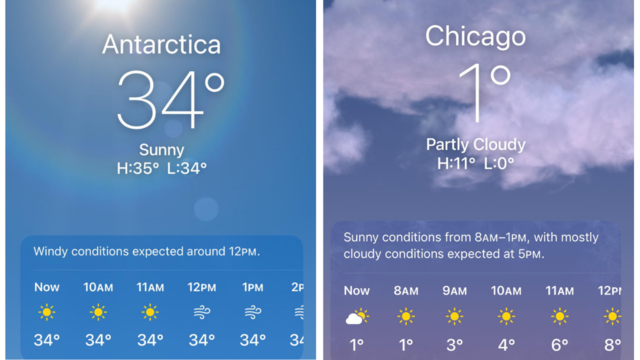
Monday's temperatures are in the single digits, but it's warmer in Antarctica, where highs are in the 30s.

To do that, he had to travel to Antarctica. Every day, the 12-member team travels by snowmobile to the work site and drills for old ice. Air bubbles in the ice give a glimpse into the past that can help scientists like Jacob Chalif predict future weather patterns.
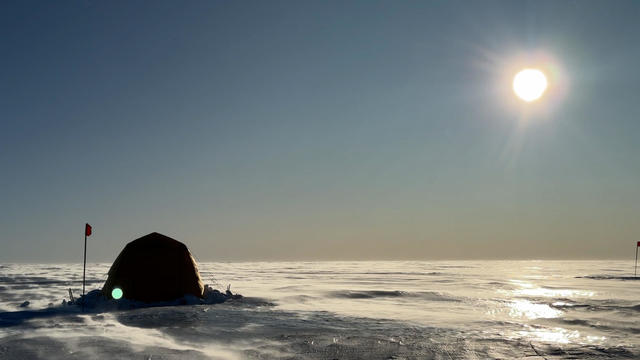
Their work near the South Pole means camping on the ice without showers or flushing toilets for seven weeks — but what we can learn about climate change there is essential to science.

The telescope reflector is made from two 20-ton blocks of aluminum.