Northwestern Medicine provides guidance for improving Black maternal health


The Centers for Disease Control and Prevention says more than 80% of deaths related to pregnancy are preventable, and Black women are three times more likely to die from pregnancy-related causes than white women.
Monday begins Black Maternal Health Week, and on Tuesday, Northwestern Medicine is hosting its third annual Black Maternal Health open house.
Chronic illness, economic status, and access to health care can all raise the risk for Black women. But it could also boil down how doctors listen to their patients, and whether those patients' pain is even acknowledged in the first place.
Experts emphasize that systemic racism underlies the issues facing Black mothers.
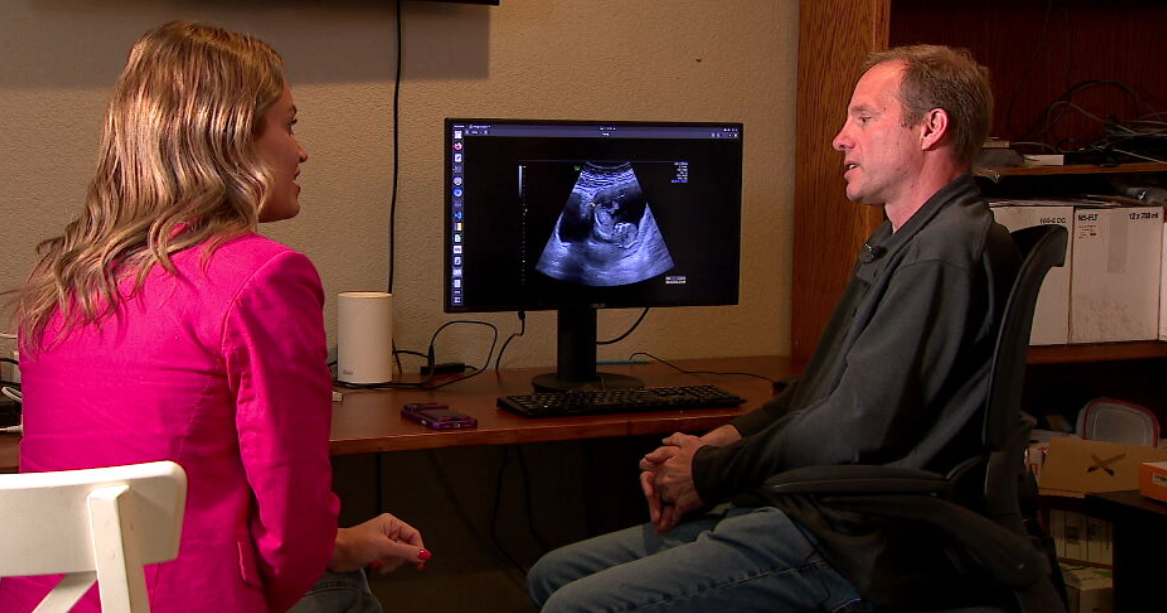
"We use race as a proxy for racism, and that can infiltrate all levels of medical care. One of the ways that we try and combat that is having a more diverse work field," said Northwestern maternal fetal medicine specialist Dr. Jacqueline Hairston. "Other reasons are that people have more medical problems, and when you're anticipating pregnancy, the goal is optimize care before pregnancy. But sometimes people have fears of physicians and hospitals, and so they get pregnant, but they haven't optimized medical problems."
Hairston emphasized the need to educate people about dangers that women can face during pregnancy and childbirth so as to prevent them.
"We think about some of the common causes like hemorrhage, which is heavy bleeding at the time of delivery, as well as high blood pressure, which can oftentimes have no symptoms, and so protocolizing care so that we have standardized approaches to how we manage heavy bleeding; how do we manage those really high blood pressures, can help improve care," she said.
Issues such as miscarriage are also a major concern.
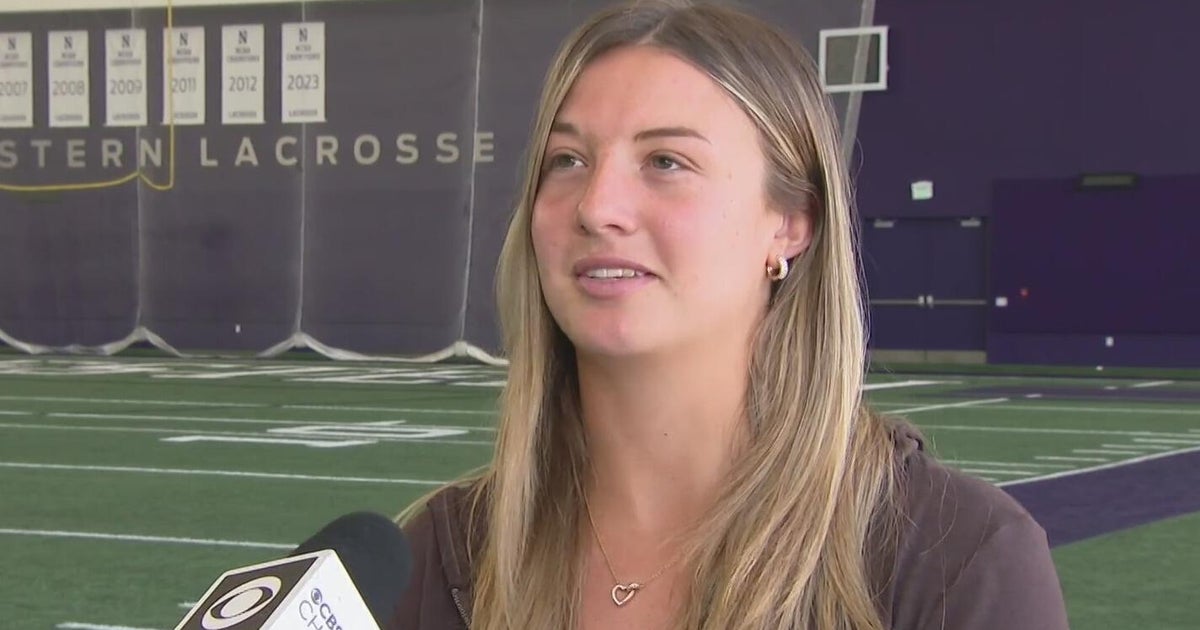
Daria Siler, a patient of Hairston's, said she lost a baby during her second trimester of pregnancy at another health system. She said her health concerns were not handled well at the time.
"The best way that I can describe it is dismissive. It felt dismissive. As a first-time mom, I don't really know what to expect. I didn't really know what to look for," Siler said. "I just remember having some symptoms that maybe are not common, or common maybe in pregnancy, and I was bringing those concerns to the providers, to their team, the nursing staff — and often I was met with, you know, 'This is kind of normal in the first trimester,' or. 'If you advance to this level, maybe there's bleeding or this, then come see us, but right now, it sounds like you're just experiencing what is a normal pregnancy.'"
When Siler met Dr. Hairston, the tone of her appointments changed.
"Definitely being heard," Siler said. "I felt like the littlest of things, whether it was pain or nausea, those things were met with, you know, understanding, and you know, some sort of, I guess, intervention to help me alleviate some of those things."
Hairston she emphasizes listening and ensuring that the patient is centered and heard.
"I think we have a lot of guidelines on how we should practice and the things that are recommended, and of course we address those," she said. "But there's the emotional connection in recognizing the experience that people had, and recapping that with patients, being trauma-informed, and saying, well. 'How can we make this pregnancy better?' Understanding that there's still no guarantee, but even in your experience in our offices, or for the remainder of your pregnancy during you ultrasounds, how can we tailor it to you?"
This could mean a few extra visits in the first or second trimester of pregnancy to alleviate patients' fears, Hairston said. Such an approach is not in the official guidelines, but Hairston said they are still useful to help put people at ease.
Siler said she found out as a patient at Northwestern, she learned she had a condition that where cervical tissue can open early and cause a premature birth or a miscarriage. She with Dr. Hairston at Northwestern, Siler also got some extra support and guidance, and hope.
"I didn't have any family members that had experienced or gone through what I went through. I learned by being at Northwestern that I had incompetent cervix, and there's a stigma that comes along with that itself," she said. "So I guess my hope is to let people know that even with something like an incompetent cervix, it's still possible you can still have a child and be successful in that."
The Improving Black Maternal Health Open House on Tuesday is open to everyone, pregnant or not.
"We really want people to get that education that they deserve to hear, and to the hot topics," Hairston said.
The free event will feature discussions on women's health topics, a question-and-answer panel with OB-GYNs, and a labor and delivery floor tour.
The open house is scheduled for 5 p.m. to 7 p.m. Tuesday, April 14, in the third-floor atrium at Northwestern Medicine Prentice Women's Hospital, 250 E. Superior St.