New report focuses on getting help for domestic violence abusers before situations escalate


Ending domestic violence is the goal of groups and advocates all over the world, and some experts in Chicago say it is time to become less reactive and more proactive when it comes to the people causing harm.
The need is critical.
In 2024, a total of 137 people died from a domestic violence crime — a figure up 14% from 2023, and an astounding 140% from 2022.
So what needs to change? That is the focus of a report issued in January called "Reaching People Who Cause Harm: A Landscape Scan of Policies, Funding, and Strategies to Prevent Intimate Partner Violence in Cook County." The report was commissioned by the Michael Reese Health Trust and the VNA Foundation.
The report focuses on abusers and their calls for help in stopping their own actions. In particular, the report highlights the fact that there are still very few options for people committing abuses who want help before entering the court system.
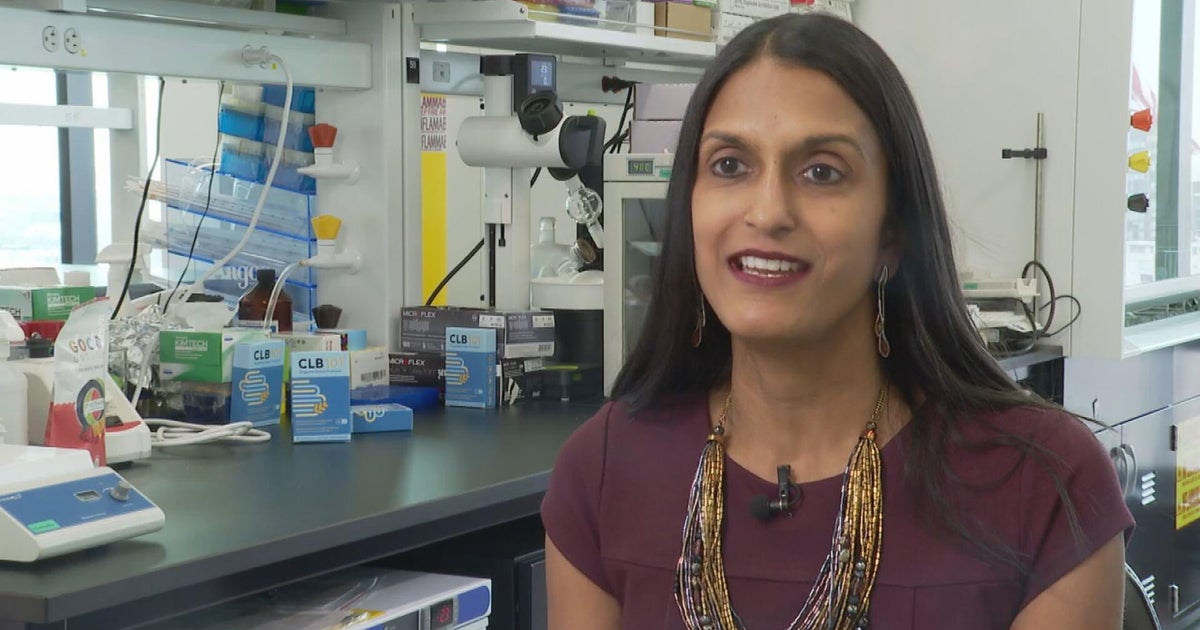
"One of the main things that we found is… this gap between services for people who are court-involved, and then people who want to voluntarily seek services," said Jennifer Rosenkrantz, senior program director of domestic violence with the Michael Reese Health Trust. "Over 200 people call the domestic violence every year, looking for help to stop."
The focus is usually on abuse survivors calling for help. But the new report focuses on the need for voluntary programming and support for people who cause harm. Rosenkrantz said there is a demand for such support.
"The work is important because we're never going to stop domestic violence unless we stop the people who are doing it," said Rosenkrantz. "This is going to create more safety for survivors, create more safety for families and children, and we're really excited about moving forward with some of the recommendations in the report."
The report in particular highlights a lack of funding for voluntary support options for abusers, and a lack of systemwide coordination for abuser-focused initiatives. Rosenkrantz said the Michael Reese Health Trust is partnering with The Network anti-domestic violence advocacy group to set up a hotline to prevent harm.
"Just like there is a hotline for survivors, we would like there to be a hotline for people who cause harm, that will connect them to needed services, and help them stop the behaviors that they're engaged in," Rosenkrantz said.
There would also be follow-up services such as counseling, Rosenkrantz said.
"The kind of standard program right now is a partner abuse intervention program in Illinois, and I think we need something that is short-term," she said. "We need another intervention for people who are seeking services voluntarily."
She said such services are needed not only before a situation escalates to the point of needing the court system involved, but also before anyone else is hurt.