New Illinois laws in 2026: Gun safety, squatters, medical assistance in dying, immigration and more


A host of new laws in Illinois will take effect on Jan. 1, 2026. From gun safety to rogue towers, protection from squatters, medical assistance in dying for terminally ill patients, protections for immigrants and more, here are some of the most notable changes in the new year.
Criminal Justice and Law Enforcement
Gun Safety: SB 8
Illinois gun owners will need to take new steps to secure firearms in their homes in 2026, especially when children are present.
Senate Bill 8, also known as the Safe Gun Storage Act, prohibits gun owners from storing their weapons in an unsecured way in any location where they know it could be accessed by a minor, a person at risk of harming themselves or others, or by a person prohibited from possessing a firearm.
Gun owners must keep their weapons in a locked container that makes them inaccessible or unusable by anyone other than their owner. Violators are subject to a fine of as much as $10,000.
The law also mandates gun owners report lost or stolen firearms to police within 48 hours of discovering they're missing, down from the previous 72-hour legal requirement.
Protecting survivors of domestic abuse and sexual violence: PA 103-1031
Known as the Safe Homes Act, this legislation aims to protect survivors of domestic violence, dating violence, sexual assault and stalking and their families to flee existing dangerous housing without monetary consequences that could keep them in dangerous situations.
Survivors have the right (https://dhr.illinois.gov/legal/summary-of-rights-for-safer-homes-act.html) to end their lease early and not pay future rent if you move out of a rental because of domestic or sexual violence, or the threat of it. Written notice must be given to landlords before or within three days of leaving. Once they have left, survivors are not responsible for early rent and cannot be charged an "early lease break free."
Survivors also have the right to change their locks in a rental to prevent further violence. If your landlord tells your future landlord that you broke your previous lease using the Safe Homes Act, or share any information provided to them related to the Act, they are liable for damages up to $2,000 and reasonable attorneys fees.
The law also includes confidentiality protections to keep survivors' information private.
Police Background Checks: SB 345
Also called the Sonya Massey Act, this law prohibits law enforcement agencies from hiring an officer with less than a 30-day review of the officer's background. The bill was passed in response to the murder of Sonya Massey by Sangamon County Sheriff's Deputy Sean Grayson when he responded to her home for a report of a possible prowler.
Under the law, a police department or sheriff's office making a hire must request employment personnel files from previous employers, including other law enforcement agencies, and those previous employers are required to share the information within 14 days.
Applicants are required to sign a document authorizing the release of information, which includes police discipline databases, military service records, employment history, criminal history, academic credentials, a credit check, driving records and more.
Human Trafficking: HB 2602
Illinois will no longer have a statute of limitations on cases of human trafficking of a minor. Victims of involuntary servitude, involuntary sexual servitude of a minor, or trafficking will no longer be beholden to a 25-year window to pursue charges from any crime that happened while they were a minor.
The bill was unanimously passed by the General Assembly.
Missing Person Reports: SB 24
This law makes it illegal for police departments from establishing waiting periods before they accept a missing persons report, and requires them to immediately enter information about a person reported missing into the Law Enforcement Agencies Data System (LEADS).
The law also requires police to keep cases open until the person is located.
Missing people with developmental disabilities: SB 1548
This law creates a Golden Search Task Force that will work with the current Endangered Missing Person Advisory system to create missing persons alerts for people with developmental disabilities and teach people and organizations across the state the best practices to recognize and respond when a person with developmental disabilities goes missing.
Police K-9 retirement benefits: HB 3140
Illinois is now taking care of its retired K-9 officers under this new law which instructs Illinois State Police to provide funding for veterinary care for retired police dogs. Handlers or adopters of retired police dogs will be eligible for a grant up to $1,500 in reimbursement for veterinary care.
Public Safety
Removing squatters without eviction proceedings: SB 1563
Illinois' "Squatter Bill" makes it easier for police to remove squatters from someone's home, bypassing the months-long eviction process.
Under previous law, squatters could stay in a property as the require court process unfolded. Now, police can treat them as criminal trespassers, removing them on the spot if the owner provides proof of rightful ownership. And by reclassifying them as criminal trespassers, the squatters cannot use loopholes in landlord-tenant law to remain at the property.
Rogue tower crackdown: SB 2040
As the state continues to crack down on rogue towers, this new law allows the Illinois Secretary of State's Office to impound unregistered tow trucks and suspend tow truck registrations for unpaid Illinois Commerce Commission fines . There are potential penalties of up to $1,000 per violation.
Tow operators must register their business and storage locations, and licenses will be issued to individuals instead of just companies, which legislators said will make it harder for rogue drivers to re-register after violations.
The law prohibits tow trucker operators from monitoring police scanners, and they are also forbidden from placing liens on persona items left in towed vehicles.
Finally, the law creates a three-year ban on fraudulent towers from getting new licenses.
Immigration
Protection for immigrants at courthouses and other sensitive locations: HB 1312
This new law, which was passed at the height of federal immigration enforcement this fall under Operation Midway Blitz, prohibits civil arrests in and around Illinois courthouses, and allows anyone falsely arrested around or at court to sue for up to $10,000 in damages.
The law requires Illinois universities to draft new rules of allowing law enforcement on campus, and restricts a number of decisions based on the real or perceived immigration status of students and staff. State-licensed daycares are now required to post know your rights information at each facility, tighten conditions on sharing documentation with law enforcement, and develop action plans for if immigration agents show up.
Hospitals now have new healthcare sanctity and privacy requirements for law enforcement visits, tighter guidelines for releasing health information and instructions to protect information about patients' immigration status.
Safe Schools for All Act: HB 3247
This law guarantees every child in Illinois the right to free K-12 public education regardless of immigration status. It prohibits schools from excluding students or parents from programs or activities based on immigration status, prevents schools from asking or sharing immigration information, and limits immigration agents from entering schools without proper warrants and a clear purpose.
The law builds on a 1982 Supreme Court case, Pyler vs. Doe, which found that a Texas statute that withheld state funding from any local school district for educating undocumented immigrants violated the 14th Amendment.
Health and Health Insurance
Medical Aid in Dying: SB 1950
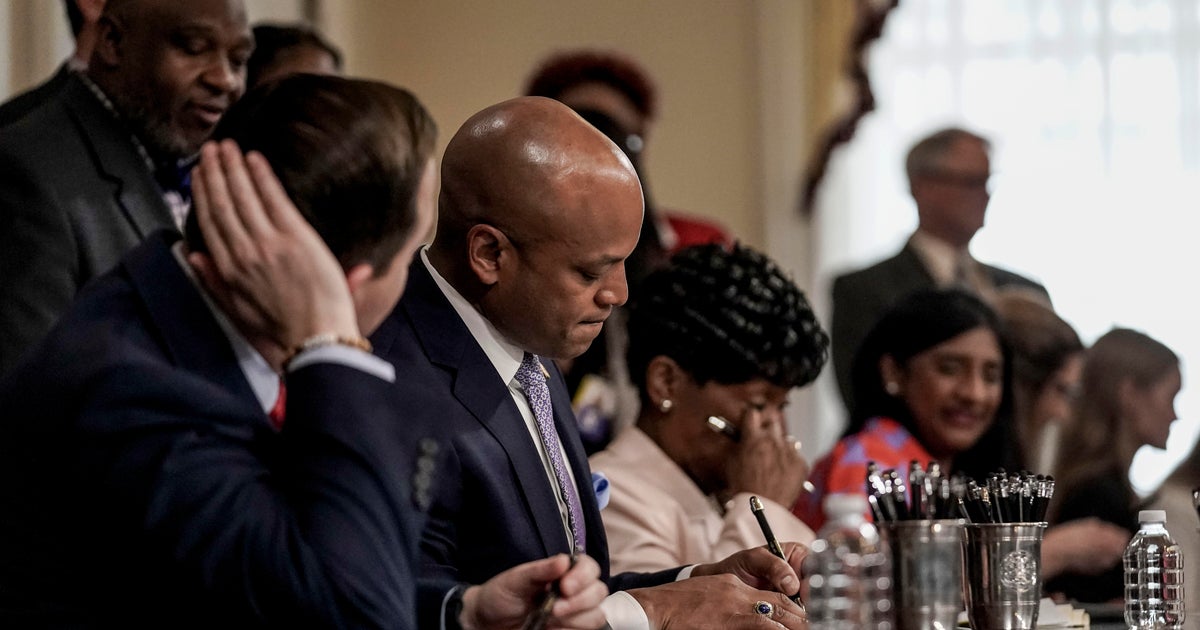
Illinois became the first state in the Midwest and 13th state overall to legalize medical assistance in dying for terminally ill residents when Gov. JB Pritzker signed SB 1950, also known as Deb's Law, on Dec. 12.
The law allows patients with a terminal illness and a prognosis of six months or less to live to obtain medication prescribed by a doctor to end their lives on their own terms.
The law requires two doctors to determine the patient has a terminal disease and will die within six months. The medication must be requested verbally and in written documentation, and must be self-administered. The law also requires all patients opting for medical aid in dying to be fully informed of all end-of-life care options, including comfort care, hospice, palliative care and pain control.
Expanded Illinois health insurance coverage: SB 2672, HB 3248
Two new laws expand what Illinois health insurance must cover starting on Jan. 1. SB 2672 requires insurers to cover name-brand drugs if generics are out of stock, specifically when supply shortages are affecting access to the generic. It applies to group and individual health insurance policies, as well as managed care plans in Illinois.
HB 3248 requires Illinois health insurance plans to cover laser hair removal that is considered medically necessary as part of gender affirming care.
Implicit bias and maternal mortality: HB 2517
This law requires the Illinoi Department of Public Health to create professional development programs for healthcare workers to address implicit bias and racial disparities in maternal health treatment and the impact of these disparities on Latino, Black and Native American mothers. These courses must include training on potential maternal health risk factors associated with increased maternal mortality rates in minority women.
Illinois cremation scattering rights: SB 1793
A new law allows families to scatter their loved ones' cremated remains in Illinois rivers when their religious faith calls on them to scatter the remains in water. Illinois law had already allowed families to scatter cremated remains in designated areas of cemeteries. An update to the Crematory Regulation Act allows mourning families to also scatter a loved one's remains in any Illinois river, as long as the remains are limited to the ashes of one person, are spread out over an area large enough to avoid the ashes accumulating, and the scattering is done out of sight of the public. Any scattered remains must include only ashes, and not other objects such as a cremation identification disc, body prosthesis, or artificial organs.
Hospital emergency contact law: HB 1332
A new law requires Illinois hospitals to provide patients – or their legal representatives – the opportunity to designate an emergency contact when the patient is admitted and before they are discharged. If the patient dies or experiences a significant change in their condition, the hospital must notify the emergency contact and keep a record of any attempts to reach them.
Taxes, Consumers and Workers' Rights
Illinois grocery tax elimination
Starting Jan. 1, 2026, the state of Illinois is eliminating the 1% sales and use tax on groceries. Individual counties and municipalities are allowed to impose a local grocery tax of 1% if they choose to, subject to the approval of the Illinois Department of Revenue.
Paid breaks for nursing mothers: SB 212
Known as the Nursing Mothers in the Workplace Act, SB 212 requires Illinois employers to provide 30 minutes of paid break time to nursing mothers so they can pump breast milk while at work, at any time they need to pump, for one year after their child's birth. The law prohibits employers from making an employee to use paid leave for that pumping time, or to reduce their compensation in any other way.
Expansion of SNAP benefits for veterans: SB 0032
Starting in the new year, more Illinois military veterans will be able to qualify for food stamps, subject to federal approval of new eligibility rules in Illinois. Currently, veterans only qualify for Supplemental Nutrition Assistance Program benefits if their household income is at or below 100% of the federal poverty line. A change in Illinois law would allow veterans to qualify for food stamps if their household income is at or below 200% of the federal poverty line. The federal poverty line is updated every year, and varies depending on the size of the household.
No AI discrimination against workers: HB 3773
Starting in the new year, it will be illegal for Illinois employees to use AI – both traditional artificial intelligence programs long in use and generative AI - that discriminates against workers based on any legally protected classes like race, gender, sexuality, age and more. It is also illegal for these AI programs to use zip codes as stand-ins for those traits. The law applies to AI usage in all employment areas pertaining to hiring, promotion, job training, recruitment, privileges, tenure, discipline, job renewal and more.
Hotel soap phase-out: SB 2960
While this law was originally signed in 2024 and began taking effect for hotels with 50 rooms or more on July 1, the second phase of the bill kicks in on Jan. 1, and applies to all hotels. Toiletries like shampoo, conditioner and bath soap in plastic containers that are less than 6 oz. cannot be provided by hotels unless specifically requested by a guest.
Hotels in violation get a written warning for the first offense, and then fines of up to $1,500 for each subsequent violation.
The law aims to reduce the industry's single-use plastic footprint.
Reservation reselling crackdown: HB 2456
This new law prohibits third-party reservation services from selling reservations without a restaurant's permission. Restaurants are still allowed to partner with these services and apps.
Gym membership scams: SB 314
This new law stops gym and fitness centers from canceling or changing benefits promised in a lifetime membership at least 60 days before the membership is automatically removed, a practice lawmakers called a "common scam" in the physical fitness industry.
Leave for organ donation: HB 1616
The Employee Blood and Organ Donation Act allows part-time employees to take paid leave for organ donations, a right previously only extended to full-time employees.
Infrastructure
Road Safety and DMV Modernization: HB 2938
New multi-pronged legislation provides clarification on cheating on DMV exams, allows the office to administer written tests online and enhances bicycle safety.
The measure clarifies that any attempt to have someone else provide answers to an individual taking a DMV exam, including attempts to use a hidden microphone or cell phone, constitutes cheating.
It also enhances the office's Rules of the Road publication to include information about the laws and best practices for safely sharing the road with bicyclists and pedestrians. In addition, it requires that before passing a cyclist, a driver of a vehicle must make a lane change.
HB 2983 was sponsored by State Representative Edgar González Jr. (23rd District – Chicago) and State Senator Steve Stadelman (34th District – Rockford).
Capitol News Illinois contributed to this report