Mayor Brandon Johnson vetoes Chicago ban on most intoxicating hemp products

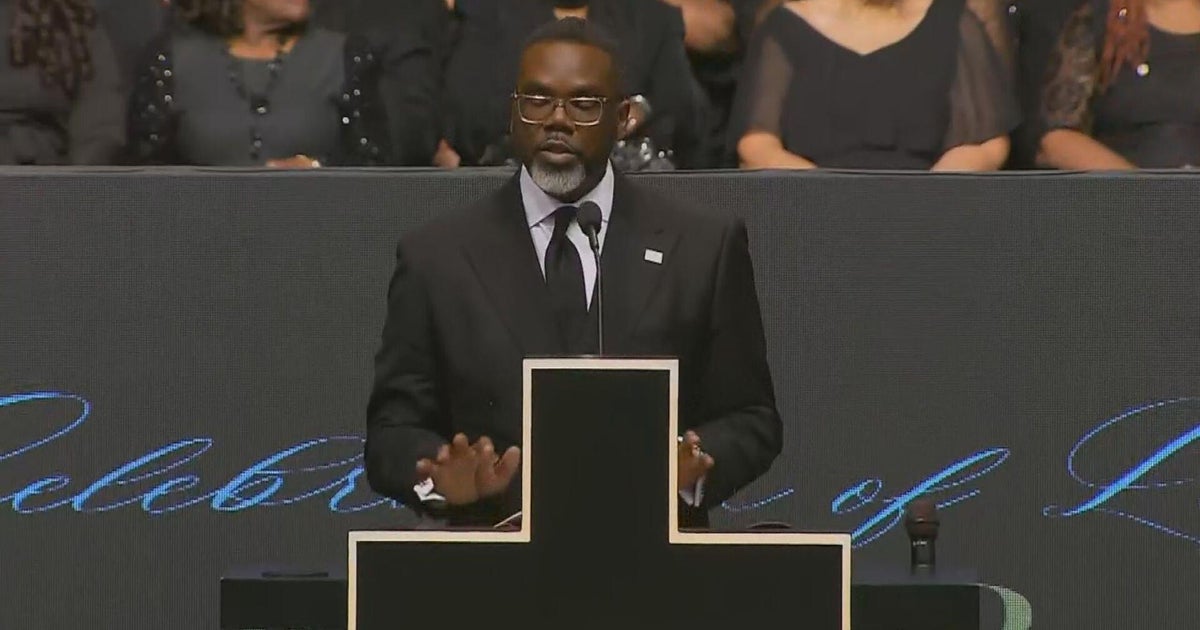
Mayor Brandon Johnson on Friday vetoed an ordinance banning the sale of most intoxicating hemp-derived products in Chicago.
"I made the decision to veto this ordinance because I continue to have significant concerns around the current proposal and the potential negative impacts this prohibition-style ban could have on our city," Johnson said in a statement.
The ordinance was passed by the City Council last month by a 32-16 vote. It would have immediately banned the sale of intoxicating hemp products to those younger than 21, and would ban the sale of most intoxicating hemp-based products starting April 1.
It would take 34 votes in the City Council to override the mayor's veto.
The ban would have included exemptions for beverages, additives, topical creams, and pet products. While licensed bars and restaurants would be able to sell hemp-based beverages and additives, only licensed cannabis dispensaries would be allowed to sell other hemp-based products not outright banned by the ordinance.
"The ordinance protects some establishments at the expense of many of our small businesses who have been following the law and deserve to have a seat at the table," Johnson said in a statement. "Many of these businesses are Black- and brown-owned. Many are operated by entrepreneurs who were shut out of the expensive cannabis licensing process and turned to federally legal hemp as a pathway into the marketplace. We cannot claim to support equitable economic development while advancing policies that concentrate the market in the hands of a few large entities."
Local businesses and members of the hemp industry had urged Johnson to veto the hemp ban, arguing it would be devastating for them.
"It will kill small business, it will take away city revenue, and it will hurt consumers," said Kitty Curran, with the Illinois Healthy Alternatives Association, a hemp industry advocacy group.
"If this ordinance is not vetoed, businesses like mine face harsh choices: either we shut down, fundamentally change who we are, or leave Chicago entirely," said Ruby Mirza, owner of Kizmah CBD.
In his formal veto message, Johnson called the ban approved by the City Council "premature," and said, "the most responsible path forward for the City's hemp regulation is to align with the forthcoming federal guidance, rather than acting prematurely in a rapidly shifting regulatory landscape."
"With preliminary federal rules forthcoming, it is essential that the City position itself to respond coherently once national standards are clarified," he added.
Johnson argued that the ordinance also does not create sufficient regulations for legal hemp sales from licensed dispensaries and other businesses that would be exempt from the ban approved by the City Council.
"Any local hemp regulatory framework needs to both safeguard the health and wellbeing of residents, especially young people, support the stability and growth of Chicago's small business community, and ensure that the enforcing departments have adequate capacity to conduct equitable enforcement," he wrote.
Ald. Marty Quinn (13th), who sponsored the ban, said last month that the current hemp industry was created by a loophole in the 2018 Farm Bill passed by Congress, which set limits on the THC content of the hemp plant, but allowed for higher concentrations of THC in products.
Quinn said the ban approved by the City Council is needed to protect children from accessing such products.
"The stories I've heard about this product getting in the wrong hands is something that we can't ignore," he said after the council passed the ban.
Efforts to regulate hemp products have been a hot potato in the city, state and in Washington, D.C., particularly with a federal ban on intoxicating hemp products set to go into effect in November. New legislation recently introduced in Congress could delay that federal ban until 2028.