Lake County family files class-action lawsuit against Blue Buffalo, claiming food killed their dog


A Lake County, Illinois, family is suing Blue Buffalo, claiming its dog food killed their goldendoodle.
In the lawsuit, which seeks class-action status, Ryan and Diana Walsh say they fed their dog, Maya, the brand's "Wilderness Chicken Grain-Free" food for years based on marketing claims that it was "the healthiest food possible."
Maya died in 2024 at age 10 from a heart condition called dilated cardiomyopathy, or DCM, which is linked to some grain-free diets.
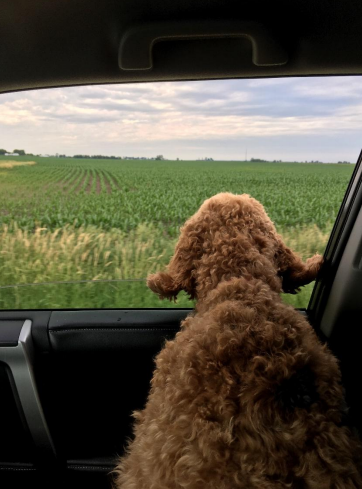
The Walshes got Maya as a puppy, and as she grew, she "would love going for a dip in the pool, playing fetch on the patio, snuggling with either one of the Plaintiffs on the couch, or celebrating birthdays together," the lawsuit said.

The Walshes sought out the highest-quality all-natural food for Maya, and found that Blue Buffalo marketed itself as having "precise blend of antioxidants, vitamins, and minerals carefully selected by veterinarians and animal nutritionists that help support: immune system health, life stage requirements, and health oxidative balance," the lawsuit said.
Blue Mountain is also marketed as having the quality ingredients for optimum health benefits, such as "better digestion, healthier weight, more energy, stronger eyesight, and shinier coat," the lawsuit said.
The Walshes fed Maya Blue Buffalo dog food from 2017 through 2022. In 2023, they noticed she was stumbling and having trouble walking, and a veterinarian found she was suffering from cardiac problems, the lawsuit said. Another vet diagnosed her with DCM, the lawsuit said.
The vet advised that the Walshes change Maya's diet right away, the lawsuit said. The Walshes stopped giving her Blue Mountain dog food, and started giving her human food such as baked chicken, rice, and carrots, while also giving her medication and supplements to increase her taurine levels, the lawsuit said.
But Maya's condition kept declining, and she died of congestive heart failure caused by the DCM, the lawsuit said.
Lawsuit says company was aware of risks
The lawsuit said the Walshes paid a premium for the dog food, which they "were promised would keep their pets safe, happy, and healthy." Instead, the lawsuit alleged, the couple was paying a premium for dog food that "would give their pet an irreversible condition that causes death."
In July 2018, the U.S. Food and Drug Administration began reporting on an investigation of incidents of DCM in dogs that were fed grain-free dog foods. The FDA report said cases of DCM were likely underreported, but of the cases the organization knew about, data indicated that dogs eating the Blue Buffalo grain-free dog food had the sixth highest prevalence of DCM and accounted for more than 7% of the total cases.
A variety of different dog breeds of every were diagnosed with DCM after being fed the dog food, and died as a result, the lawsuit said. Dogs between one year and 10 years old were affected, the lawsuit said.
The lawsuit said cardiologists found that grain-free diets interfere with the absorption of taurine in dogs. Taurine is a critical amino acid for myocardial health, the lawsuit said.
In 2018, veterinarians at the University of California, Davis studied 24 golden retrievers that had switched from commercial diets to grain-free or legume-rich food, and were diagnosed with DCM and taurine deficiency, the lawsuit said. All but four of the dogs switched back to grain-inclusive diets, and all but one of the dogs that switched back got better, the lawsuit said.
The suit cited a study that found that a diet in grain-free dog food specifically containing high-amylose wrinkled peas led to cardiac changes that pointed to early-stage DCM.
The lawsuit said Blue Buffalo knew or should have known the risks to pets from grain-free dog food based on all these studies.
The lawsuit accused Blue Mountain of violating Illinois' Consumer Fraud and Deceptive Business Practices Act, unjust enrichment, fraudulent concealment, misrepresentation, and failure to warn.
The lawsuit sought unspecified compensatory damages and other relief.
General Mills, which owns Blue Buffalo, says it does not comment on pending litigation, but said they "… Stand behind the quality and safety of our pet food and believe this case is without merit. We have moved to dismiss the case."


