Judge's ruling on feds' use of force in Operation Midway Blitz accuses Border Patrol's Bovino of "outright lying"


A federal judge's blistering 233-page ruling supporting an injunction limiting federal immigration agents' use of force in Chicago – an order since put on hold by an appeals court – outlines in detail what the judge called repeated lies by Border Patrol Commander Gregory Bovino about clashes between agents and protesters.
The astonishing findings in U.S. District Judge Sara Ellis' opinion detail many of the confrontations between immigration agents and protesters over the course of more than two months during Operation Midway Blitz.
Ellis ruled that video evidence from agents' body cameras repeatedly contradicted the Trump administration's reports about what happened in those clashes.
On Sept. 19, there were multiple clashes throughout the day outside the U.S. Immigration and Customs Enforcement processing center in Broadview.
Later testifying in court Bovino claimed his agents were met with an unruly mob refusing orders, but Ellis wrote "video disproves Defendants' contentions that protesters were the ones shooting off fireworks, refusing orders, and acting violently so as to justify the agents' use of force."
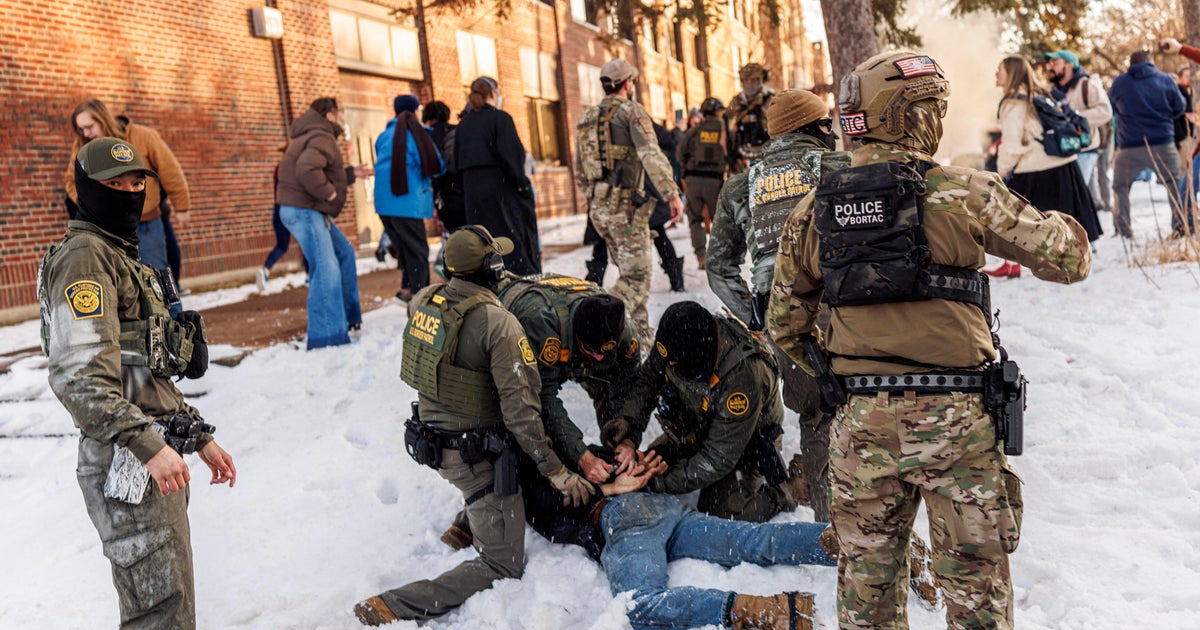
"Almost immediately and without warning, agents lob flashbang grenades, tear gas, and pepper balls at the protesters, stating, 'f*** yea!', as they do so, and the crowd scatters," Ellis wrote.
The Trump administration's account of a Sept. 26 clash when agents again deployed tear gas and pepper balls in Broadview contained more contradictions, according to Ellis.
The judge wrote body-warn camera video showed agents "shoot pepper balls and tear gas at them without any apparent justification," in direct contradiction to an agent's report claiming "protesters were becoming increasingly hostile."
Ellis also wrote in her ruling that, in at least one incident, a federal agent used ChatGPT to create a use of force report based off images and a brief sentence about an encounter with protesters. The judge said this further undermines their credibility.
When it came to Bovino, in her ruling, Ellis said she found his testimony during a lengthy deposition wasn't credible.
"Bovino appeared evasive over the three days of his deposition, either providing 'cute' responses to Plaintiffs' counsel's questions or outright lying," she wrote.
Specifially, Ellis noted that Bovino admitted during his deposition that he lied about an incident in Little Village, during which he threw a tear gas canister into the crowd.
Bovino initially said he threw the tear gas because he'd been hit in the head by a rock, but later admitted the rock did not hit his helmet until after he deployed the tear gas.
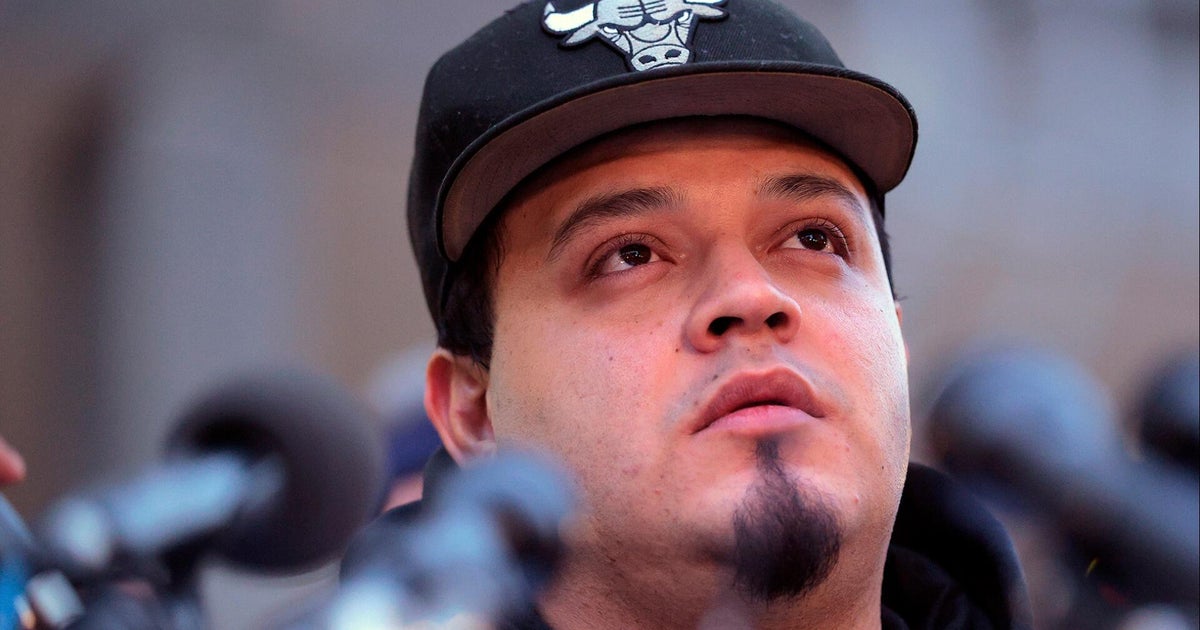
On Oct. 3, Kyle Frankovich and Juan Munoz – an Oak Park Township trustee – said they were grabbed and tackled by federal agents in Broadview as Bovino and Homeland Security Secretary Kristi Noem were visiting the ICE facility.
Ellis' ruling states Bovino led a group of 50 to 75 agents who "walked directly to the protesters gathered in the designated protest zone."
"Bovino then grabbed Muñoz by the shoulder, pulled him to the ground, smacked his phone out of his hand, and placed him under arrest, using plastic zip ties around his wrists," Ellis wrote.
Munoz has said he was not accused of doing anything before his arrest, and was later released without charges or explanation.
"I was not told that I was accused of anything," he said.
Munoz and Frankovich were kept in handcuffs for eight hours, then driven to a gas station and released. They have said they believe they were wrongly arrested and used as props for part of a government promotional video later shared on social media by Homeland Security.
Eric Balliet, who spent 25 years a federal agent and retired from ICE's Office of Professional Responsibility, called Ellis' findings about federal agents' credibility regarding their encounters with protesters in Chicago is a "black eye" for the feds.
"My hope is this can be somewhat of a lessons learned on how to plan and better execute operations," he said. "When law enforcement operates outside of the law, the Constitution, and policies, then there are and there should be accountability for those actions."
Ellis filed the written opinion one day after her injunction limiting federal agents use of force was put on hold by the 7th U.S. Circuit Court of Appeals, which ruled her order was "overbroad." However, a three-judge panel of the appeals court also cautioned observers "do not overread today's order," saying it might be able to support "a more tailored and appropriate preliminary injunction."