University of Chicago expert warns war in Iran could be long, protracted conflict

President Trump has said the war with Iran could "take four weeks or less," but one expert who studies these events at the University of Chicago believes it will be a long, protracted conflict.
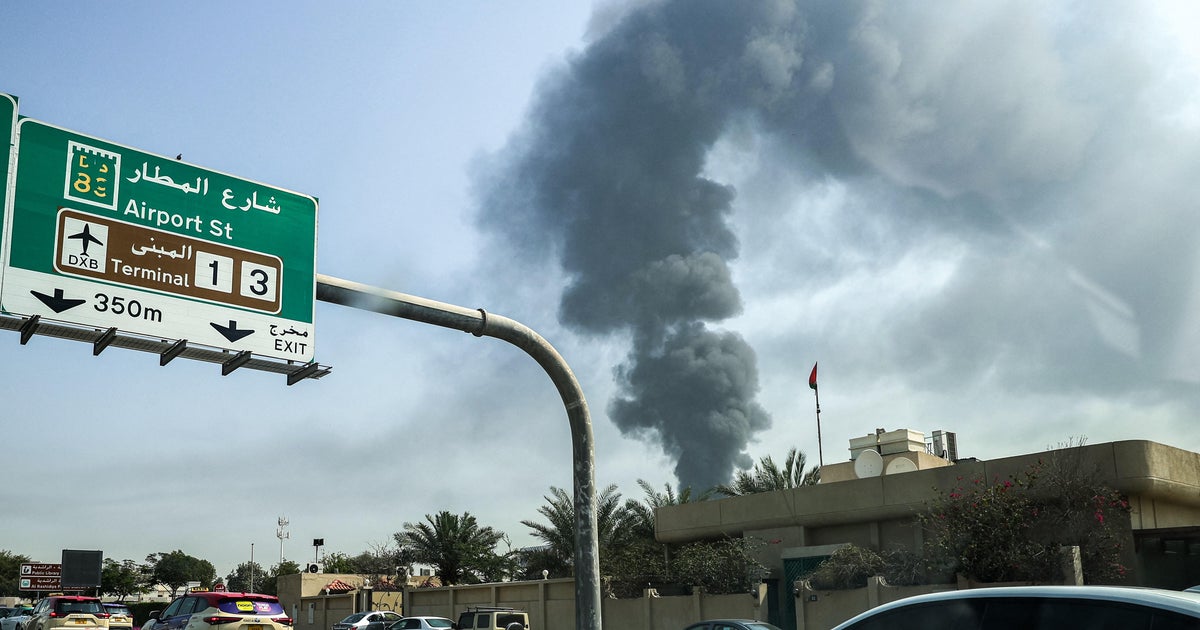
The State Department has urged more than a million Americans believed to be in the Middle East to leave 14 countries across the region as the war continues to escalate.
The White House on Wednesday said they're scrambling charter flights, reworking State Department hotlines to get everyone out as other plans to remove them are already in the works.
Experts said the decision to recommend Americans leave the region says a lot about how long the war with Iran could last.
"They've made the decision that the best way to protect them is to get them out of the region. That tells you a lot about where we are in this war," University of Chicago political science professor Robert Pape said. "It throws off your business. It throws off school. It throws off all of those things. You don't do this because you're just cautious. This is happening now because the war is widening. It is widening fast."
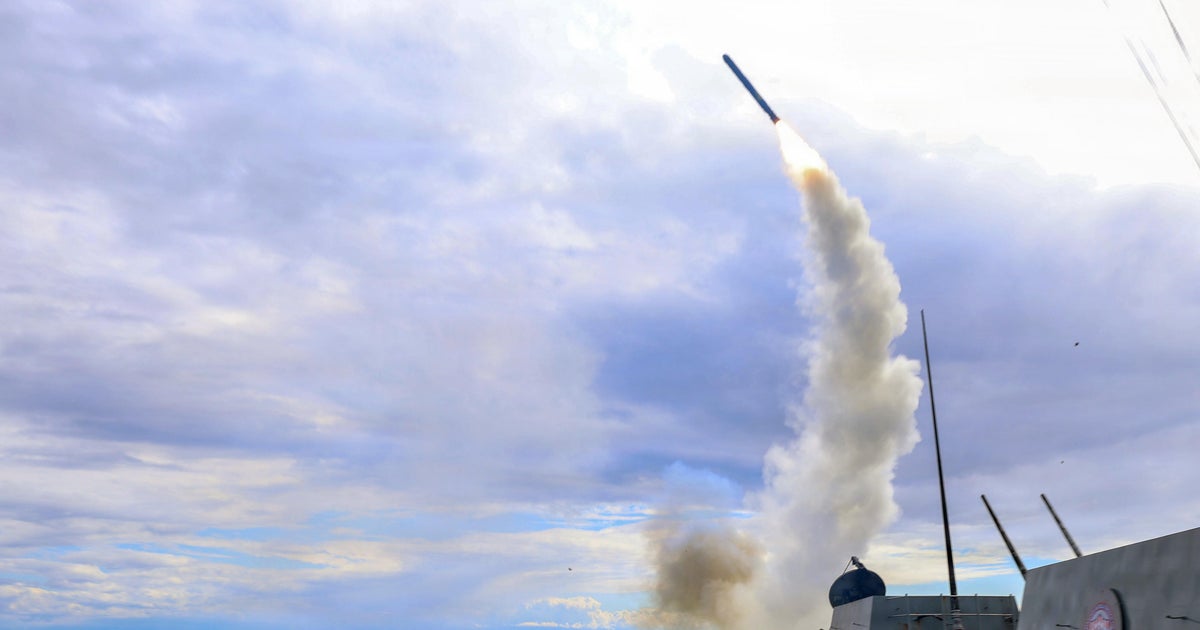
The first bombs of this war – so-called precision munitions – were exact, killing Iranian leaders with tight targets. Pape noted that Defense Secretary Pete Hegseth has signaled less exact "gravity bombs" are becoming the norm for military strikes as the war continues, and has said the U.S. has a "nearly unlimited stockpile" of such weapons.
"The very fact that Secretary Hegseth said we're going to move into using gravity bombs, he is essentially confirming we're running out of precision," Pape said.
Less precise bombs could mean more civilian casualties, complicating the war and angering even Iranians who wanted a regime change.
"You are going to anger the local population. That pro-democracy movement's not going to like being killed by the American bombs. You can call it friendly fire, it doesn't matter. They aren't going to like it," Pape said. "This is how the wars widen. This is how the forever wars turned into those wars of terrorism. They fed on each other."
Pape said more regional fear creates more retaliation incentives.
The professor said the war is just in the beginning stages, with the regime change still up in the air.