Iran war could drive up food prices, shipping costs, and more

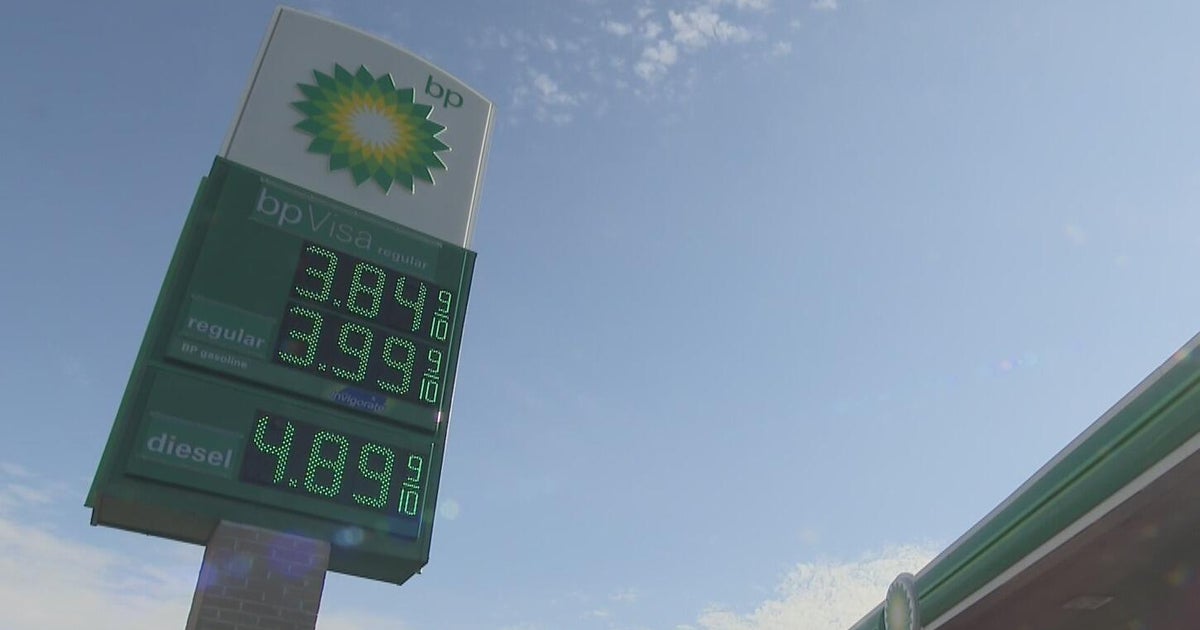
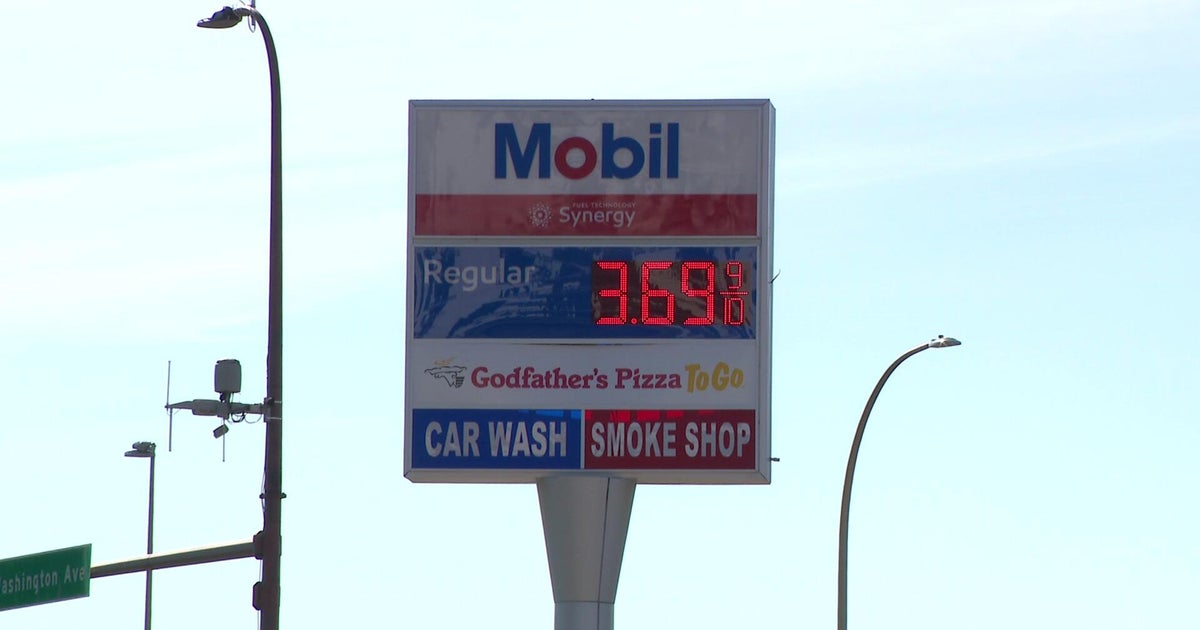
As the war with Iran continues, gas prices have surged, and it's been a roller coaster on the stock market, but there are other price swings at play that might be less obvious.
Americans have grown accustomed to friction in the Middle East over the years, and shortest line between a Middle East war and the U.S. is gas prices, but the economic impact of the war with Iran is not just limited to the gas pump. Just ask a farmer who's about start up planting season.
The cost of nitrogen fertilizer is directly tied to the cost of natural gas, and as natural gas gets more expensive, so does fertilizer, forcing farmers to make some decisions that could hit your kitchen table budget.
"The question of what to plant. We're still in the planting window. There are crops that require a lot more nitrogen fertilizer. Corn is a great example," said Michigan State University professor and food economist David Ortega. "So you may see farmers thinking about, 'Well, maybe I'll plant less corn acres and switch to soybeans.'"
Ortega said, if farmers opt to hold back on the use of fertilizer, it could mean lower yields when they harvest crops in the summer and fall.
"That would mean less food being produced, which could put upward pressure on prices," Ortega said.
Central Illinois farmer Mathew Heberling said he pre-bought most of his fertilizer this year for his corn crop on his farm in Christian County, near Springfield.
"If I didn't have nitrogen booked, I would probably be looking at switching some of those acreage over to soybeans," he said.
If the war lingers, farmers could grow a lot less corn and other crops that are fertilizer rich. The impact of that doesn't just mean corn will be pricier. It could mean ethanol prices could jump.
"It's very tough to plan, and so the uncertainty certainly adds an added layer of complexity and costs to all of this," Ortega said.
It's far from a food-only problem. A spike in diesel prices would lead to a jump in shipping costs, which means everything from electronics to automobiles to packaging getting pricier.
"Those costs are not going to show up overnight. There's a significant lag, and it's something that we could be feeling the effects of for many months, if not the better part of this year and into next year," Ortega said.
Those costs will hinge on a possible deal with Iran and the free flow of goods through the Strait of Hormuz. So the stock market, the fuel pump, and the cost to feed your family all hinge on what happens next in Iran.