Judge to question feds on use of force, body camera mandate amid immigration enforcement in Chicago

Please note: Our day-of coverage of this hearing has moved here.
Representatives from U.S. Customs and Border Protection and U.S. Immigration and Customs Enforcement will testify in front of a federal judge in Chicago on Monday to answer questions about the ongoing Operation Midway Blitz and federal agents' use of force to execute immigration enforcement.
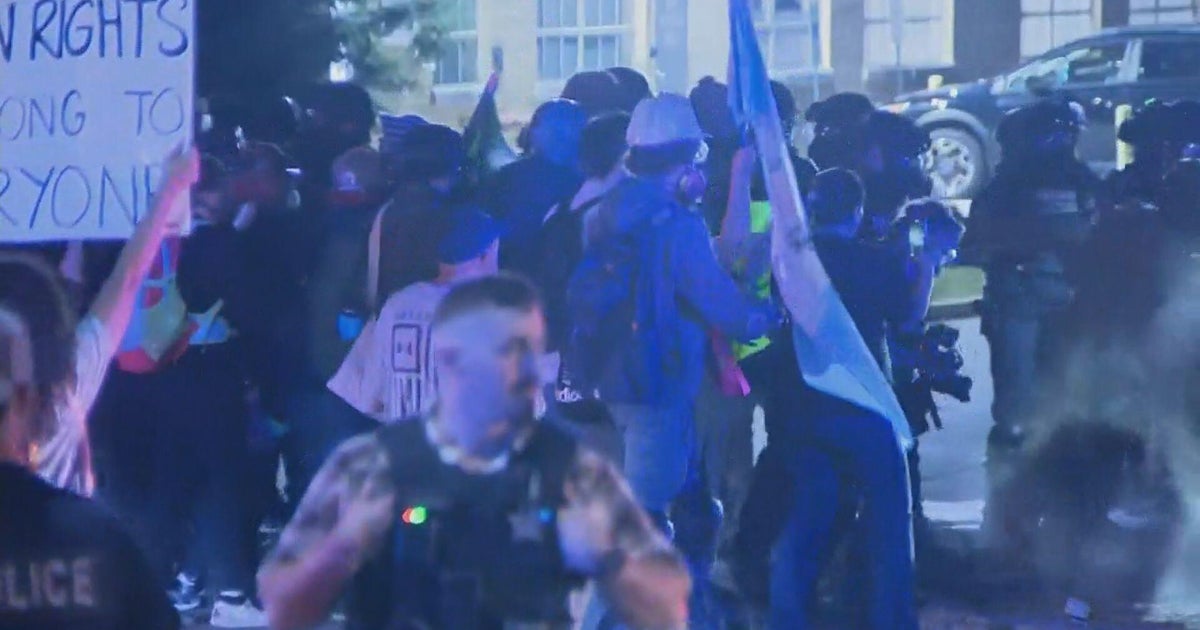
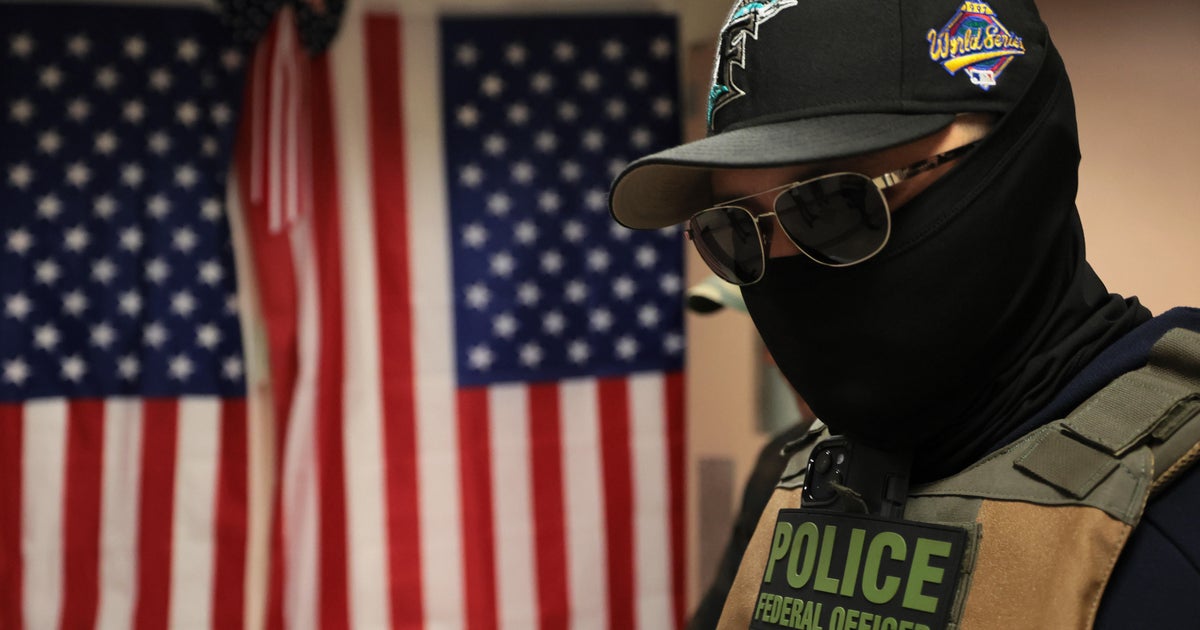
On Friday, the judge reiterated an order that agents wear and use body cameras on duty, after raising concerns about agents' use of tear gas and violent tactics against protesters.
At 10:30 a.m., representatives from CPB and ICE will have to explain what has made their show of force necessary in the last few weeks, their use of non-lethal munition like tear gas, and the reason they have not always been using body cameras.
U.S. District Judge Sara Ellis had previously ordered federal agents to stop dispersing crowds in public places where people are lawfully able to be, and forbade the use of tools like tear on protesters and others who are not posing a safety threat.
On Friday, she asked the federal government why they had not begun to issue body-worn cameras for federal officers as she had ordered in court the day before.
"Maybe I wasn't clear yesterday. That wasn't a suggestion," she said. "I am modifying the [temporary restraining order] to include body worn cameras. … It's not up for debate."
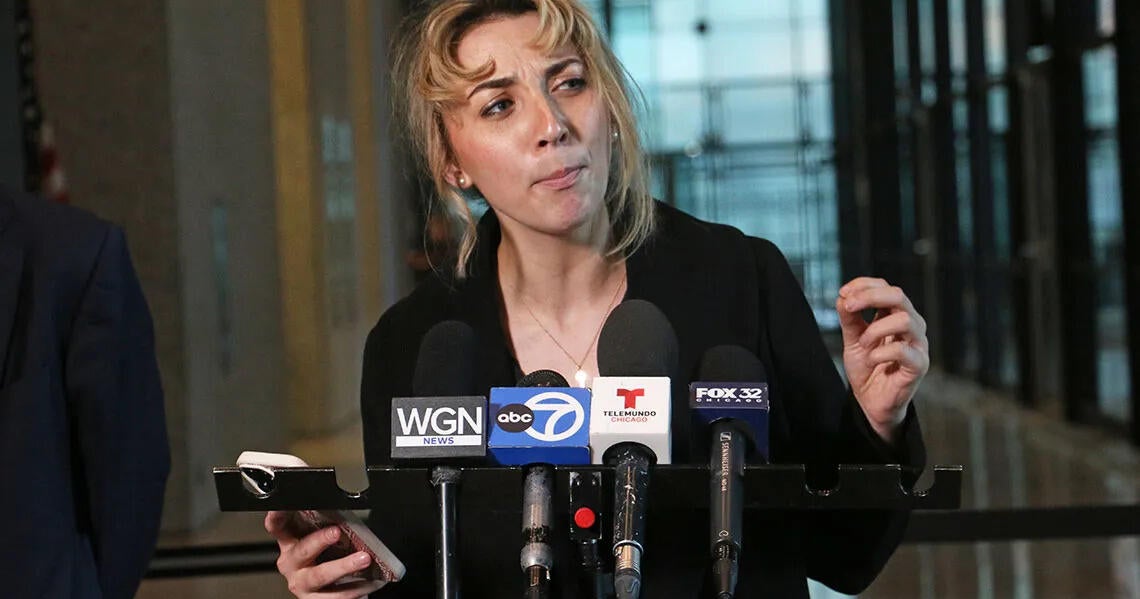
On Sunday, Department of Homeland Security Assistant Secretary Tricia McLaughlin said, "there is currently no order requiring body cameras, and any suggestion to the contrary is false reporting."
"DHS will continue to oppose all efforts to vilify law enforcement and prop up the cause of violent rioters. Were a court to enter such an order in the future, that would be an extreme act of judicial activism," McLaughlin added.
Richard Kling, a clinical professor of law at Chicago-Kent College of Law, said Ellis "was not satisfied that ICE was following her order" regarding the use of force against peaceful protesters, and ordered the use of body cameras to make sure there is video documentation of agents' behavior.
"She watched TV like the rest of us, and apparently realized that ICE was going what ICE wanted to do," Kling said. "If they don't follow the order, like any other order, it's contempt of court; and in contempt of court she can do anything from fining to jailing."
Meantime, after another federal judge issued a different order temporarily blocking the deployment of the National Guard in Illinois. The federal government has asked the Supreme Court to weigh in, and has given the state of Illinois – which sued to block the Trump administration's troop deployment – until 4 p.m. Chicago time to respond to that request.