What could the U.S.-Israel war with Iran mean for gas prices in the Chicago area?

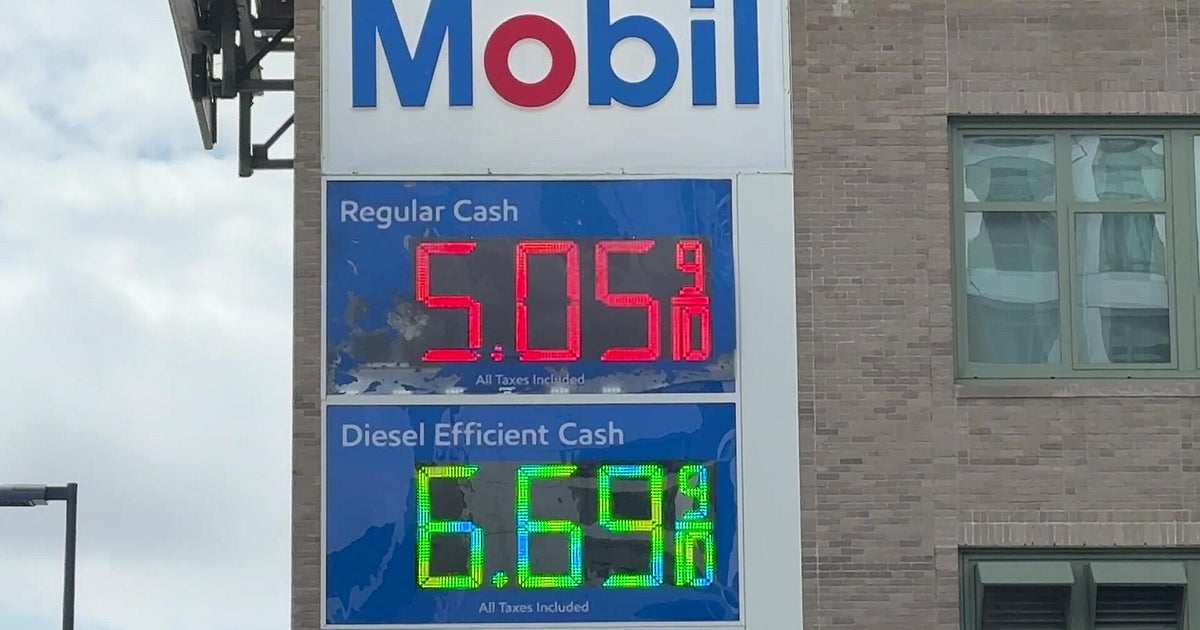
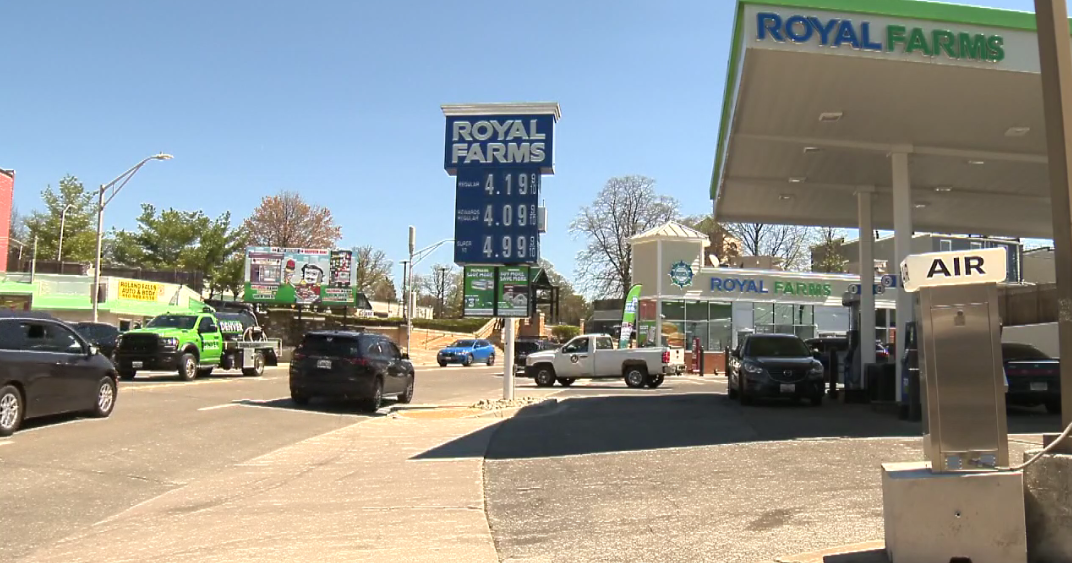
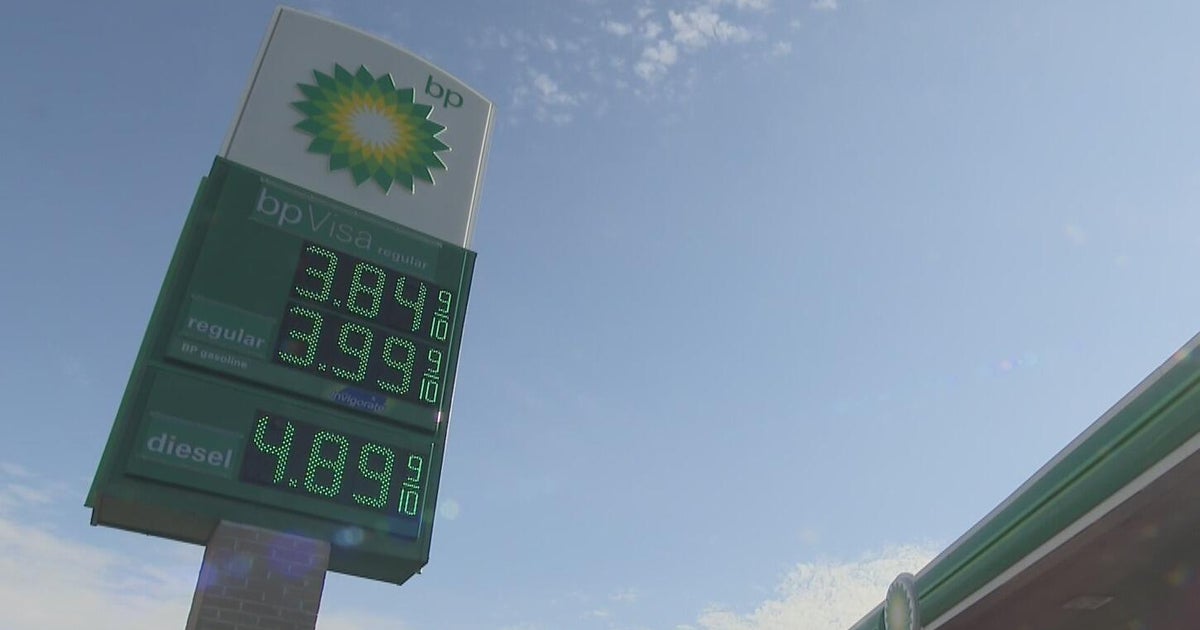
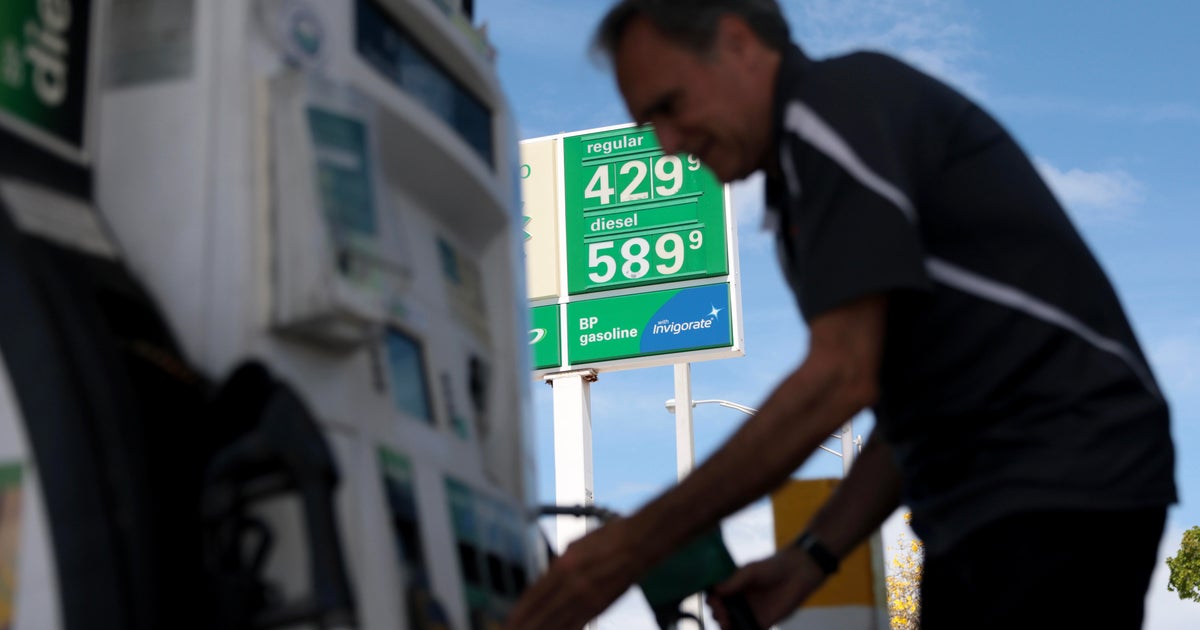
Drivers in the Chicago area can expect to start paying more at the pump this week, as oil prices have spiked amid the U.S.-Israeli war on Iran.
As of Monday afternoon, gas prices in the Chicago area were hovering around $3 dollars per gallon.
On Monday, the price of crude oil spiked almost 8 percent, and experts said that will drive up the cost at the pump at a time when gas prices are already on the rise ahead of the summer driving season.
The price of gas that flows into American motorists' tanks depends partly on the flow of oil tankers at the Strait of Hormuz, which connects the Persian Gulf with the Gulf of Oman and the Arabian Sea and the Indian Ocean.
That flow has been disrupted by the war in Iran.
"It's the Straits of Hormuz which sees about 20 percent of the world's oil pass through that every day," said Phil Streible, chief market strategist with Blue Line Futures.
Streible said oil shipping companies are diverting shipments and it's causing delays.
"If you have a longer duration open-ended conflict going on, many tankers will just completely avoid the Straits of Hormuz. That's going to tack on at least a week to two weeks of travel in order to bring this oil back online that could be refined and turned into gasoline," he said.
Analysts with GasBuddy project gradual increases at the pump this week, anywhere from 10 to 30 cents a gallon.
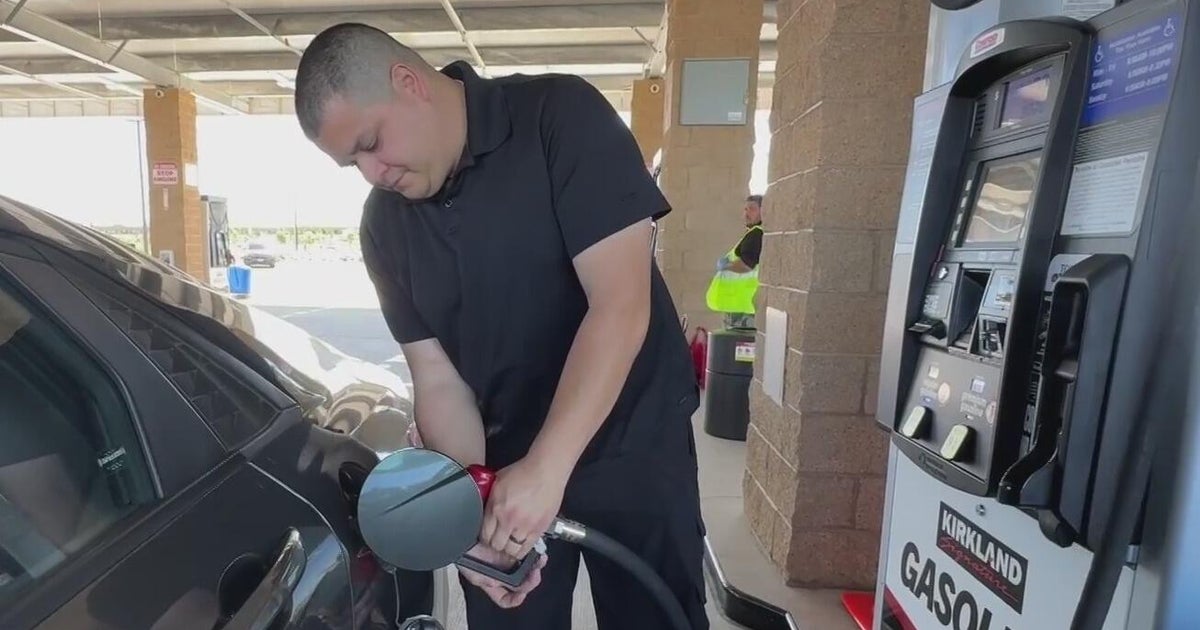
"People who work for a living in driving, be it truckers or people who have to commute and all rest of it, it'll be a hardship, obviously," said driver Mark Fishbein.
"Right now, it's okay, but if it's like $4.00 or $4.50 or $5.00, then yeah, definitely, I would notice it more," driver Duke Yoon said.
Streible recommended drivers top off their tanks now before prices rise, as consumers wait to see how long this conflict will last.
"It's really a lot of this is short-term in nature as far as this spike. It's the possibility of it being extended out is where the pain could really happen for the consumer," he said.
Streible pointed out that rising energy prices is one of the biggest drivers of inflation, and with higher oil prices, he said the Federal Reserve likely won't touch interest rates.