Caliendo: Voters are energized by many issues, some primary races sure to be tight

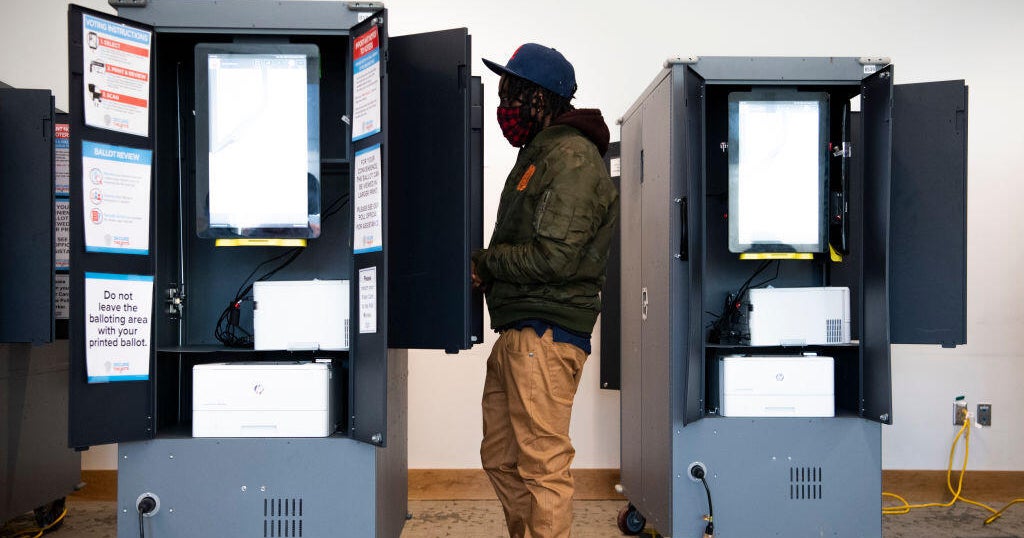
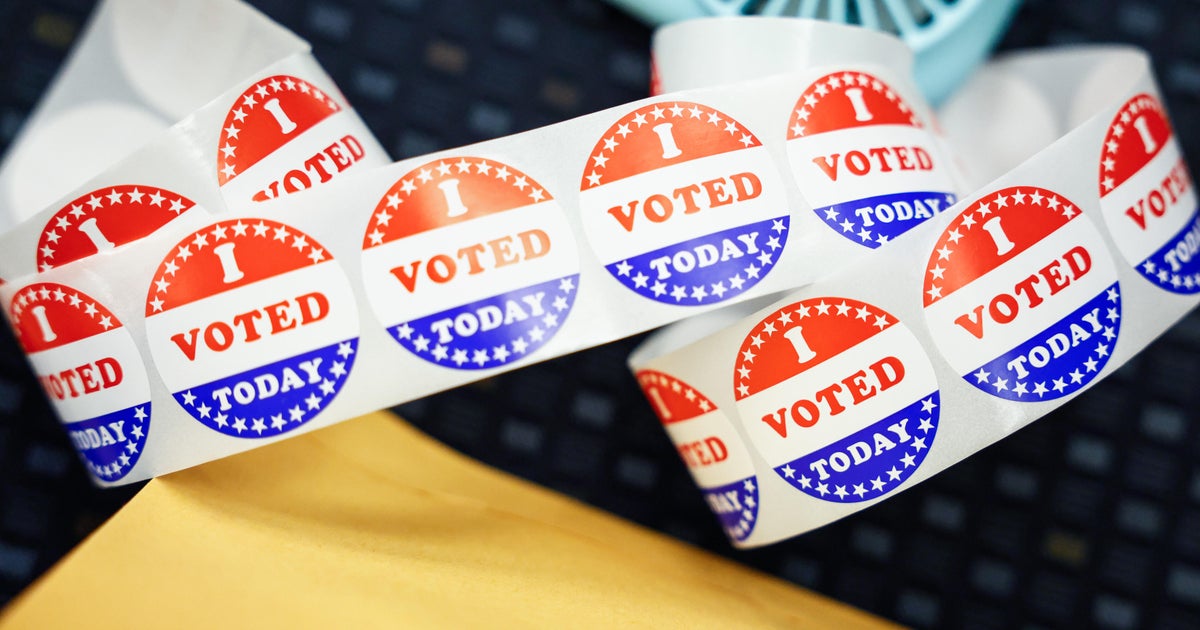
Voting was under way Tuesday for the Illinois primary, and a big increase in voter turnout was reported with regard to early voting.
The City of Chicago reported that about 188,000 people had already cast their ballots as of Tuesday morning. By comparison in 2022, 115,000 ballots had been received. Voting records were also being broken in the Chicago suburbs.
Some races have many candidates, while others, including several congressional races, don't even have an incumbent — which means a new officeholder is guaranteed. Political science professor Stephen Maynard Caliendo of North Central College said this will mean some surprises.
"When you have this many candidates, somebody's going to win with a pretty low percentage of the overall vote. And that's problematic from a democratic standpoint," Caliendo said. We don't in Illinois require that candidates get a majority plus one, as they do in other states. In other words, we won't go into a runoff if nobody gets to 50%. Whoever gets the most votes, that's going to be the person who is the candidate for November, and so because you're talking about those percentages that are spread out over numbers of candidates, surprises can absolutely happen tonight."
Chicago aldermanic and mayoral races are nonpartisan and do involve runoffs if no candidate reaches 50%, which has happened for all of the last three mayoral elections. But the mayor and alderpeople are not up for election this time — those races come next year.
Meanwhile, a big race that everyone is watching is that for U.S. Senate, with Dick Durbin retiring after three decades in office.
Caliendo declined to make any predictions with people already on their way to the polls Tuesday morning. But he said it was widely expected that the Democratic nominee would win in reliably blue Illinois.
"We're a reliably blue state in Illinois. Certainly, we've voted for Republicans for governor, not the far distant past. But in terms of the U.S. Senate, it's likely to be a Democrat, so it's the Democrats who are vying for that seat today that are really in line to be able to go to Congress," Caliendo said, "and as we know, these are six-year terms for the U.S. Senate, and reelection rates are still very high for the U.S. Senate, so it could change the face of Illinois politics for a very long time, for a generation, depending on who wins tonight."
Caliendo said the U.S. Senate race is the most likely one to draw voters to the polls. He said there is not that much excitement for the Illinois gubernatorial race on the Democratic side, with Gov. JB Pritzker running unopposed for a third term.
However, there is some interest on the Republican side for Illinois governor, Calinedo said. Former Illinois state Sen. Darren Bailey, who lost to Pritzker in 2022, is looking for a rematch. But he faces three others in the Republican primary — former Wirepoints president and Illinois Policy Institute executive Ted Dabrowski, businessman Rick Heidner, and DuPage County Sheriff James Mendrick.
In off-year elections where the president is not on the ballot, voter turnout tends to be low. The robust numbers seen in early voting are encouraging, Caliendo said, but he added that there was more to the big picture.
Issues that some people are not happy about are energizing people at the local level, Caliendo said, pointing to a debate over a proposal for the state's largest data center in Joliet. On Monday night, hundreds of people came to Joliet City Hall to voice their concerns about the proposed data center, and the City Council had to be placed in recess after going past midnight.
People are also energized by issues at the national and international level, such as the war with Iran, Caliendo said.
"Folks are paying attention. They're concerned about things, certainly about prices, and I think that's driving engagement," Caliendo said.
UIC's Fagan and Northwestern's Bonilla: Democrats have driven massive turnout nationwide
E.J. Fagan, associate professor of political science at the University of Illinois Chicago, also said competitive races are likely driving the higher voter turnout this primary.
"We have a huge number of competitive congressional races," he said. "We have a competitive senate race. We don't have a competitive governor's race, but still, that's about as good as we've had here in Illinois in quite some time."
But Fagan also noted that there has been an increase in turnout for primary elections nationwide, and this is good news for Democrats.
"In Texas, we saw just a few weeks ago, massive turnout by Democrats. We've been seeing Democrats clean up in special elections. All signs are pointing to a demoralized Republican base and a very energized Democratic base," he said, "and so I wonder, if we didn't have those competitive elections, I bet we would still see a very high turnout, but maybe a little bit lower."
Northwestern University political science professor Tabitha Bonilla concurred that Democratic turnout is likely to be high with so many dissatisfied voters, but that turnout is not likely to make for radical changes in the makeup of Congress unto itself.
"I think the general energy of Democrats being upset is probably going to bring people out," Bonilla said. "Will it shift the overall balance for Democrats in the House or Senate? Probably not. These are very safe Democratic seats. But I do think, in general, pointing to high Democratic turnout is probably expected."
Meanwhile, while March 17 it may be, the temperature this primary day was more befitting of January. But it was also sunny, and the lack of snow would help motivate voters to get out and vote, Bonilla said.
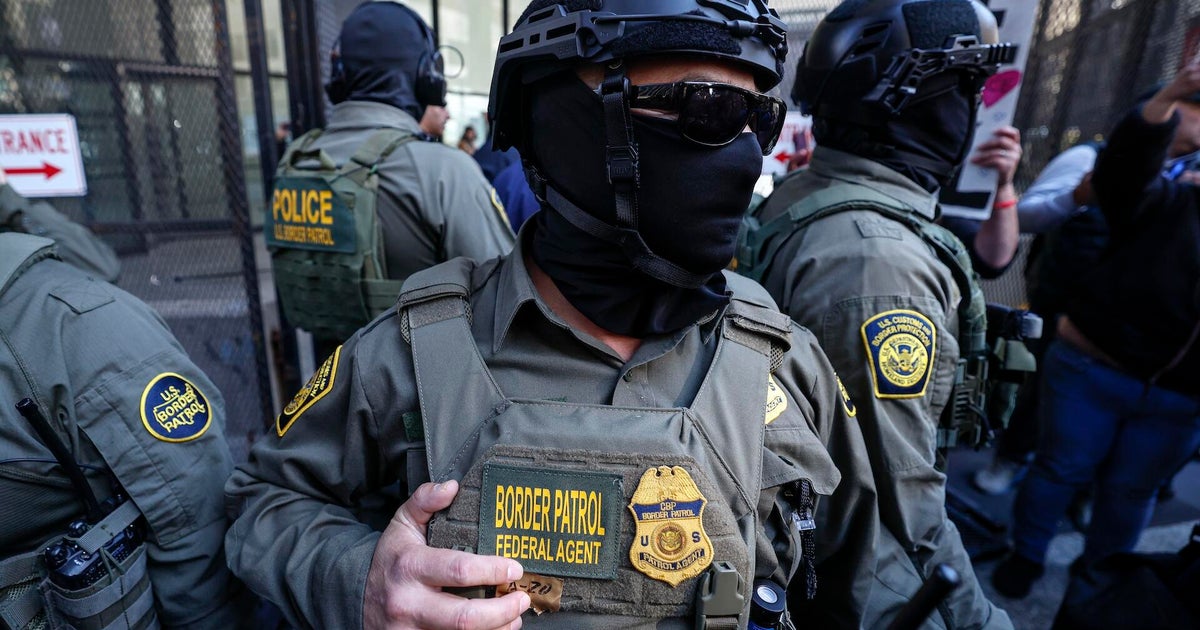
"We're not so worried about ice and sliding today, so I think we'll see," she said. "But again, I think like pointing to the bigger picture of what's happening on a national scale, how people are reacting to President Trump, what's happened with ICE [U.S. Immigration and Customs Enforcement], even here in Chicago — those are as big of drivers, I think, if not more than the weather."