America at 250: How the Great Migration helped lay the foundation for the civil rights movement

Starting in 1916, more than 7 million Black Americans left the South, and Chicago became one of the primary destinations of the Great Migration, with hundreds of thousands settling in the city; educators, architects, farmers and more in search of a better life.
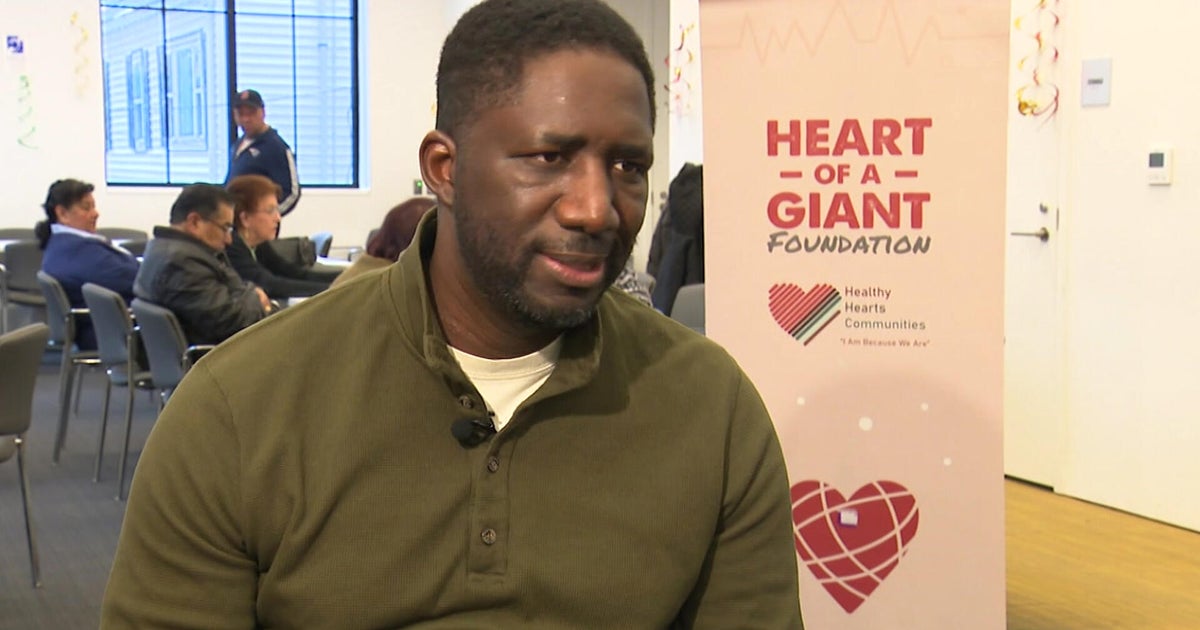
"There is a promise. There is a tale. There is a word of mouth that this is a better place, this is a better land of opportunity," said Danny Dunson, a curator and historian at the DuSable Black History Museum and Education Center.
Just surviving life in the South took incredible strength, but leaving also took courage.
"Sometimes we don't think that deeply about the psychological implications, the emotional implications associated with making that decision," said Dr. Tikia K. Hamilton, an assistant professor of history at Loyola University Chicago. "We think about things like Jim Crow; so segregation in housing, political disenfranchisements, economic hardships."
For Hamilton, the Great Migration is personal. Her grandparents made the move north to Chicago in the 1940s, pushed by those inequities.
She called the promises made to Southern Blacks "the pull."
"The idea there were increased opportunities in the North – the booming war industry," she said. "They looked forward to improved educational opportunities; social networks that were connected to Black churches."
But what was it about Chicago that was so appealing?
"Chicago was making news. It was becoming this industrial center," Dunson said. "Big companies that were offering a lot of jobs and labor, and skilled labor, and that word was traveling, and there were no on-the-record Jim Crow laws at the time."
But those promises of great opportunities almost always came up empty.
"Once people moved to the North and they realized it may not have been Jim Crow, per se, they may not have had the signs of Blacks Only, Whites Only, or Coloreds Only, but these rules were still enforced through action, through symbolic gesture, through non-spoken laws," Dunson said.
Black Chicagoans were relegated to deplorable housing like one room kitchenettes. They were segregated into a "city within a city."
But that hardship only served to embolden the Black community.
"Segregation had this – I don't know – this two-edged identity that It was horrible," Dunson said. "But also through segregation, those limits created talent and economic growth."
Journalism flourished with the writings of investigative journalist and civil rights leader Ida B. Wells and the Chicago Defender newspaper.
So did the arts.
"The blues, the jazz, the gospel music that's so associated with the Chicago area; all of these art forms had roots in this idea of freedom," Dunson said.
"There's a Harlem Renaissance, but there's also the barely spoken-about Chicago Renaissance," Hamilton said. "We have people like Richard Wright coming out of that movement, Gwendolyn Brooks, Lorraine Hansberry."
The Great Migration tapered off, but it laid a strong foundation for the civil rights movement.
"The idea of becoming a citizen with full rights as everyone else," Dunson said. "Chicago was a great center for that, because so many people were here."
People risked so much, not just to change their lives, but the nation's history.
"It starts in a movement in the brain, a conversation with the self of understanding your worth, and who you are, and what you won't settle for," Dunson said. "You make that movement first mentally, and I think the Great Migration is a huge testament to that."