A Potentially Life-Saving COVID Antibody 'Cocktail' Is Available, But Some Patients Are Turning It Down
CHICAGO (CBS) -- A potentially life-saving treatment for COVID-19, but many patients don't know about it.
And others are simply skipping it on purpose. CBS 2's Steven Graves reported Wednesday on why the recent rollout of the vaccine is adding to the skepticism.
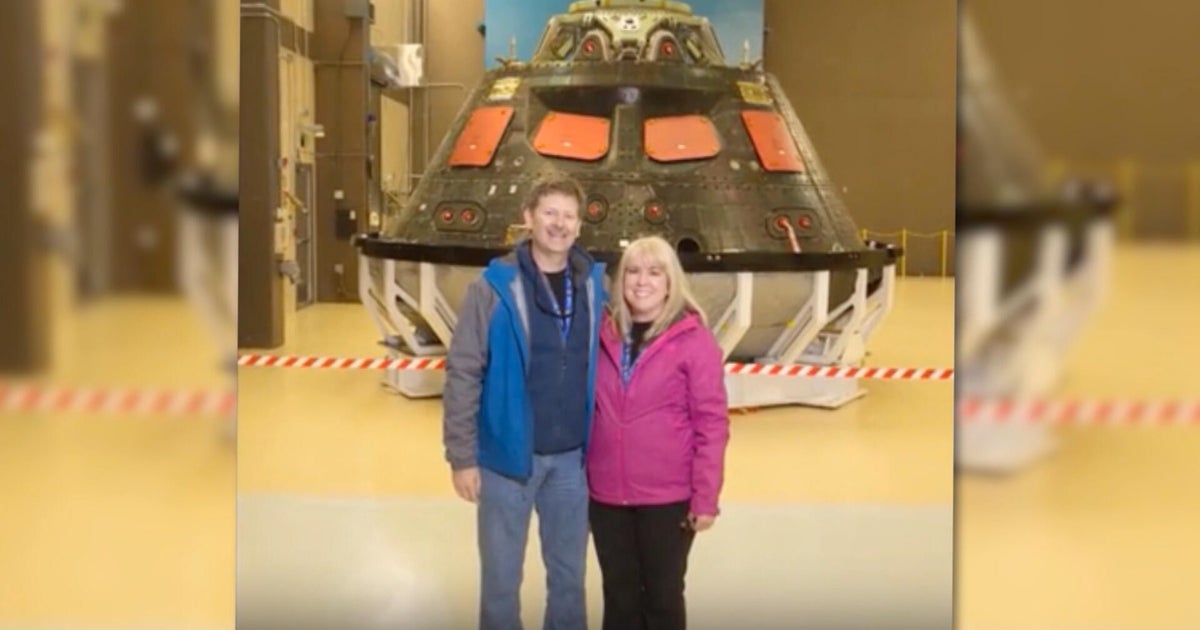
Suguna Siramdasu and her husband contracted a mild case of COVID-19 last December. It only took a little more than a month before both were symptom-free.
"My husband's cough, everything went away. All my smell and taste came back," Siramdasu said. "My fatigue went away. We don't have any lingering symptoms."
The 70-year-old and her partner got a treatment called monoclonal antibodies at Advocate Christ Medical Center. It's better known as an antibody cocktail. It's a one dose treatment injected through the arm.
"This is a miracle drug A lot of people do not know," Siramdasu said.
The medicine is only for less severe cases, in high-risk patients who are not hospitalized. The FDA gave it emergency use approval last year, around the same time doctors administered it to President Donald Trump.
THe federal shipments have since gone out nationwide.
"We have greater ability to administer this medicine than we have people interested in getting it," said Doctor Chintan Mistry.
Physicians at Advocate Christ said that's because many people are unaware of it.
Another complication comes now that a vaccine is out. The CDC recommends that people who get the antibody treatment wait three months before getting the shot, turning some off to the idea.
Doctors said that 90-day period is precautionary for the treatment to be effective. And while the choice to take it is a personal one, physicians are trying to deliver a dose of reality to patients.
"It's a very difficult decision because you don't know when your time will come for the vaccine. But you have this illness now and if you're at higher risk for getting worse, there is that benefit that comes from getting the monoclonal treatment," Mistry said.
CBS 2 checked in with other hospitals like UIC who said they are also dealing with this. Doctors continue to wait for more guidance from the CDC on how the vaccine affects this treatment.