Zoning bill seeks to improve access to health care clinics across Baltimore
A proposed bill aims to improve health care accessibility in Baltimore City by changing zoning regulations.
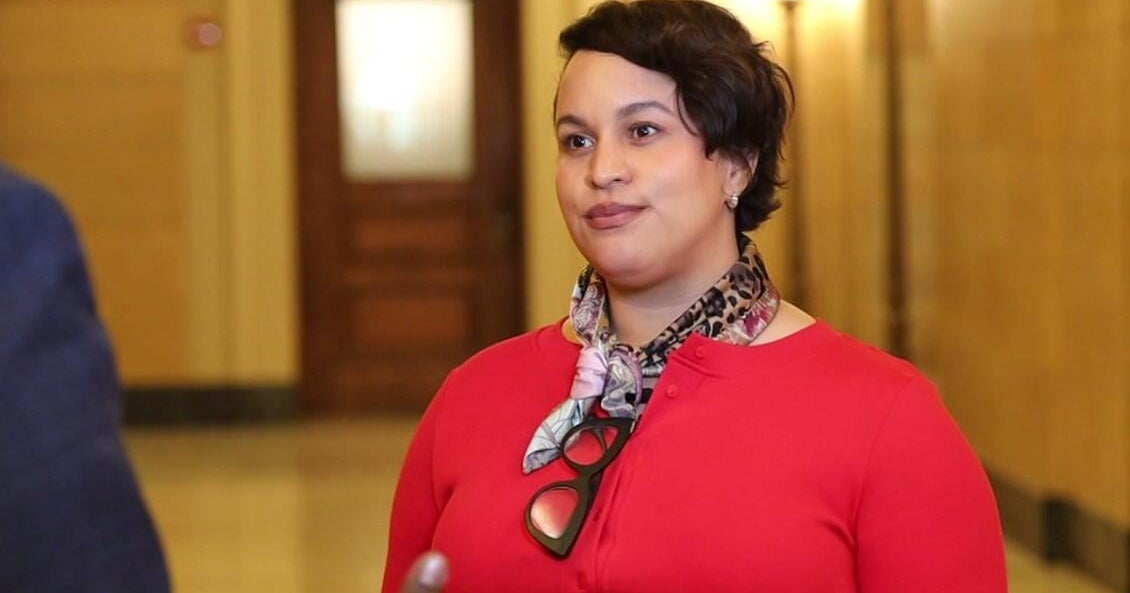
On Tuesday, Baltimore City Councilmember Phylicia Porter introduced legislation to change the city's zoning code to address what she calls an uneven concentration of health care clinics across neighborhoods.
Council bill 25-0097 seeks to amend Article 32 of the Baltimore City Code to better align zoning practices with long-term community planning goals, according to Porter.
She said the proposal is about ensuring that treatment options are more evenly distributed and better regulated.
"The intent is clear, to align our zoning practices with community planning goals and to reevaluate how these clinics are concentrated across our neighborhoods," Porter said. "It's not about the quantity, but the quality we provide to the full city."
Baltimore fighting opioid crisis
"Baltimore continues to face a deepening opioid crisis, not only in terms of the number of individuals affected, but in the uneven quality, oversight, and distribution of treatment services," Porter said in a statement. "While the city hosts a high concentration of behavioral health and substance use clinics, particularly in South Baltimore, the current landscape has raised concerns among residents and stakeholders about inequities."
Almost 600 people have died from overdose deaths in Baltimore City in the past 12 months.
Baltimore Mayor Brandon Scott recently unveiled the city's preliminary overdose response strategic plan, which outlines how the city will spend $242.5 million in settlement funds stemming from lawsuits against multiple pharmaceutical companies.
The city has held a series of public discussions to get community feedback on the overdose reduction plan.
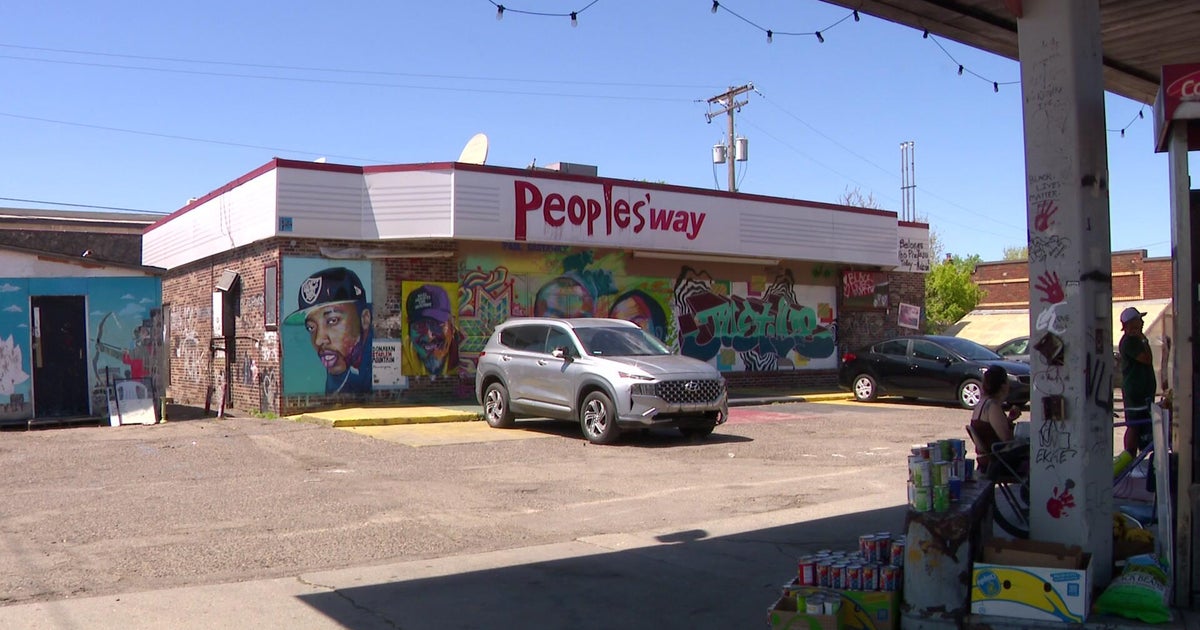
Last week, the city's new health commissioner told council members she wants to cut the number of deaths almost in half in the next 14 years. Her comments followed mass overdoses in Penn North earlier this year that brought national attention to the city's overdose crisis.
Geographic barriers to health care
According to the Baltimore City Overdose Response Needs Assessment, transportation and geography play a role in accessibility to health care.
The report says that about 14% of Baltimore City adults lack reliable transportation, making it difficult for some to access treatment services consistently.
In the assessment, the city also said that residents can have difficulty finding health care providers, causing them to delay primary care.
"Street based medicine exists but minimally...we don't have a robust way to bring comprehensive medical outreach to the streets where people need it and where people are more likely to utilize it," a service provider said in the report.