Maryland doctor shares how women over 40 are pushing America's birthrate forward
America's birth rate is falling, but one Maryland doctor says a group is bucking the trend in a big way.
More women over 40 are having babies. In fact, recent data shows they are now outpacing teenagers.
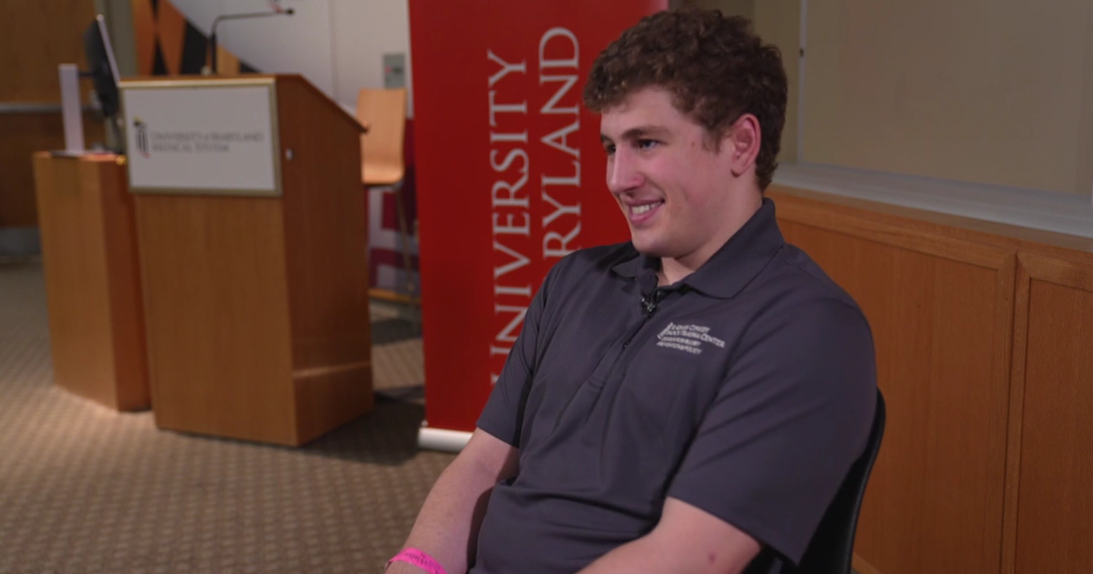
Dr. Robert Atlas from Mercy Medical Center discussed what's driving the shift.
"I think a lot of that has to do with jobs, I think the economy, I think COVID really hit the United States significantly," Dr. Atlas said. "We had a 10% drop in the birth rate in America during COVID-19."
Planning for a baby
For many women, timing is everything.
New mother Katie Hines is 40. She already has a 20-year-old son, and said this chapter felt intentional. She felt it was important for her son to be a sibling.
Hines said once she turned 40, it needed to happen immediately. She said this time was prepared, and walked into motherhood differently.
"I have a child. I've seen what is coming. I feel way more prepared, way more ready to deal with things that come up, and to know what the consequences or the benefits of my actions are as a parent," Hines said.
Risks during pregnancy
Doctors say age does come with added risks, from genetic abnormalities to complications like preeclampsia or growth issues. But those risks are carefully monitored.
"Is there a risk of certain things like preeclampsia? Absolutely," Dr. Atlas said. "There are higher rates of other complications like stillbirth and babies that may not grow as well in women above the age of 40. Absolutely, but we also monitor patients much more carefully in the older age group."
"Twenty years ago, they didn't have all these sonograms and tests and everything," said Hines. "It's a different experience. Even though it was only 20 years ago, it feels like we are in the future now."
Dr. Atlas is more concerned with health than the birth rate.
"I'd rather see someone who's 40 with no medical problems than a 22-year-old who has hypertension, diabetes and obesity," Dr. Atlas said. "That younger woman is at higher risk than that 40-year-old."
It's not just women in their 40s; advances in fertility treatments are opening doors for women even older.
"I just saw someone in their upper 50s who wanted medical clearance to undergo in vitro fertilization," Dr. Atlas said. "And we just had a patient here just before you arrived who was over age 50. So, we are absolutely seeing women who are having babies much later in life."
For Hines, the conversation isn't about statistics; it's about perspective.
When it comes to bringing a baby into the world, being as healthy as possible is what matters most.