Maryland lawmakers consider PACE Act to protect artists expressions in court
BALTIMORE -- On Tuesday, state lawmakers held a hearing on Senate Bill 662 - titled the PACE Act - which stands for Protecting the Admissibility of Creative Expression.
They're hoping to avoid criminal convictions of Maryland artists by placing guidelines for judges to submit those lyrics as evidence.
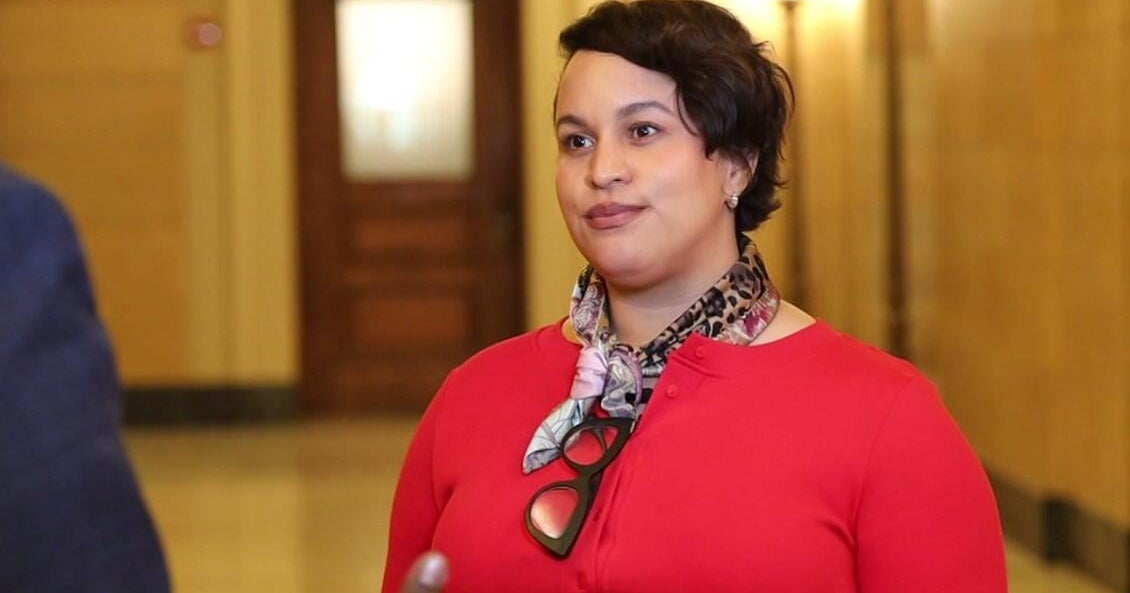
"We have an obligation to prevent bias from entering the courtroom and we must safeguard the entrance of art as evidence and the use of rap lyrics has put innocent men behind bars for years," Maryland State Delegate Marlon Amprey said. "It's important that we are protecting individuals from improper evidence being issued in court."
A number of cases like this has been documented for years - but researchers say in more recent times - there have been at least 700 different instances of lyrics being used against artists in court.
But Erik Nielson, the author of Rap on Trial - says it doesn't account for sealed court records in juvenile cases or plea bargains - which would make that number even larger.
"So we know that the 700 we found should probably be followed by at least one or two zeroes," Nielson said.
Rap lyrics on trial has gained even more attention in the wake of the Georgia RICO case of Atlanta rap artist Young Thug, who is signed to 300 Entertainment.
Baltimore native and music industry titan, Kevin Liles, is the CEO of the label, and has been advocating for protection of musicians and their lyrics for years.
He says far too many Black and Brown artists are being subjected to bias, racism and a lack of freedom of speech.
"I don't care if you criticize, if you don't like hip hop if you don't like art, just don't criminalize it," Liles said.
The goal of the PACE Act is to provide safeguards for the justice system to consider four criteria before admitting the words of an artist as evidence in court.
"Artists in any genre should be able to express their creativity through music without fear of reprisal from the justice system simply because of the content or their art or because of biases of their chosen art form," Gospel artist Lisa Winans said, commenting on the bill.
These safeguards if passed by state legislators would make Maryland the first state on the East Coast to enact this sort of law to protect the freedom of expression through art.