Federal officials pull the plug on grants for high-speed train project in Maryland, citing poor planning, high costs
Federal officials cancelled $26 million in grants that would have funded a proposed high-speed train project between Baltimore and Washington, D.C.
According to U.S. Department of Transportation (USDOT) Secretary Sean P. Duffy, the Federal Railroad Administration (FRA) is canceling the grants for the Super Magnetic Levitation Project, or MagLev, due to poor planning, high costs and opposition from community members.
"This project lacked everything needed to be a success, from planning to execution. This project did not have the means to go the distance, and I can't in good conscience keep taxpayers on the hook for it," Duffy said in a statement. "We'll continue to look for exciting opportunities to fund the future of transportation and encourage innovation."
What is the MagLev?
The MagLev, short for magnetic levitation, is the world's fastest train.
Some models are able to reach speeds of 370 miles per hour using magnetic fields to lift and propel trains without direct contact with train tracks. Without the friction caused when train wheels touch their tracks, the train can essentially levitate, creating a smoother, faster experience.
The proposed transportation project would have shortened the commute between Washington, D.C., and Baltimore to just 15 minutes, according to Northeast Maglev, the company that has been spearheading the proposal.
In 2015, USDOT awarded Maryland a $28 million grant for the train project.
In 2016, the company estimated that a MagLev project would cost about $10 to $20 billion and would be operational by 2026.
The train had the potential to boost Maryland's economy, per Wayne Rogers, Northeast Maglev Chair. According to him, the project would have created over 160,000 jobs.
MagLev project faces delays, opposition
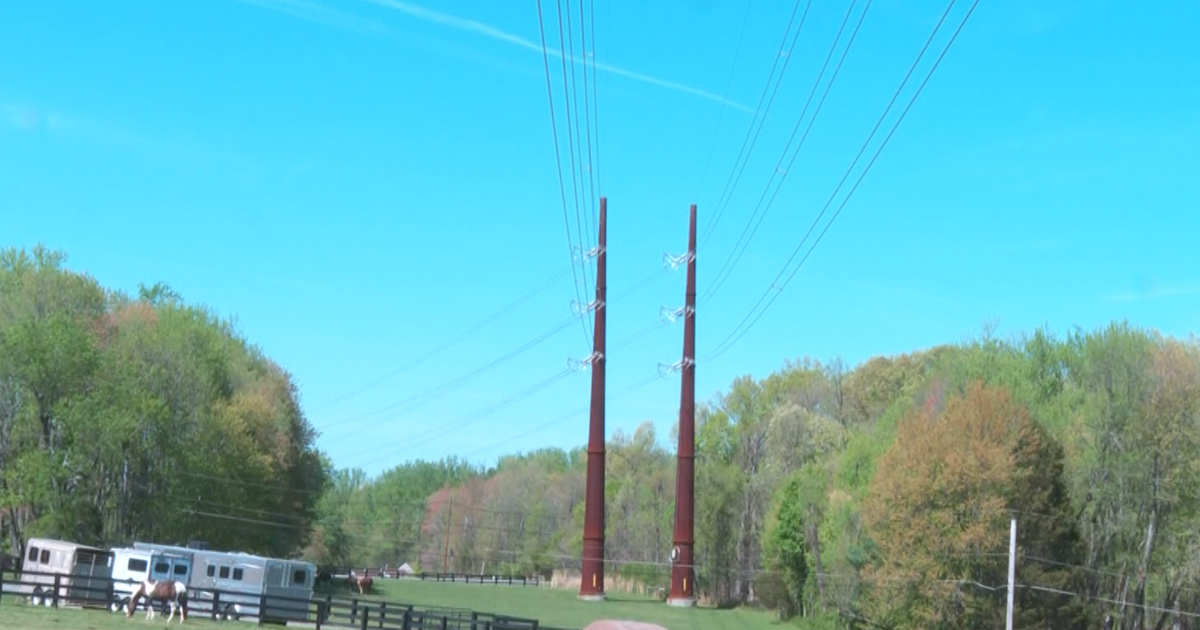
Former Maryland Gov. Larry Hogan and current Gov. Wes Moore have been huge supporters of the project. However, it faced pushback from some state leaders and residents, especially those whose homes were in the path of the proposed high-speed train.
Despite the support from Gov. Moore, the project stalled in 2021 due to delays in the environmental review process.
Impact on federal agencies
According to Duffy, along with the delays and rising costs, the MagLev project would also impact federal agencies and critical infrastructure.
In a statement, Duffy said the FRA determined that the MagLev project would create "significant, unresolvable impacts to federal agencies and federal property, including national security agencies."
He said the following agencies would have faced impacts from the project: the National Security Agency, U.S. Department of Defense and Fort George G. Meade, National Aeronautics and Space Administration, U.S Department of Agriculture, U.S. Secret Service, U.S. Department of Interior – Fish and Wildlife Service and National Park Service, and the U.S. Department of Labor.
Duffy clarified that the cancellation of the grants does not prevent MAGLEV technology from being deployed in the U.S.