Invasive blue catfish from Maryland's Chesapeake Bay would be used as pet food under proposed bill
Proposed legislation in Maryland aims to pay seafood processors and pet food makers to help clean up the Chesapeake Bay by using an invasive species as pet food.
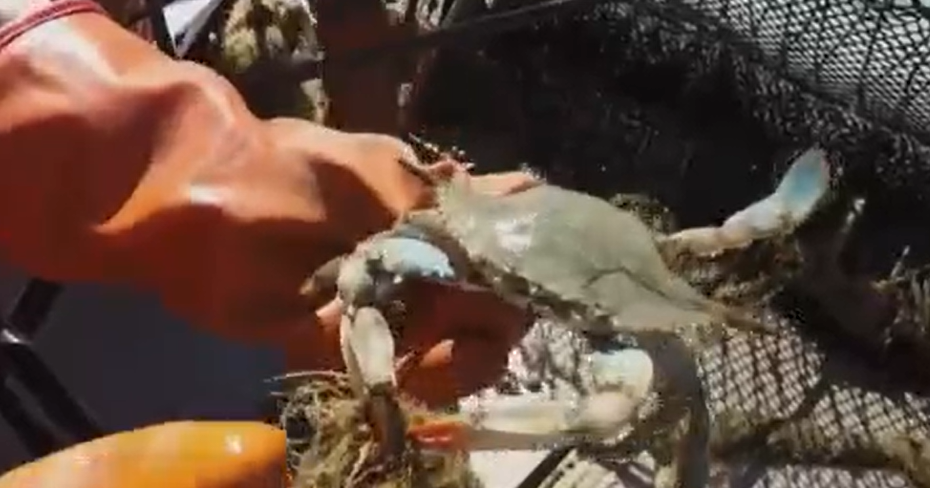
The plan centers around buying blue catfish that are threatening the bay's ecosystem.
The MAWS Act of 2025, introduced by Rep. Sarah Elfreth (D-MD), proposes a three-year, $6 million federal pilot program that would incentivize the commercial purchase of invasive blue catfish.
From invasive species to pet food
Under the bill, Congress would provide $2 million per year to the National Oceanic and Atmospheric Administration (NOAA) between 2027 and 2029.
Those funds would be distributed to pet food manufacturers, animal feed producers, and aquaculture feed companies to purchase blue catfish from watermen and seafood processors.
The Pet Food Institute, which represents major U.S. cat and dog food makers, has already endorsed the bill, calling blue catfish "a high‑quality ingredient in complete and balanced cat and dog food."
The problem of invasive blue catfish in the bay has been well documented.
According to the Department of Natural Resources, the species was introduced into the James, Rappahannock, and York Rivers in Virginia between the 1960s and the 1980s.
"The Chesapeake Bay, located in the Mid-Atlantic region, is the largest estuary in the U.S., with more coastline across the watershed than the entire coast of California. The invasive blue catfish population has expanded throughout the bay's major river systems, threatening native species and the regional economy that depends on marine resources," the PFI wrote in a newsletter.
Importance of preserving Chesapeake Bay ecosystem
The health of the Chesapeake Bay has a major impact on Maryland's economy.
Maryland's seafood industry, heavily reliant on the bay's health, contributes about $600 million annually to the state.
Improvements in water clarity and overall bay health could also increase property values, according to the Environmental Protection Agency.
In 2021, the bay region welcomed 8.9 million visitors who spent $4.2 billion.
Bay health also supports Maryland's shellfish aquaculture industry, which has an estimated economic impact of more than $13 million annually.
The bill has been referred to the House Committee on Natural Resources.