Harford County residents say no to potential data center in their community

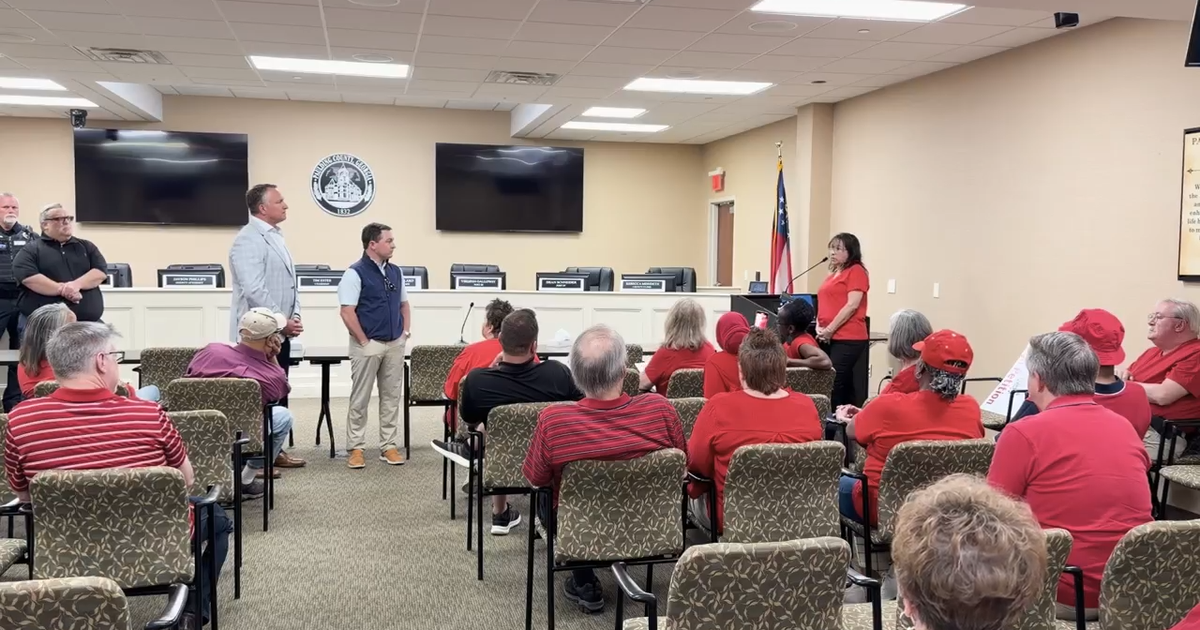
Some Harford County residents and county leaders are pushing back after learning that a nearby business may be looking to sell its property to a company to build data centers.
Harford County Councilman Jacob Bennett is introducing legislation to pass a 90-day moratorium, or pause, on data centers being built, while they learn more about the benefits and the risks.
"Right now we have no guardrails in place in our community to protect the community, and in that I see a tremendous amount of risk," Bennett said.
According to IBM, a data center is a facility that houses infrastructure needed to power AI, and it can use up to five million gallons of water per day.
They also used about 1.5% of the global electricity consumption in 2024, according to the International Energy Agency.
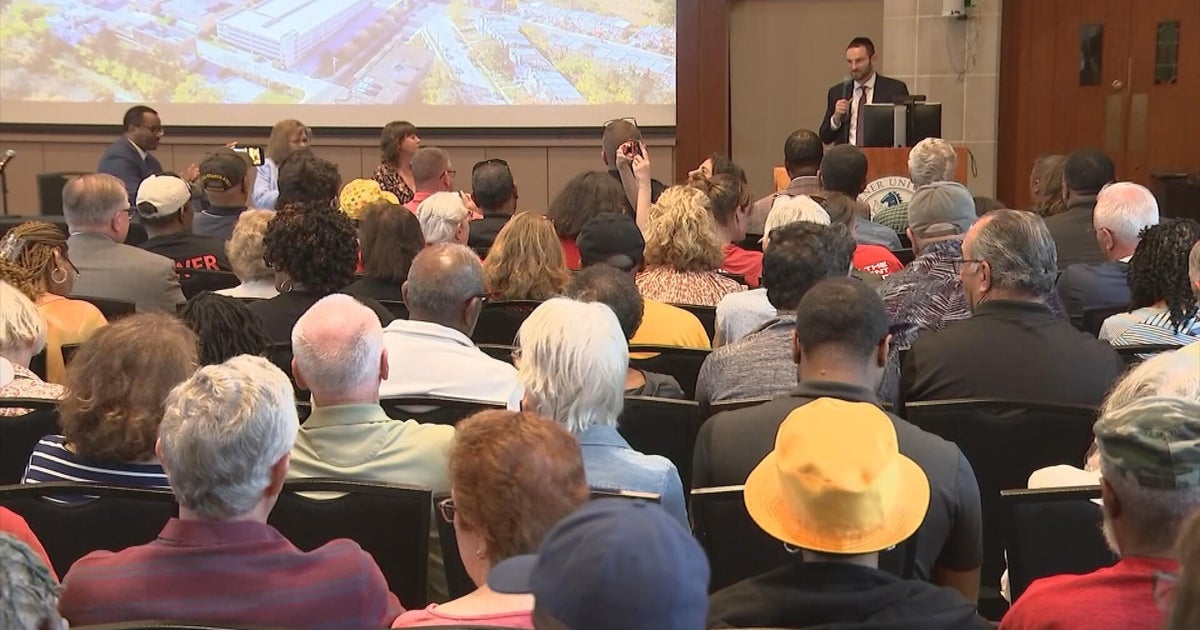
A presentation will be held at Tuesday night's Harford County Council meeting on data centers. Councilman Bennett said he will introduce the moratorium at the next meeting.
Harford County Executive Bob Cassilly said in a statement that he does not support data centers being built in the county.
"Data centers are not currently permitted under the Harford County Code anywhere in the county," Cassilly stated. "Although we have received proposals from outside entities to change the zoning code, I have significant concerns regarding the negative impact these facilities would have on our community. They would pose considerable burdens on energy and water resources and create significant noise, all to the detriment of residents."
Cassilly added, "We need a far better understanding of measures that must be taken to address the serious concerns data centers present to our community before we can properly consider any data center legislation."
"(We) don't want (data centers) in our community"
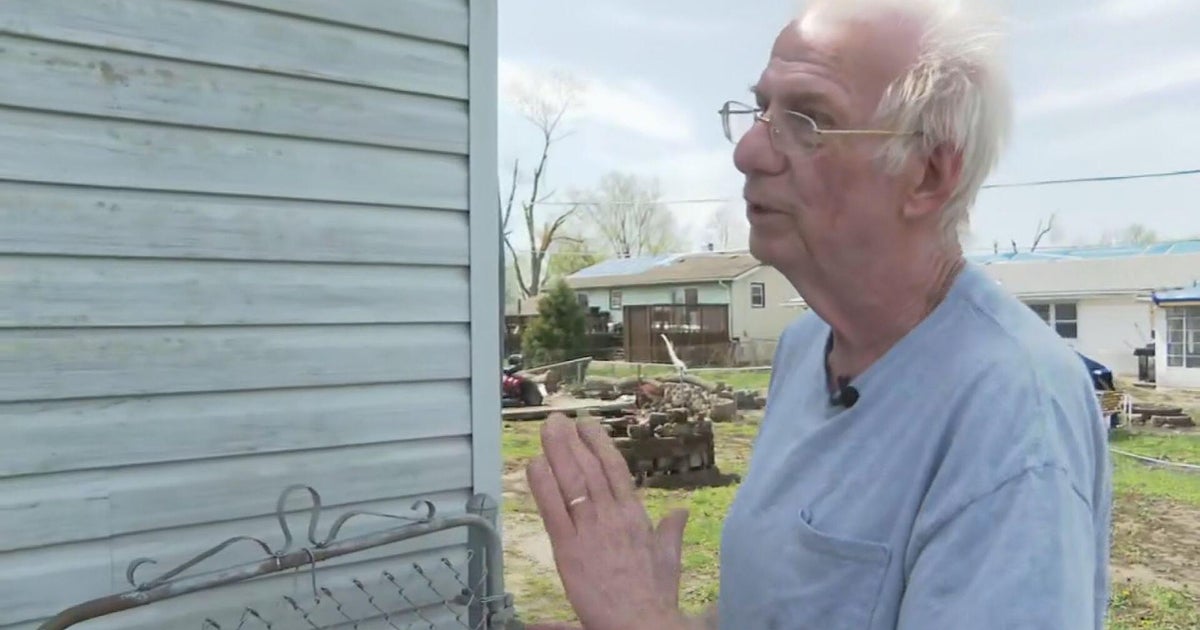
Harford County resident Bryan Cornell is concerned that his grandfather's land, and the houses he built, could be disrupted by a data center nearby.
"It's something that we definitely don't want in our community, at least not here in a residential area, in an agricultural area, where there's farms, there's a horse farm right across the street, there's cattle ranches down the road that friends of mind own," Cornell said. "It's not the right place for a data center."
Cornell said that he and his neighbors are planning to fight back if they need to.
"We're not moving, we're not leaving," Cornell said. "We're going to pray about it, and we're going to push back as much as we can."
Proposed plan to pause data centers in Baltimore
With utility bills skyrocketing for many Marylanders, Baltimore is taking measures to pause large data centers from being built in the city.
A moratorium was introduced by city council, which would prevent data centers being built for a year. City leaders said this legislative council year would used to research data centers impact on Baltimore Gas & Electric (BGE) bills, and also the potential negative health effects and what it would do to neighborhoods.
"I think it's appropriate and important that we take a timeout, we pay the bills, and their shareholders make bank," said Baltimore City Council President Zeke Cohen. "That is why another data center is not needed."
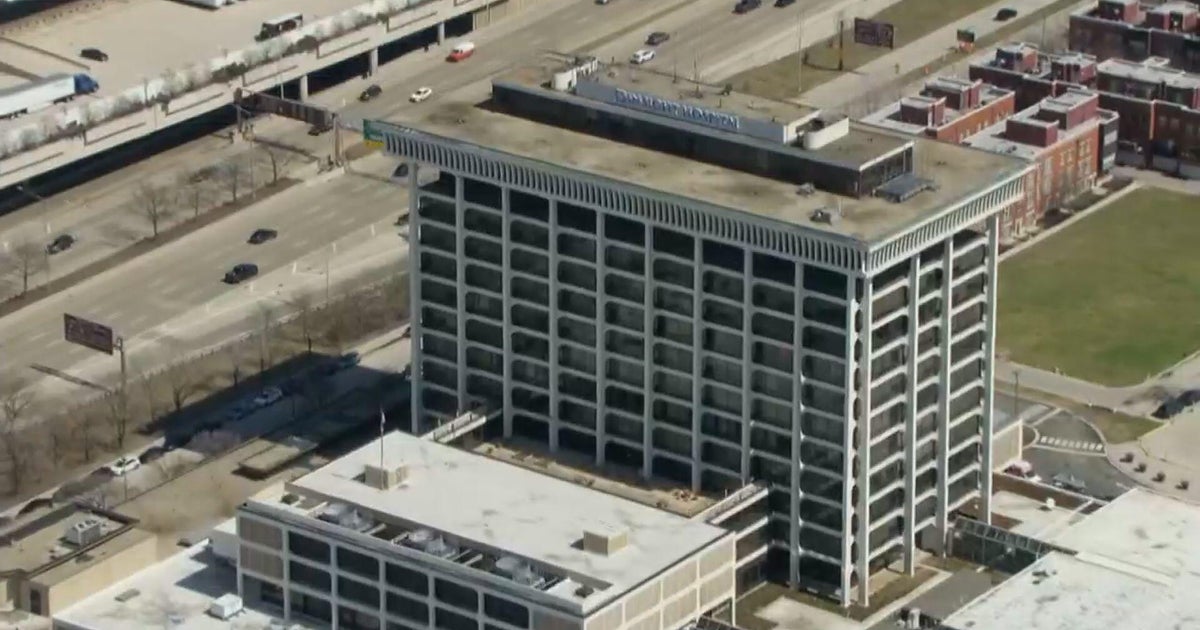
The moratorium was proposed after the Maryland Office of the People's Council called for an investigation into a BGE transmission line project at the Baltimore Peninsula.
City councilmembers said they are concerned that a data center could be built there and that South Baltimore could pay the price.
"I intend to make sure that we not only focus on the infrastructure and the economy, but we also focus on not only just the health of our people now, but also the health of our people later," said Phylicia Porter, a councilwoman who represents South Baltimore.
City leaders say a large data center project could impact existing Baltimore neighborhoods and community centers.
"When you bring a huge warehouse in which there are only one or two people who can operate 1000s of machines," Councilman Mark Conway previously said. "There are no people in those areas. There are no sandwich shops. There are no coffee shops."
Concerns with data centers impacting energy rates?
Residents and city leaders are worried that data centers in Baltimore could raise energy rates even higher.
Baltimore City Council President Zeke Cohen argues that data centers in Northern Virginia are partially to blame for high energy rates.
Some Baltimore residents previously told CBS News Baltimore they are concerned that data centers could increase their already expensive BGE bills.
"I think it already kind of is, to an extent, just around the area. It's every time something pops up, it kind of increases the rates," Baltimore resident Matt Krosche told CBS News Baltimore last month.
BGE responds
Last month, BGE told CBS News Baltimore that it is committed to requiring large-load customers to pay their fair share for grid upgrades and studying grid impacts for data center projects.
"We are committed to implementing strong guardrails to ensure large energy users, including data centers, pay for the infrastructure needed to support their growth, helping shield residential and small businesses from unfair cost impacts," the statement said.
Here's BGE's full statement:
"Under The Exelon Promise, BGE continues to advance programs and protections designed to help customers manage rising energy costs today, while pursuing lasting reforms that address things that are driving up customer bills."
"We are committed to implementing strong guardrails to ensure large energy users, including data centers, pay for the infrastructure needed to support their growth, helping shield residential and small businesses from unfair cost impacts."
"This includes:
- Requiring large-load customers to pay their fair share of grid upgrades and provide financial assurances that protect customers from the risk of "phantom" projects or stranded infrastructure costs.
- Conducting feasibility and reliability studies for large-load requests to confirm the grid can support new demand without impacting existing customers and identifying any needed upgrades.
- Working with economic development and real estate partners to pre-screen sites and plan grid readiness, helping reduce uncertainty and improve coordination for responsible growth."