Baltimore police make progress on compliance with consent decree, DOJ says

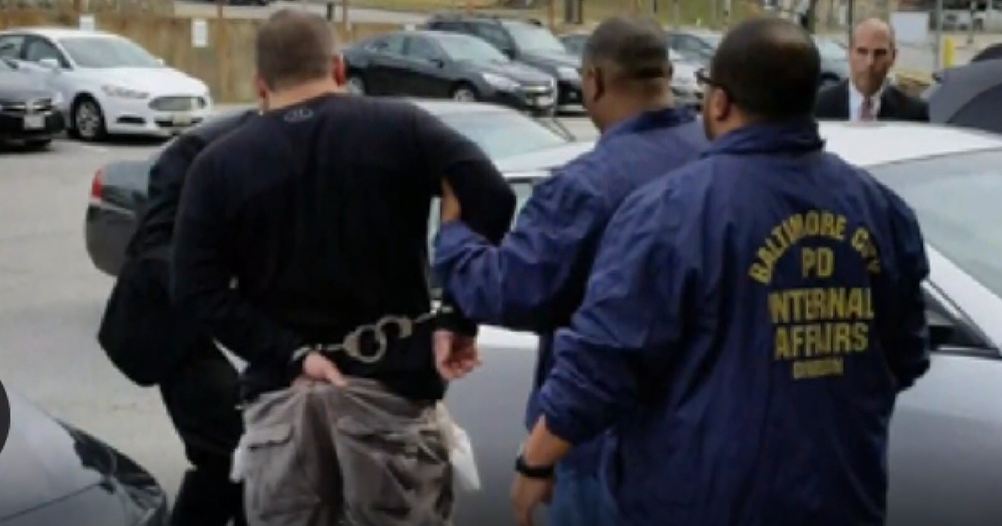
BALTIMORE -- The Baltimore Police Department (BPD) is making progress on improvements under a Federal Consent Decree, the Department of Justice (DOJ) and the police department said in a joint motion.
The police department and the DOJ said the police department is in full compliance with the requirements of three additional sections of the consent decree related to protected free speech activities, community oversight, and coordination with the Baltimore City schools police.
If the judge signs off on that motion at January's meeting, the Baltimore Police Department would need to maintain compliance for a full year before the court can check off those parts of the consent decree. During the meeting, the police department will present a self-assessment plan for the three newly compliant categories.
The consent decree followed a lengthy DOJ report in 2016 outlining widespread abuse, excessive force, unlawful stops and discriminatory practices by Baltimore's Police Department.
The Justice Department started investigating BPD after the 2015 Freddie Gray uprising. Gray died a week after he was arrested on Presbury Street in Baltimore. The consent decree has been in effect since 2017.
According to Baltimore Mayor Brandon Scott, this milestone underscores the police department's continued transformation amid historic reductions in violent crime.
"I have said over and over again: constitutional policing and public safety are not mutually exclusive," Scott said. "Instead, when done right, they go hand in hand. That is why we are so proud to be on the verge of yet another milestone with BPD's remarkable transformation while simultaneously achieving historic reductions in violent crime. My thanks goes out to all of the men and women of the Department that are making real, meaningful police reform in Baltimore a reality."
The police department hopes to achieve full compliance and sustainability in the 18 categories listed in the decree. Within the next year, the department would like to be compliant in the use of force, technology, a second sexual assault assessment and stops and searches.
Progress made
Before the consent decree, the DOJ identified numerous First Amendment violations, citing how BPD interfered with civilians' ability to engage in protest activity.
The court-appointed monitor has since observed that BPD has completely overhauled its policies, practices, and procedures regarding the First Amendment, particularly in handling protests and public assemblies, according to the DOJ. This progress was most evident during the 2020 George Floyd protests when, unlike other cities that saw widespread unrest, BPD served as a model by working with and safeguarding the rights of protesters, the report shows.
"I am incredibly proud of the hard work and dedication shown by all our officers in transforming our department and achieving a significant reduction in violent crime, all while navigating severe staffing shortages," said Baltimore Police Commissioner Richard Worley. "Our members are committed to implementing these reforms, while also rebuilding trust with our communities. Together we are building a stronger and safer Baltimore for all."
As part of the consent decree, BPD was tasked with monitoring and assessing its collaboration with the Baltimore City School Police Force. The Department has met its requirements by fostering a collaborative partnership that furthers its mission to protect Baltimore City youth, according to the DOJ.
Additionally, the City has fulfilled its obligations regarding the Community Oversight Task Force, a precursor to the Police Accountability Board and Administrative Charging Committee now mandated by state law, according to the DOJ.
"We know the Department's history, but that is not its present or its future," said Baltimore City Solicitor Ebony Thompson. "We have an obligation to make sure our residents should see their Police Department and City Government as an asset, not something to be afraid of. By following the law and respecting the Constitution, we have an opportunity to fulfill that commitment to our residents."
"We have to comply" with the consent decree
Baltimore officials say the new policies are making the officers better and the streets safer.
The police department has already been ruled compliant with achieved sustainment in the transport of persons in custody and officer health and wellness.
"It demonstrates that the BPD has successfully implemented new policies, trained on those policies, and now has systems of accountability to confirm that the policies and training are working as intended," said Shannon Sullivan, the chief of the Baltimore Police Consent Decree Implementation Unit.
Next steps for police department
The consent decree motion comes weeks before the Trump Administration takes office in Washington, D.C. During President-elect Trump's first term, the Baltimore Police consent decree nearly crumbled.
The police department says it doesn't expect changes to the order moving forward.
"It's a federal court order, we have to comply. I don't anticipate that would change," Sullivan said. "This is a completely different department from when I came here 12 years ago. We've really focused on applying the right policies and procedures while we are also decreasing crime, and a lot of people didn't think we could do that."
The police department is continuing to progress in community policing and recruitment. In August, the department reported 1,981 officers, far short of the 2,600 needed to be fully staffed.