16 rabid raccoons prompt new vaccination effort in Harford County

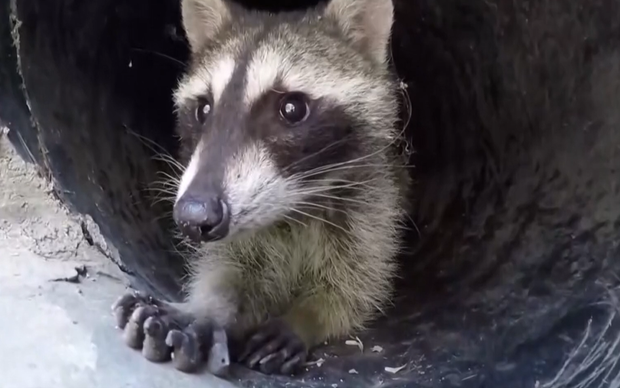
The Harford County Health Department is rolling out an Oral Rabies Vaccination Program after 16 confirmed cases of rabies in raccoons, the highest number reported in any county in Maryland.
"Putting out those press releases got more public interest. People are more likely to call now and say, 'Hey, my dog got into a fight with a raccoon. Maybe I should get this tested rather than just getting rid of the raccoon.' So we collect it, test it, and the more you test, the more positives you're going to get," said Bonnie Harbin, program supervisor with the Harford County Health Department.
With $50,000 from the county, the health department purchased 15,000 oral rabies vaccines to immunize as much of the raccoon population as possible. The vaccines are placed inside bait that raccoons can eat.
"This one is a coated sachet, so basically what it is is just a little packet of vaccine, and this is a fishmeal coating, so it's just a really stinky fish packet. The raccoon bites into it and becomes inoculated within their oral cavity. So that's how they get vaccinated through it," Harbin said.
The effort comes after several wildlife encounters in Maryland this summer, including three separate beaver attacks at state parks.
The vaccine is licensed for use in raccoons and coyotes, but Harbin said the program could have positive impacts on other animals that may encounter the vaccine.
"With this program, hopefully we're able to reduce the numbers in rabies, and if we can reduce it in raccoon populations, we can reduce the spread to foxes and beavers and any other animal that's out there that can get rabies," Harbin said.
Officials hope the program will help keep people, pets and wildlife safe across Harford County.
"Either way, we're going to have these interactions, so reducing the amount of rabies saves people in vet visits, saves people in medical costs, ER visits for post-exposure treatments, and that's really what we're trying to reduce here," Harbin said.
Harbin also wants residents to know that the vaccine is not dangerous if a pet comes into contact with the bait.
If the program is successful, the health department hopes to continue distributing the oral vaccines every fall.


