You May No Longer Be More Likely To Go Into Cardiac Arrest On Monday Morning, Study Says
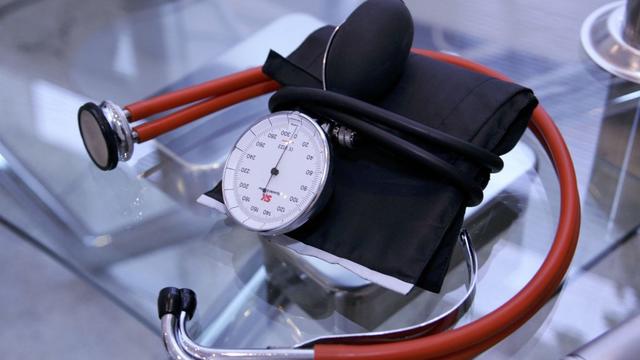
The most common time to experience sudden cardiac arrest could be changing, according to new research.
Watch CBS News
The most common time to experience sudden cardiac arrest could be changing, according to new research.

People who eat diets that are high in fiber have lower risk of death and chronic diseases such as stroke or cancer compared with people with low fiber intake, a new analysis found.
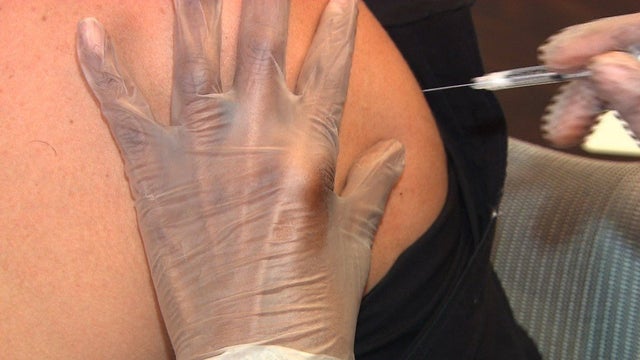
Between 6.2 million and 7.3 million people in the United States have developed the flu this season, according to data released Friday by the US Centers for Disease Control and Prevention.

People who eat diets that are high in fiber have lower risk of death and chronic diseases such as stroke or cancer compared with people with low fiber intake, a new analysis found.

As America continues to combat its opioid epidemic, the rate of deaths from drug overdoses among women has soared in recent years, according to new data from the US Centers for Disease Control and Prevention's Morbidity and Mortality Weekly Report.

In all, 62 people in 16 states became sick as a result of the outbreak. Twenty-five of them were hospitalized.

Some Americans who had surgery in Tijuana, Mexico, have returned home with dangerous antibiotic-resistant infections, the US Centers for Disease Control and Prevention said Wednesday.

The total fertility rate for the United States in 2017 continued to dip below what's needed for the population to replace itself, according to a new report from the National Center for Health Statistics.
Six Baltimore businesses were shut down so far in January due to health department violations.
Lead was found in the water of three more Baltimore County Public Schools.
After three years of decline, climate change causing carbon dioxide emissions rose sharply in the US last year according to new research.
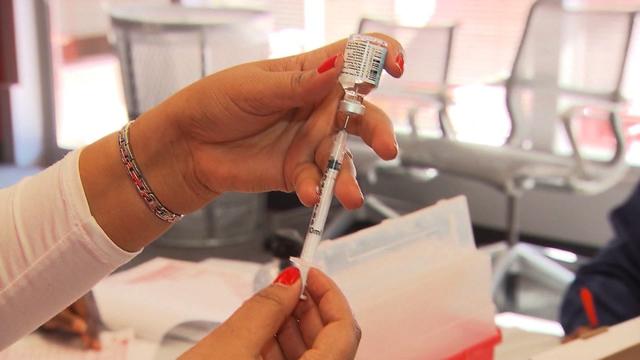
When it comes to vaccinating yourself -- or your kids -- against the flu, there are two options in the United States: a traditional shot or a nasal spray.

Blake Sorensen of Chicago has a routine: "Phone, keys, wallet, EpiPen. That's what I've become accustomed to."
There is little evidence that screen time is in itself harmful to a child's health, says new guidance published by pediatricians.
Rising suicide rates and depression in U.S. teens and young adults have prompted researchers to ask a provocative question: Could the same devices that some people blame for contributing to tech-age angst also be used to detect it?