Rev. Jesse Jackson dies at 84: Georgia leaders, Atlanta officials reflect on civil rights giant's legacy


The Rev. Jesse Jackson, the renowned civil rights leader who marched alongside the Rev. Dr. Martin Luther King Jr. and later ran for president twice, has passed away at 84, his family announced on Tuesday.
He died peacefully Tuesday morning, surrounded by family, according to a statement.
In Atlanta — often called the cradle of the Civil Rights Movement — tributes poured in from senators, mayors, faith leaders, and movement veterans who described Jackson as a bridge between protest and policy, faith and power.
"One of our great moral voices"
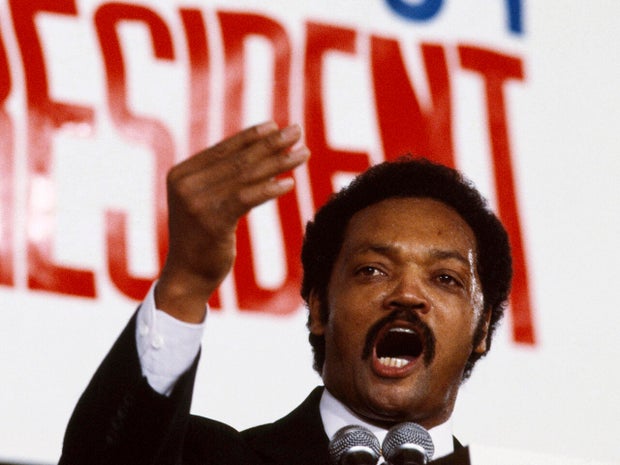
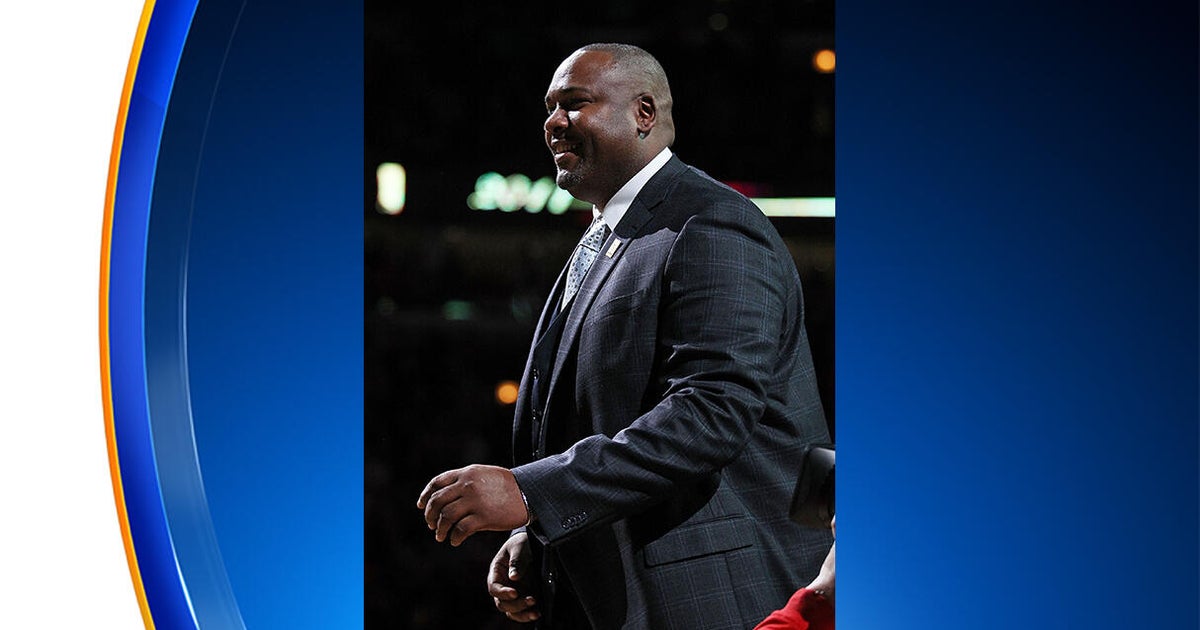
U.S. Sen. Raphael Warnock called Jackson a transformative figure in his own life.
"America has lost one of its great moral voices. Reverend Jesse Jackson spent his life working to ensure our nation lives up to its highest ideals," Warnock said.
"As a kid growing up in public housing while watching him run for President, Rev. Jesse Jackson gave me a glimpse of what is possible and taught me to say, 'I am somebody!' … His ministry was poetry and spiritual power in the public square."
U.S. Sen. Jon Ossoff added:
"A trailblazer, Reverend Jackson dedicated his life to justice and progress. The State of Georgia and the United States are better thanks to his civic and faith leadership. May his memory be a blessing."
The King family: "A living bridge between generations"
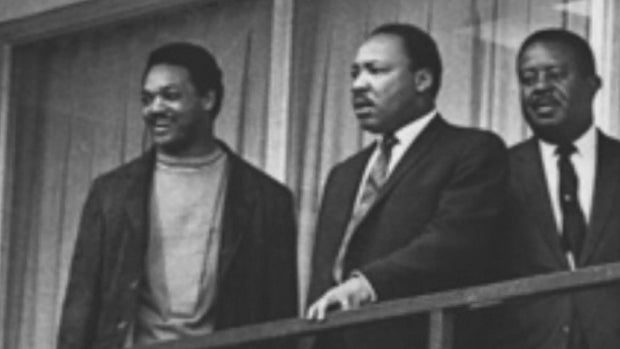
A joint statement from Martin Luther King III and Arndrea Waters King described Jackson as:
"A towering voice and a devoted servant of justice… a living bridge between generations, carrying forward the unfinished work and sacred promise of the Civil Rights Movement."
The King Center echoed that sentiment, noting Jackson's decades of advocacy through the Rainbow PUSH Coalition and his two presidential campaigns, which broadened civic participation and redefined national leadership.
Andrew Young: "The torch never stops moving"
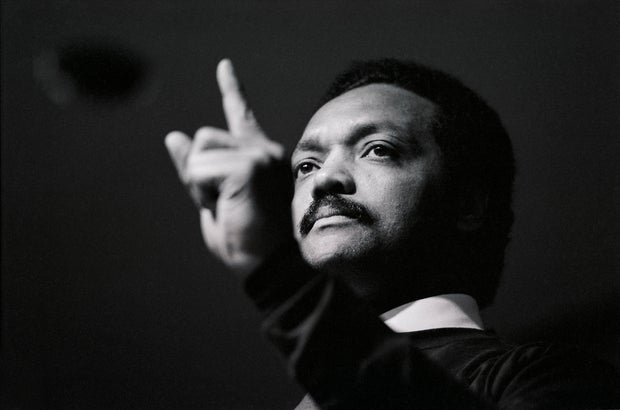
Former Atlanta mayor and U.N. ambassador Andrew Young told CBS News Atlanta that Jackson's legacy extends far beyond Georgia.
"Jesse's legacy is global… We worked the whole world," Young said.
"The torch of freedom is almost like the Olympic torch. Once you get it, you pass it on to somebody else, and it never stops moving."
Young also reflected on Jackson's pastoral heart.
"He was a pastor, as well as a protester, and he had an incredible sensitivity to the people with whom he served."
Atlanta mayors: "The ground is no place for a champion"
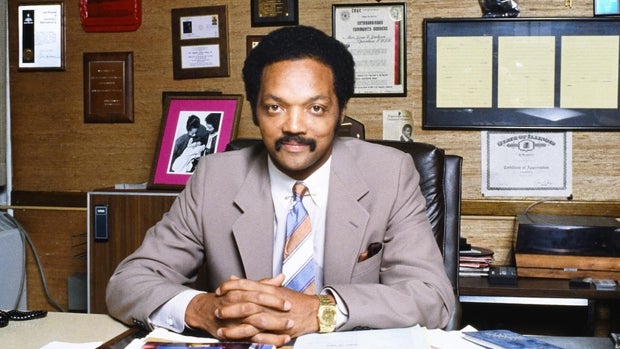
Former Atlanta Mayor Bill Campbell remembered Jackson as:
"A freedom fighter extraordinaire… an orator, but also at his heart, he always wanted to have people find equality. The world's a better place because of his incredible leadership."
Former Mayor Kasim Reed shared a phrase Jackson often told him:
"If you ever fall down, get up — because the ground is no place for a champion."
A legacy rooted in Atlanta — and the world
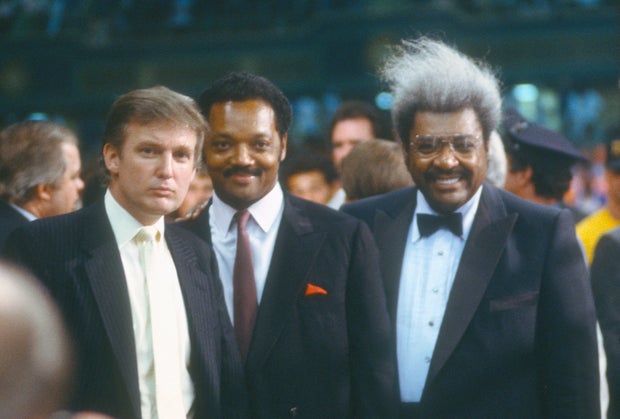
Local leaders from the Georgia Capitol to Atlanta City Hall emphasized Jackson's impact on voting rights, economic justice and coalition-building.
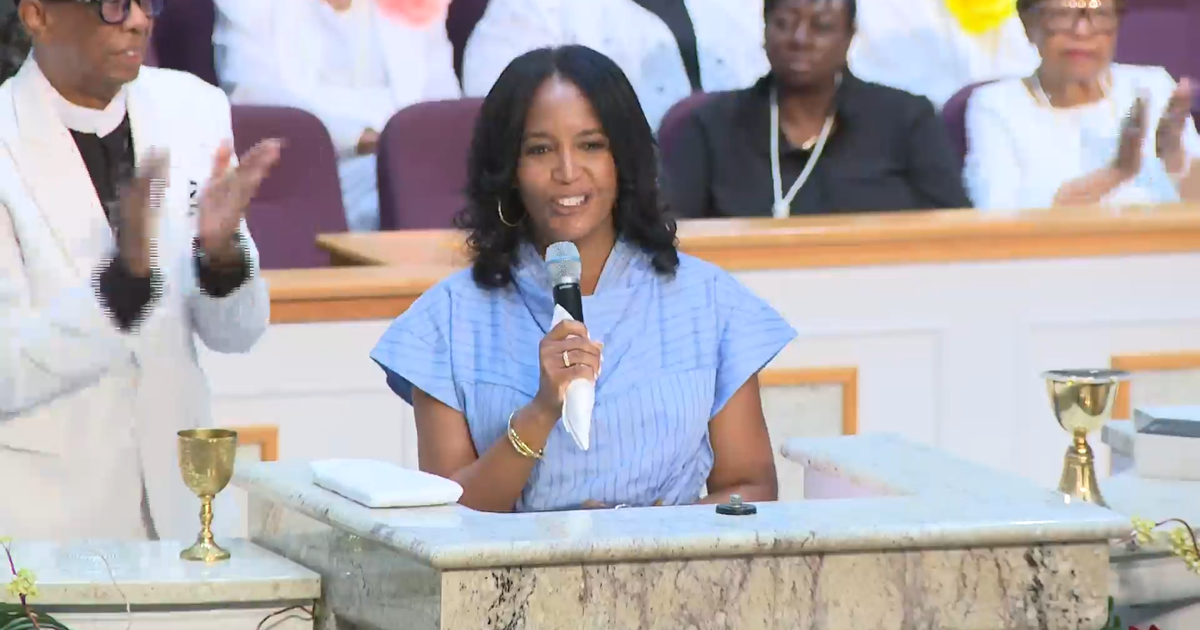
Atlanta City Council President Marci Collier Overstreet said:
"All of Atlanta mourns the loss of the Rev. Jesse Jackson, a civil rights pioneer whose voice echoed far beyond the streets of our city and across the nation."
State senators, Fulton County commissioners and South Fulton Mayor Carmalitha Gumbs highlighted Jackson's role in expanding political access and reshaping American presidential politics in 1984 and 1988.
Many also repeated the phrase that defined his public ministry: "Keep hope alive."
From Selma to the ballot box
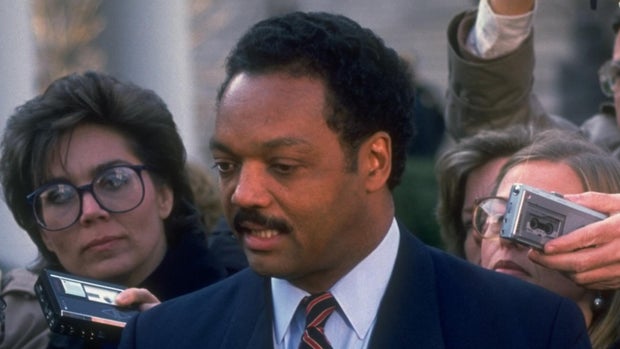
Jackson rose to prominence in the 1960s as a young activist aligned with Dr. King, later founding the Rainbow PUSH Coalition and building multiracial coalitions that transformed Democratic politics.
His presidential bids were historic, not only for their policy agenda, but for who they empowered.
Leaders across Georgia credited those campaigns with inspiring a new generation of Black elected officials now serving under the Gold Dome and in city halls statewide.
As tributes continue across Atlanta and beyond, many leaders say Jackson's passing marks the end of an era, but not the end of the movement.
As Andrew Young put it: "We're still on the rise."