Judge denies request for new trial for man convicted of killing Georgia nursing student Laken Riley
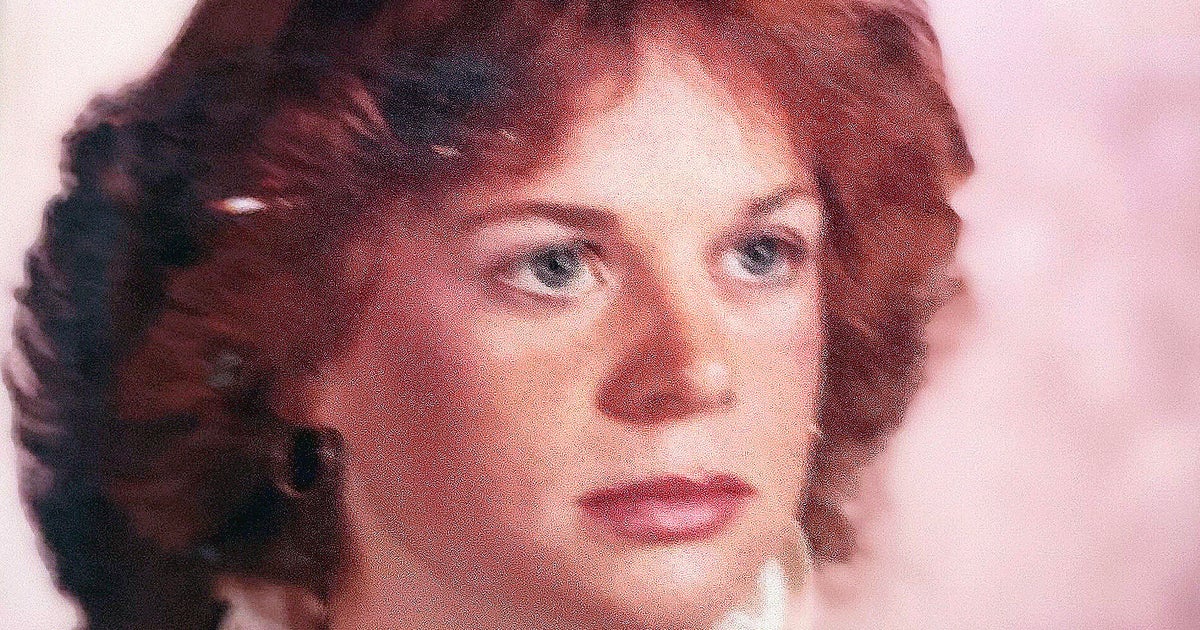
A judge has rejected a request for a new trial for a Venezuelan man convicted of killing Georgia nursing student Laken Riley, a case that became a flashpoint in the national debate over immigration.
Jose Ibarra was found guilty on all counts in Riley's death and was sentenced to life in prison without the possibility of parole in 2024.
Ibarra's lawyers had argued his constitutional rights were violated when the judge declined two defense motions before trial. One was a request to delay the trial to give an expert witness time to review and analyze DNA data. The other would have excluded some cellphone evidence.
Clarke County Superior Court Judge H. Patrick Haggard, who presided over the trial, wrote in an order Monday that the evidence of Ibarra's guilt presented by the state was "overwhelming and powerful."
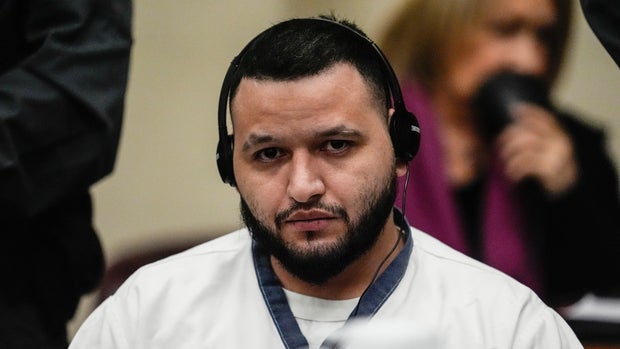
Ibarra's attorney's have also argued that hey believe Ibarra suffers from "congenital deficiency" that could make him "incapable of preparing a defense and standing trial." Prosecutors have countered that there were "no challenges or concerns" about Ibarra's competency before the trial began.
Laken Riley's killing becomes national discussion
Prosecutors said Ibarra encountered Riley while she was running on the University of Georgia campus in Athens on Feb. 22, 2024, and killed her during a struggle. Riley was a student at Augusta University College of Nursing, which also has a campus in Athens.
During the trial, attorneys argued that Ibarra killed Riley because she refuse to let him rape her. Investigators said that he choked the student, hit her over the head with a rock to the point that her skull became disfigured, and pulled up her clothing.
Ibarra's trial attorneys had asked the judge to delay the trial after a DNA expert said she would need six weeks to review evidence analyzed using TrueAllele Casework, software used to interpret DNA and assist the defense. The judge wrote in his order Monday that Ibarra's lawyers "effectively challenged the TrueAllele DNA evidence at trial" and concluded that Ibarra was not harmed by the denial of a delay.
The DNA expert testified during a January hearing on the motion for a new trial, and the judge wrote that he did not find her opinion to be persuasive or credible and that it would not have changed the trial outcome.
Ibarra's attorneys also had challenged the seizure of two cellphones from his apartment, saying they were not listed on the search warrant, and sought to exclude evidence pulled from them. Haggard wrote that there were "exigent circumstances authorizing the seizure of the cellphones" and that the phones were not searched until after warrants were issued authorizing the search of the contents of the phones.
Riley's killing became part of the national debate about immigration during the 2024 presidential campaign. Ibarra had entered the U.S. illegally in 2022 and was allowed to stay while he pursued his immigration case, federal immigration authorities said after his arrest.
When President Trump took office for his second term, the first bill he signed was named after the nursing student. Under Laken Riley Act, federal officials are required to detain any migrant arrested or charged with crimes like shoplifting or assaulting a police officer or crimes that injure or kill someone.
The Associated Press contributed to this report.