Georgia Tech helping shape future of space as NASA prepares for moon mission
As NASA prepares for its next mission to the moon, one Atlanta university is drawing attention for its growing role in space exploration.
The Georgia Institute of Technology says it has produced 14 astronauts, tied for the second most among public universities in the country, with alumni flying on dozens of missions and logging hundreds of millions of miles in space.
But leaders at the university say its impact goes far beyond the astronauts themselves.
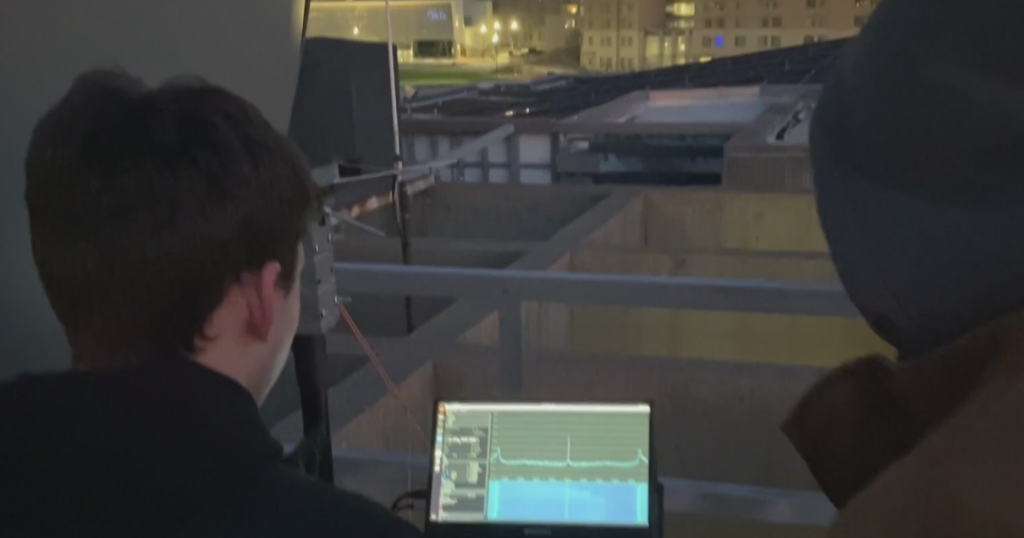
Inside labs on campus, researchers and students are working on projects connected to the International Space Station and future missions to the moon, including technology already being tested in orbit. "Students actually build spacecraft hardware, operate it when it's in orbit around the moon," said Jud Ready, executive director of Georgia Tech's Space Research Institute.
Ready says that hands-on experience allows students to work with the same types of systems used in real missions, helping prepare the next generation of engineers and scientists.
That work builds on decades of contributions to the U.S. space program.
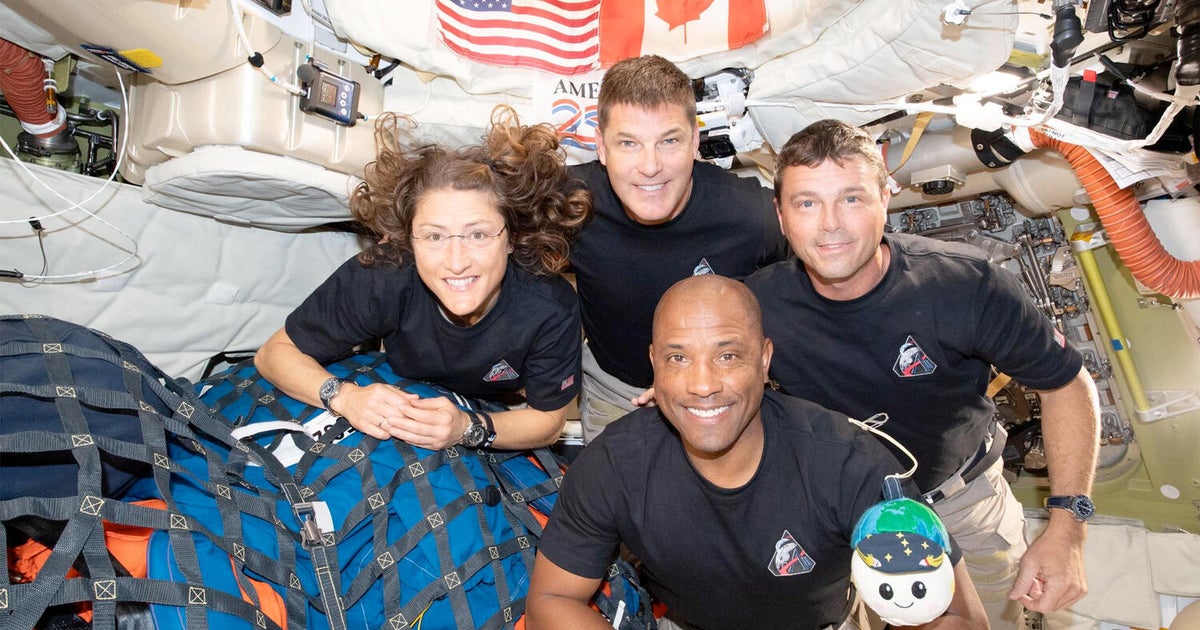
Former NASA astronaut Shane Kimbrough, a Georgia Tech graduate, said the university's reach extends across nearly every part of space operations.
"It's not just the astronauts, the engineering behind it, the scientists," Kimbrough said. "A lot of those came from Georgia Tech that are part of the space program."
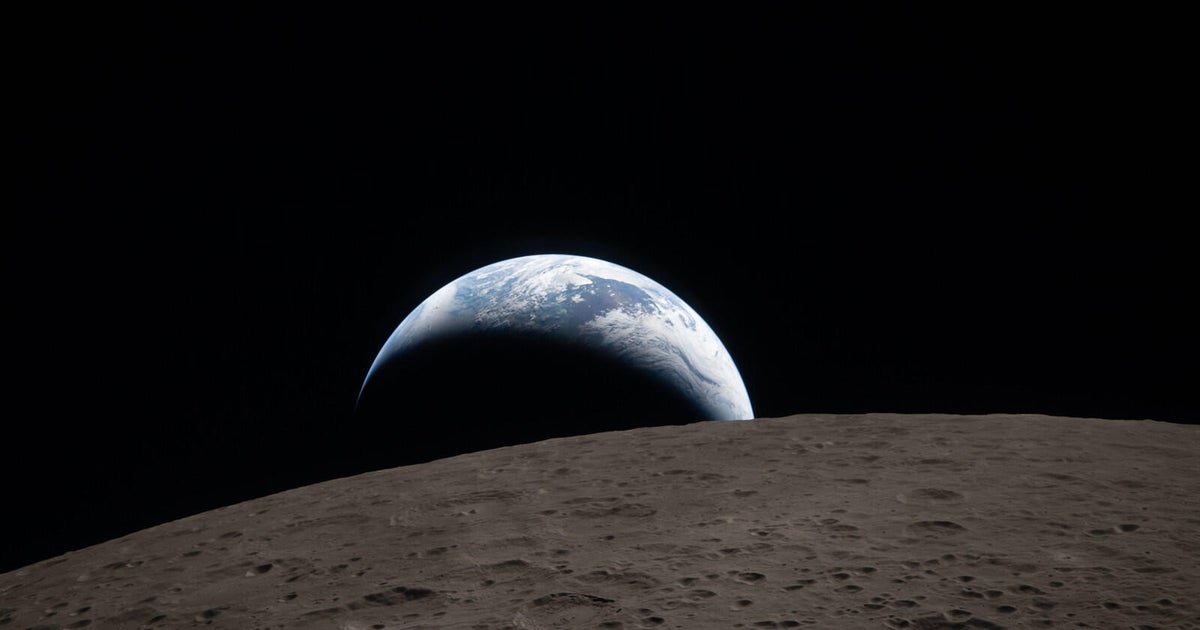
As NASA moves forward with its Artemis program aimed at returning humans to the moon and eventually traveling farther into space, Kimbrough says the moment represents a major step forward.
The work being done at Georgia Tech, Ready added, is part of that future.
Research tied to the International Space Station is already underway, and additional technology developed in Georgia is expected to head to the moon later this year.
University leaders say that momentum could help inspire a new generation, one that doesn't just watch space exploration, but helps lead it.