Georgia State announces 5-year athletics plan focused on facilities, NIL opportunities
Georgia State University has unveiled a major plan to upgrade its athletic facilities and expand support for student-athletes, including new opportunities tied to name, image, and likeness deals.
In a newly announced five-year vision, Georgia State University Athletics says it will invest heavily in new and improved facilities in the Summerhill neighborhood while increasing financial support for athletes to stay competitive in a rapidly changing college sports landscape.
At the center of the plan is the continued buildout of an "athletics neighborhood" in Summerhill, just south of downtown. The area already includes Center Parc Credit Union Stadium, the GSU Convocation Center, the 188 MLK Soccer Complex and the Bobby Jones Golf Course Instruction Facility. A new baseball stadium is currently under construction and expected to open in the fall of 2026.
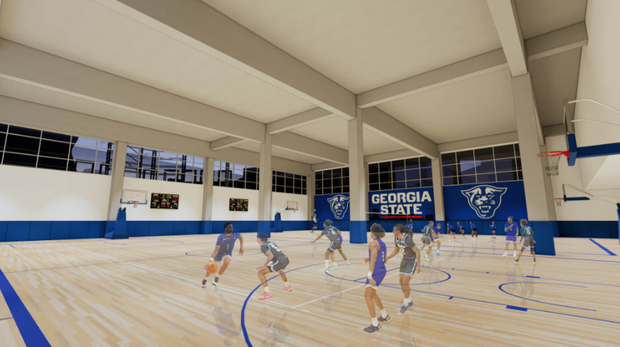
Additional projects under consideration include a covered football practice field, new basketball and volleyball practice facilities, a softball stadium, tennis courts and a beach volleyball venue, along with expanded premium seating and fan spaces. School leaders say the goal is to create a central hub that connects athletics more closely with the campus and the surrounding community.
The plan also puts a strong focus on helping student-athletes benefit from NIL opportunities. Georgia State aims to exceed $3 million in revenue sharing for athletes and plans to hire a general manager to help grow partnerships and new revenue streams tied to NIL.
"We are committed to the success and development of our student-athletes," Athletics Director Charlie Cobb said in a statement. "We aim to build on our successes and create new momentum."
University President M. Brian Blake said the initiative comes at a key time as the school ramps up fundraising efforts.
"The timing is perfect … to invest in our student-athletes, our facilities and our community," Blake said.
The university also plans to boost fan engagement and attendance, with a goal of increasing attendance by 50% over the next five years through improved game-day experiences and expanded programming.