Georgia 14th District runoff election: What voters need to know before heading to the polls
Voters across northwest Georgia are heading to the polls Tuesday to decide who will represent them in Congress in a closely watched runoff election for the 14th Congressional District seat.
The race will determine who succeeds Marjorie Taylor Greene, with Democrat Shawn Harris and Republican Clay Fuller facing off after neither candidate secured a majority in last month's crowded special election.
When polls open and close
Polling places are open from 7 a.m. to 7 p.m. on Election Day.
As long as you are in line by 7 p.m., you are still allowed to vote.
Who can vote
Any registered voter living in Georgia's 14th Congressional District can participate in the runoff.
You do not need to have voted in the March 10 election to cast a ballot in this runoff. Georgia does not require party registration, so voters can choose either candidate regardless of past participation.
What you need to bring
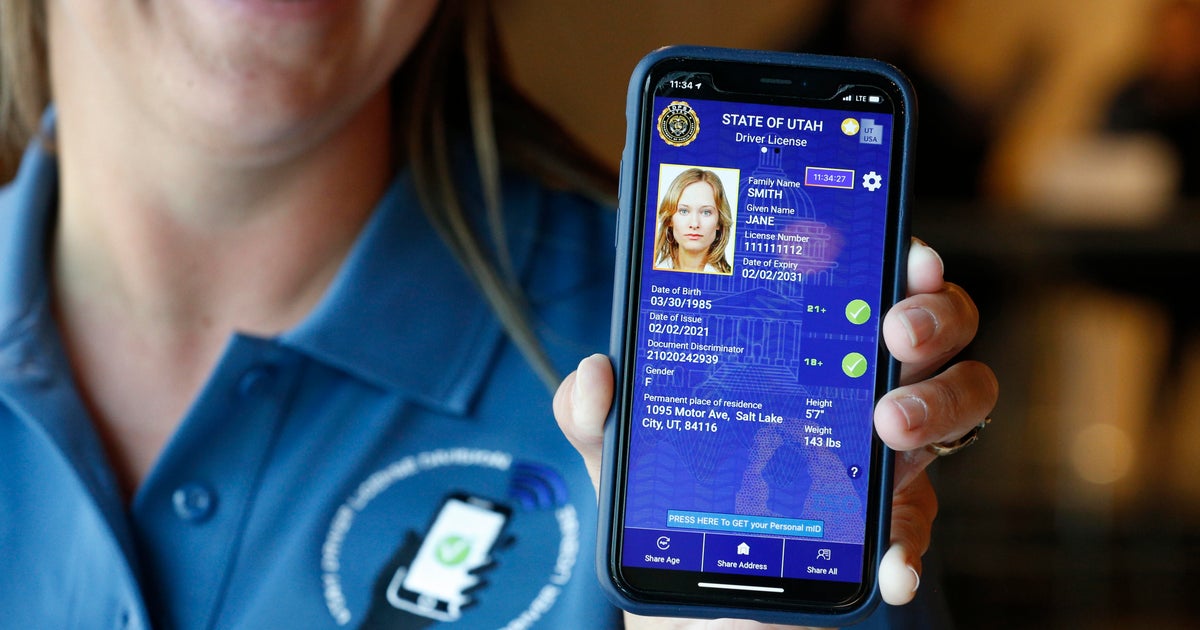
Voters must show a valid photo ID when voting in person.
Acceptable forms include:
- A Georgia driver's license
- A U.S. passport
- A free Georgia voter ID card (available through county offices)
Where the election is happening
The 14th Congressional District includes parts of several counties, including:
Catoosa, Chattooga, Cobb, Dade, DeKalb, Floyd, Gwinnett, Murray, Paulding, Polk, Richmond, Walker, and Whitfield counties.
Voters should check their assigned polling place through the state's My Voter Page before heading out.

What's on the ballot
Some voters may also see local races, including State Senate District 53 or State House District 94, depending on where they live.
What to expect with results
Vote counting typically begins shortly after polls close. In the previous election, initial results were reported within minutes, with most votes counted by late evening.
Early voting and absentee ballots are often reported first, which can make early results appear to favor one candidate before Election Day votes are fully counted.
Why this election matters
This runoff follows a crowded March 10 special election that included 17 candidates. Harris led the initial vote, but no candidate reached the required 50%, triggering Tuesday's runoff.
With more than 500,000 registered voters in the district, turnout could play a key role in deciding the winner. The person elected will serve until the next regularly scheduled election in 2026.