Federal judge dismisses $1 billion lawsuit by parents of Georgia teen found dead in gym mat
A federal judge has dismissed a lawsuit filed by the parents of a Georgia teen found dead inside a gym mat at his high school against the Georgia Bureau of Investigation and other law enforcement agencies.
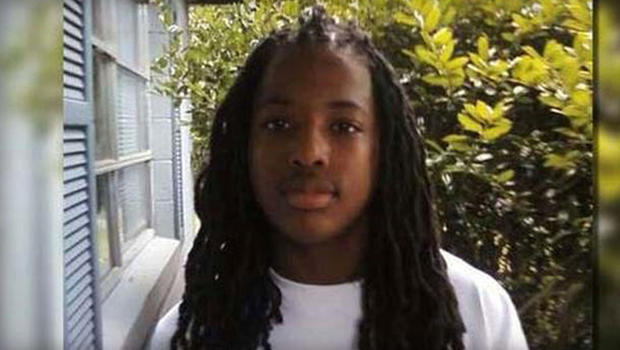
On Jan. 11, 2013, 17-year-old Kendrick Johnson's classmates found him upside down inside a rolled-up wrestling mat in the Lowndes High School's gymnasium. Investigators determined that Johnson died in a freak accident, stuck, unable to breathe, while trying to retrieve a shoe that fell inside the upright mat.
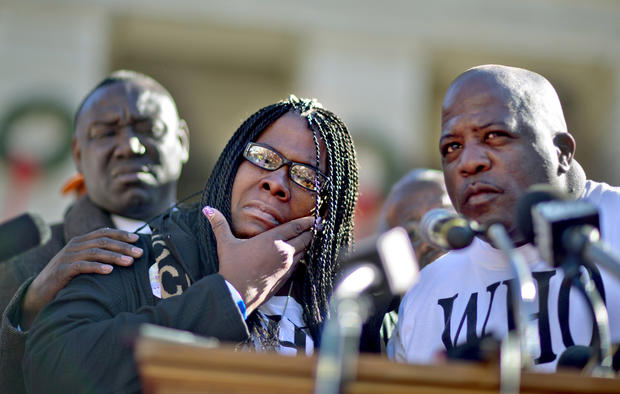
The strange circumstances of Johnson's death attracted attention far beyond his hometown near the Georgia-Florida state line. Johnson's parents have long insisted that someone killed him, and that school officials, the GBI, and other law enforcement officials covered up the crime. They pointed to an independent autopsy that reported that their son's death was "unexplained non-accidental blunt force trauma."
The case was reopened by Lowndes County Sheriff Ashley Paulk, who wasn't in office during the first investigation into Johnson's death, in 2021. Months later, Paulk released a report that said all of the physical evidence, interviews, and grand jury testimony "does not produce anything to prove any criminal act by anyone that would have resulted in the death of Kendrick Johnson."
Paulk also dismissed any allegations that the teen's death was covered up.
"Any person who looks at this case objectively would know that it would be impossible to conceal any evidence due to the involvement of so many agencies and investigators," he wrote.
After that investigation, Johnson's family filed a $1 billion lawsuit against the sheriff's office, GBI, and other agencies.
Concerns over evidence don't stop lawsuit's dismissal
In her ruling, U.S. District Judge Sarah Geraghty noted what appeared to be inconsistencies in the initial investigation, including details about the difference between the teen's shoulder width and what a deputy claimed was the size of the opening in the mat, which was about five inches smaller.
"The coroner later reported that 'the investigative climate was very poor to worse when I arrived on scene,'" Geraghty wrote. "He reported that law enforcement did not cooperate with him, KJ's body had been moved, and the sealed body bag had been opened."
The judge also pointed to surveillance video obtained by CNN in 2013, which an analyst posited had been altered, making it so that "key footage was missing." However, she said that the surveillance video used in the CNN article was outside the two-year statute of limitations.
Despite her concerns over some of the family's claims, Geraghty ruled that the GBI could not be part of the lawsuit because it was immune under the Eleventh Amendment. Similarly, the judge found that Lowndes County was not properly served within 90 days of the complaint being filed.
In her ruling, Geraghty also found that the lawsuit's claims against two news companies covering the case dealing with defamation were insufficient, dismissing those as well.
"The Court again expresses its concern about the inconsistencies between the various official reports on KJ's death and Plaintiffs' allegations," she wrote, but said that she concluded that the family's claims could not go forward.
The family had attempted to remove Geraghty, claiming that she was biased against them. That motion was also denied.
The Associated Press contributed to this report.