Betting on Trump's influence? How GA-14 runoff became a testing ground as prediction markets reshape 2026 elections
Political bettors turned their attention to Georgia's 14th Congressional District, wagering not just on the election's outcome, but on the enduring influence of Donald Trump within the Republican Party - a real-time example of how political betting markets are beginning to shape the way Americans consume elections.
The nationally watched runoff drew attention not only because of Trump's endorsement power, but also because of how rapidly prediction markets like Kalshi and Polymarket are becoming embedded in political discourse.
What was once considered a niche corner of political forecasting is now attracting millions of dollars in wagers, professional investors, casual users, and growing scrutiny from regulators.
"This is an information source that the media and individual citizens will use," said Zachary Peskowitz, the Masse-Martin NEH professor of political science at Emory University. "Prediction markets and their increased prominence are likely to affect American politics in a variety of ways."
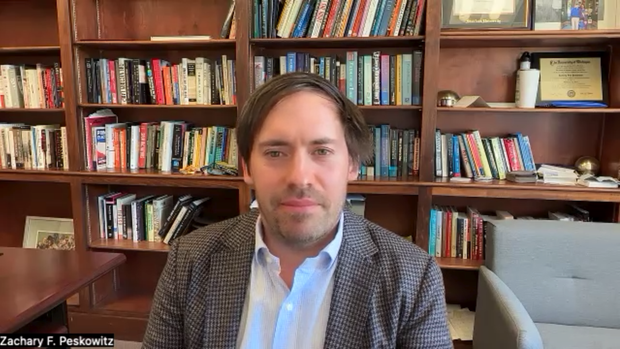
Political prediction markets allow users to buy contracts tied to election outcomes and other political events. Their supporters argue the platforms aggregate massive amounts of information more effectively than traditional polling alone.
Peskowitz said prediction markets can often provide clearer probability-based interpretations than standard public opinion surveys.
"So, for example, you can interpret a prediction market more or less as saying there's an 80% chance that a given candidate wins the election," he said.
But as these markets grow, so do concerns about whether they simply reflect public opinion — or actively influence it.
Peskowitz warned voters could become discouraged from participating if betting odds consistently show their preferred candidate trailing badly.
"If you think the prediction market is showing your candidate only has a very low probability of winning, then you might be demotivated from turning out to vote," he said.
Georgia's political landscape may make the issue even more complicated.
The state has emerged as one of the country's most closely watched battlegrounds in recent election cycles, with razor-thin margins and sharply divided urban, suburban, and rural voting blocs. Peskowitz said prediction markets may struggle to fully capture the complexity of Georgia's electorate — even as the state receives outsized national attention.
Meanwhile, the rise of political betting is also triggering legal and ethical debates nationwide.
Earlier this year, prediction market company Kalshi temporarily suspended politicians, campaign staff, and certain government employees from betting on American elections after growing scrutiny over conflicts of interest and election integrity concerns.
At the same time, crypto-based platform Polymarket has faced allegations tied to insider trading and suspiciously timed wagers involving President Trump's legal and political future. The platform reportedly has seen more than 413 million bets placed, with over $100 million currently tied up in political outcomes.
The controversies are fueling broader concerns about whether political betting could create opportunities for manipulation, especially if individuals with insider knowledge begin profiting from sensitive political or geopolitical information.
"There is a possibility that there can be corruption or that this could be used for corrupt purposes," said Andra Gillespie.
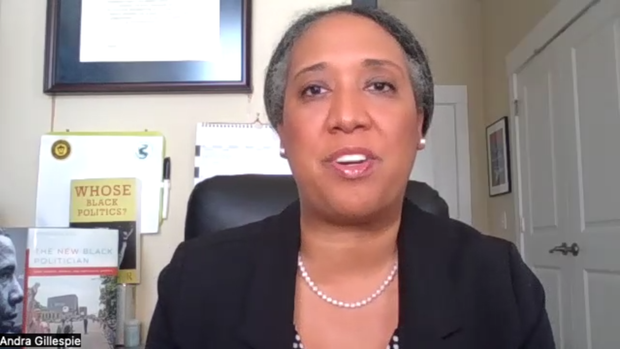
Gillespie said betting markets have become increasingly attractive in part because many voters may be more honest when predicting what they think will happen — rather than revealing who they personally support.
Still, she cautioned that prediction markets cannot fully replace polling because they often fail to explain why voters behave the way they do.
"As a social scientist, I'm not just interested in who are you gonna vote for, but I'm also interested in why you're voting in a particular election," Gillespie said.
The regulatory landscape remains unsettled.
Georgia currently does not allow legalized sports gambling, though prediction markets continue operating in murky legal territory nationally.
Peskowitz said ongoing disputes involving states, betting platforms, and federal regulators like the Commodity Futures Trading Commission could determine how political wagering evolves in the coming years.
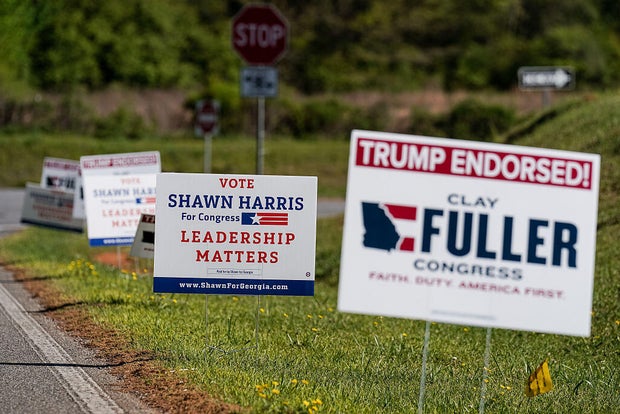
For now, experts say Georgia's GA-14 runoff may offer one of the clearest early indicators of both Trump's continuing political strength and the growing role of betting markets in modern campaigns.
Whether those markets ultimately strengthen democracy or distort it may depend on how voters, campaigns, and regulators respond.
"I think it's too early for us to tell," Gillespie said. "Political junkies might be paying attention to it, but I'm not sure that most people are paying attention to this in their everyday lives."


