Atlanta leaders call FIFA World Cup public safety operations a success
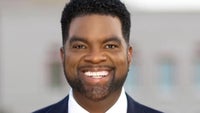
Atlanta leaders, Wednesday, looked back on the FIFA World Cup, calling it a success for public safety, transportation and the local economy.
City officials said crime in Atlanta's entertainment districts dropped 18 percent during the tournament compared with the same period last year. They said the decline came even as hundreds of thousands of fans visited metro Atlanta.
Officials also highlighted strong MARTA ridership and the economic activity generated by visitors.
Dr. Thaddeus Johnson is a Georgia State University criminal justice professor and former Memphis police captain. Johnson said the tournament demonstrated what can happen when agencies work together.
Johnson said more than 200 local, state and federal agencies coordinated security efforts throughout the World Cup. He said the planning allowed officers to protect visitors without sacrificing public safety.
While city leaders also pointed to the tournament's economic impact, Emory University economist Dr. Raymond Hill said the biggest question will not be answered for years.
Hill said hotels, restaurants and bars likely benefited from the influx of visitors during the event. But he said economists are less interested in short-term spending than whether the World Cup changes Atlanta's economy over time.
Hill said researchers will be watching to see whether the tournament leads to more convention bookings, higher hotel occupancy, more business investment and additional tourism in the years ahead.
"If we saw a bump in the trend, then we'd say maybe something really had an effect here ... but we're not likely to see that," Hill said.
Hill said many major sporting events generate excitement and temporary spending, but lasting economic growth is much more difficult to prove.
Hill said Atlanta was in a stronger position than many previous host cities because it already had much of the infrastructure needed to host the World Cup. He said the city did not have to build new stadiums or spend billions of dollars on large construction projects like some host cities.
City leaders said the lessons learned during the World Cup will help Atlanta prepare for future marquee events, including the Super Bowl.


