Atlanta Beltline exceeds private investment goal, sustains over 91,000 jobs, analysis shows
New data from the Atlanta Beltline shows the popular walking and biking trail has generated an estimated $23 billion in economic impact in 2025 alone.
On Wednesday, the Beltline released a new analysis showing that its Planning Area has sustained more than 91,000 jobs and has surpassed the $10 billion private investment goal years before it had been projected at the project's start.
The analysis by Econsult Solutions, Inc. looked at the economic and development trends across the Beltline Planning Area, which is the half-mile surrounding the current Beltline as well as sections still under construction. It found that private developers have completed 318 projects with over 90 still in development.
"Since 2022, our Administration has remained committed to ensuring that all of Atlanta benefits from the growth and prosperity of the Beltline," Atlanta Mayor Andre Dickens said in a statement. "Now, with the right people in the right positions, there are policies in place to protect legacy residents and small businesses from being priced out of the communities they built, and strategic plans to use this 20-year-old work in progress to expand access and opportunity for the surrounding communities."
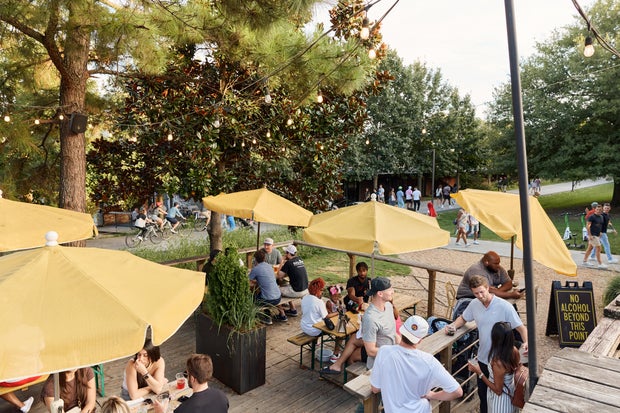
Officials say the analysis shows the section of the city has gained 26,000 residents from 2010 to 2023 - reversing a trend the city had seen in years before.
Data also showed that the Beltline sees 2.5 million visits a year, 60 percent of which are from Atlanta locals.
"When I started in economic development, nobody was talking about green infrastructure in the same breath as job creation. The Beltline is writing the book on what modern urban development looks like — expanding access to jobs, supporting small businesses, improving quality of life," Beltline President and CEO Clyde Higgs said. "That's why we call it the People's Project."
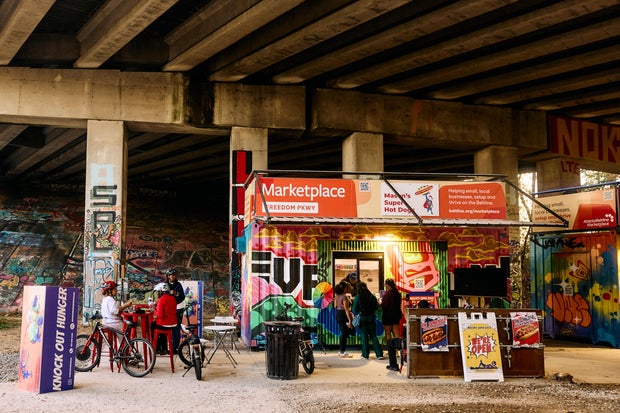
While the investment grows, Higgs said that they are focused on ensuring long-time residents around the trail benefit from its construction with an emphasis on affordable housing and support for small and minority-owned businesses.
As of May, 14.8 miles of the 22-mile loop have been completed, with the latest addition being Segments 4 and 5, connecting Glenwood Park, Grant Park, Ormewood Park, and Boulevard Heights.
The entire path is expected to be finished by 2030.


