Andrew Young looks back on Jesse Jackson's life, leadership, and deep ties to Atlanta
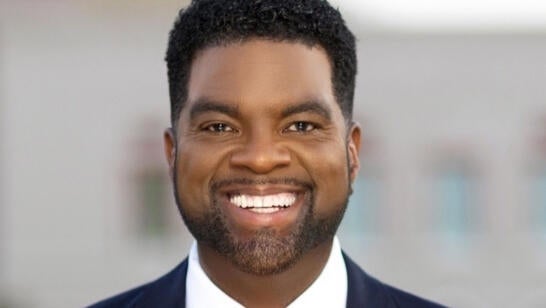
Former Atlanta mayor and former U.S. Ambassador to the United Nations Andrew Young reflected on the death of Reverend Jesse Jackson and the role Atlanta played in shaping his leadership and legacy.
The civil rights leader died peacefully on Tuesday surrounded by family at the age of 84.
Jackson stood alongside Dr. Martin Luther King, Jr. during the civil rights movement and later became a national political figure and two-time presidential candidate.
Young said Jackson was never just a headline figure. He was part of a tight circle of leaders bound by faith and shared purpose.
"We were in it together," Young said. "Jesse just happened to be maybe 15 years younger than Martin and 10 years younger than me … but it was just like brothers. We didn't have an authoritarian hierarchy. We just were all people called by God to serve his children."
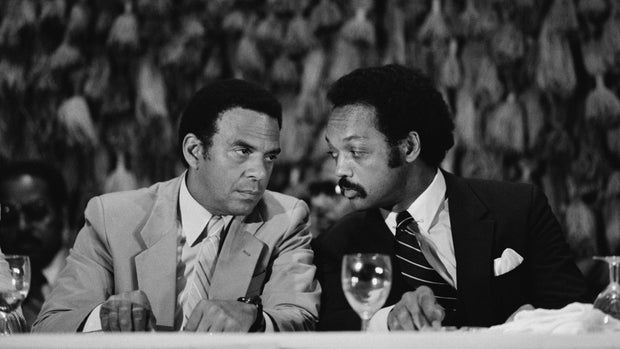
Young said he first met Jackson in 1965 after violence erupted on the Edmund Pettus Bridge in Selma. He remembers being exhausted from days of unrest when a young Jackson stepped forward.
"This great big good-looking kid comes up and says, 'You look exhausted…,' Young recalled. "He said, 'Look, you need to go get some sleep. I can man this barricade.' But that's the way Jesse Jackson was. He was always stepping up. If you needed a leader, he'd step into it, and he had a commitment."
He said Jackson returned to Atlanta many times over the decades and spoke at Ebenezer Baptist Church during Dr. King commemorations. Young said Jackson worked through the Rainbow PUSH Coalition and remained engaged in conversations around voting rights, economic justice, and public policy.
The former mayor said Jackson's visits to Atlanta were not always political, remembering a moment that showed Jackson's pastoral side.
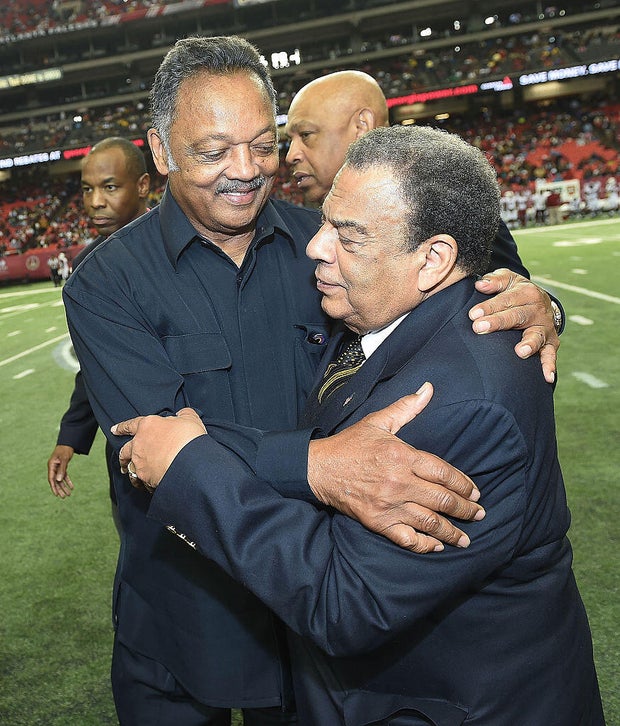
When Young's mother-in-law was dying, he said Jackson stopped to visit while traveling through the city.
"He was a pastor as well as a protester," Young said. "He had an incredible sensitivity to the people with whom he served."
Young also acknowledged that he and Jackson did not always agree, particularly when it came to national political strategy. Jackson ran for president twice in the 1980s. Young said they sometimes saw the path forward differently.
"I really wanted him to run for mayor of Chicago," Young said. "But he saw the presidential vision."
Despite those differences, He said Jackson made a lasting contribution to the U.S. and to the world.
As many of the leaders from the civil rights era are now gone, Young said the movement itself continues beyond one generation.
"I don't know that we're passing the torch," he said. "The torch of freedom is almost like the Olympic torch. Once you get it, you pass it on to somebody else, and it never stops moving."
Young said Atlanta helped shape Jesse Jackson, but he also believes Jackson helped shape Atlanta through its politics, churches, and sense of civic responsibility.
For Young, the loss is personal. But he said the mission that brought them together remains.
"We haven't heard the last of Jesse Jackson yet," Young said.