Emory doctors use AI transcription technology to combat burnout from documentation burden
When you go to the doctor you share a lot of information, but what if someone else was listening and taking notes so your doctor didn't have to?
A study based at Emory Healthcare in Atlanta and Mass General Brigham in Boston found that the use of generative artificial intelligence reduces burnout and increases well-being in clinicians.
One of the researchers behind the study says the technology has been life-changing for some Emory doctors.
Ambient Listening Technology helping doctors
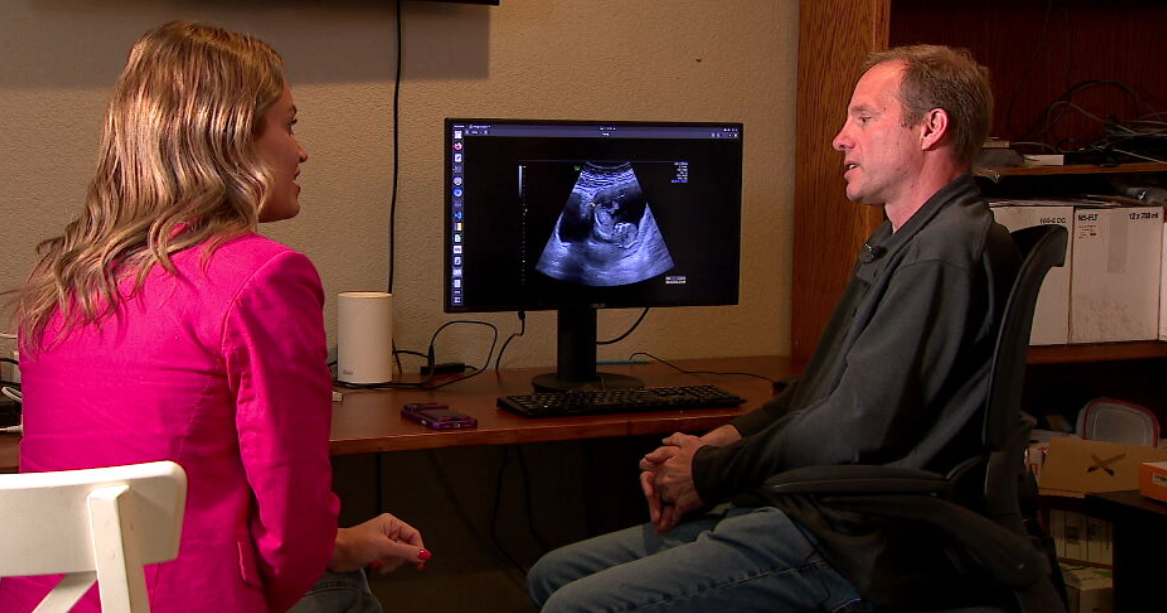
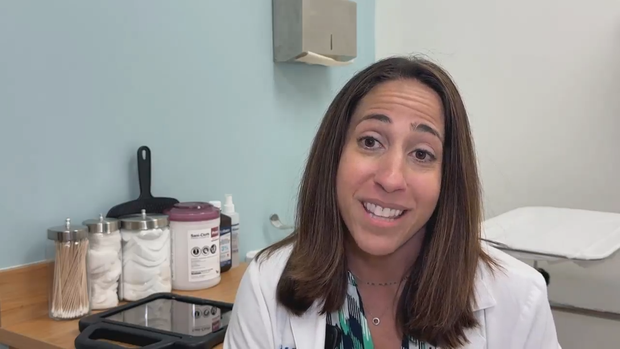
"Hello, hello!" said Emory Healthcare primary care doctor Reema Dbouk, while simulating a patient visit with an Emory colleague. "Before we get started, I have a tool here that's gonna record our conversation and help me write my notes so I can pay more attention to you and less on the computer. Is that OK with you?"
Dbouk, who is also an assistant professor of medicine at Emory University School of Medicine, demonstrated how the AI technology has become part of her appointments. On Dbouk's iPad, ambient documentation technology, which Emory defines as "generative artificial intelligence for clinical note-taking during patient-clinician interactions," listened in and drafted a clinical note for her to edit and finalize.
"So it summarized what we talked about during the visit and actually summarized our assessment and plan," Dbouk said. She added that doctors can verbalize physical examinations or add that section manually when reviewing the clinical note.
The AI assistant hasn't always been part of the clinical experience.
"Almost 50% of healthcare providers experience burnout, and that's largely driven by clerical work, documentation burden," Dbouk said. "Often, hours that we spend at night on the computer to sort of finish up all of that work."
Two years ago, Dbouk conducted a pilot study of the technology with more than 500 Emory clinicians. Participants took surveys before and after 60 days of using the technology. The results showed a 30% increase in clinician well-being.
"Many reported that they were able to actually look at the patients and have more engagement during their visits, as opposed to feverishly typing on the computer," Dbouk said. "Many noted that they didn't have to spend hours at home at night finishing up all of their documentation. Many who have said that this has been really life-changing technology."
The pilot study was so successful that the technology is now in use across Emory, thanks to a contract with AI vendor Abridge.
"Over the last two years, we have provided them with enough feedback for them to continually improve the technology. And so we have a much better tool today than we did two years ago," Dbouk said.
Addressing the concerns over AI during checkups
Dbouk acknowledged that some patients are nervous over introducing something as new as AI into their healthcare experience, but said that she and the other doctors who use the tool are careful in how their incorporate the technology.
"We ensure that there's always clinician oversight into everything that we use that involves AI," she said.
Emory doctors only use the technology with patient consent, but Dbouk says more and more healthcare systems are implementing technology like this.
"We feel like we can step away from the computer and actually look at the patients, make more eye contact, and really engage with them more," she said.
Dbouk is looking at more ways AI can be used in healthcare so doctors like her can be more present at work and at home.
"Even my children would say that I'm not stuck to the computer as much in the evenings and on weekends," she said.